Coping with Less Daylight This Autumn: Practical Steps Backed by Evidence
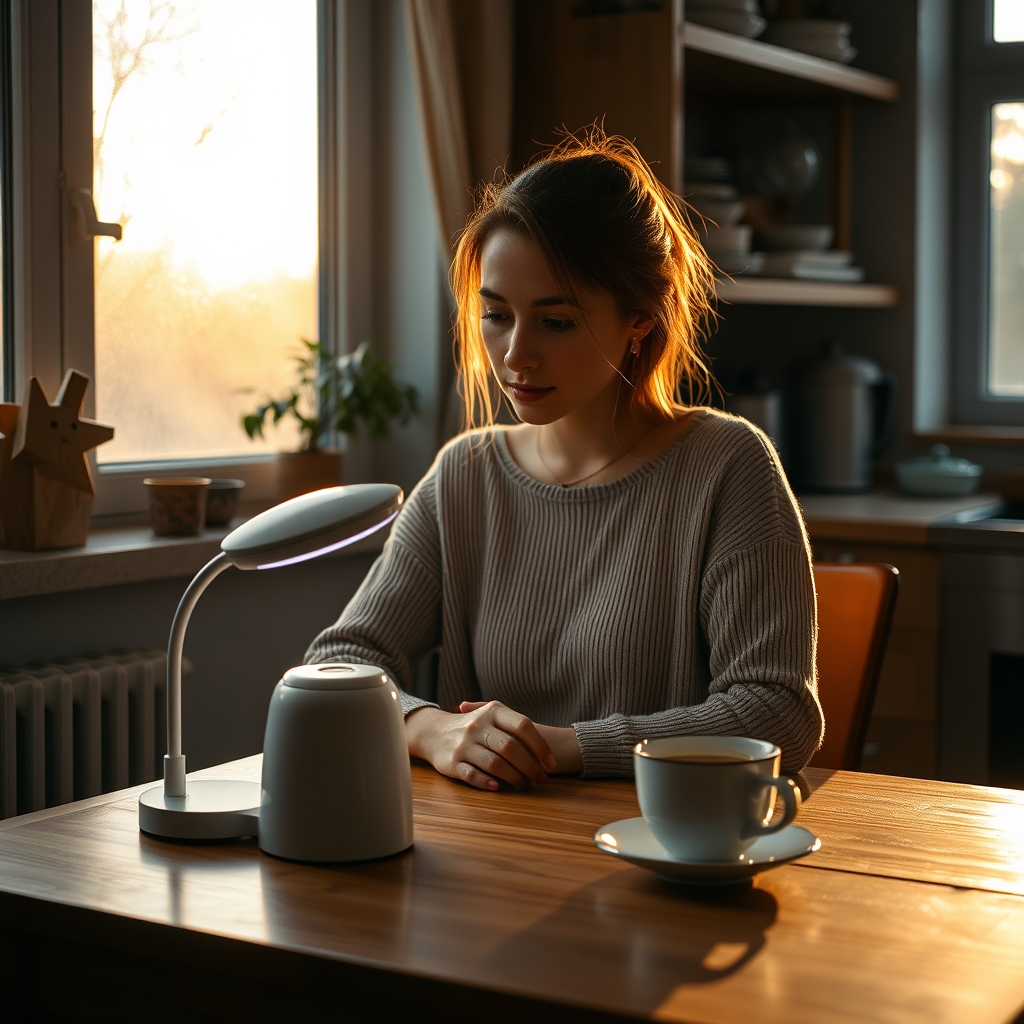
Learn evidence‑based ways to manage shorter days—sleep routines, light exposure, movement, vitamin D and what to watch out for this autumn.
Shorter days, bigger impact
Autumn brings earlier sunsets and longer nights, which can feel like a subtle shift in mood, energy and sleep. The evidence suggests that the change in daylight influences the body’s internal clock, or circadian rhythm, and for some people this translates into low mood or fatigue. Understanding why the shift matters helps you choose actions that are more than just "feel‑good" tips.
Why daylight matters for your internal clock
The circadian rhythm is a 24‑hour cycle driven primarily by light signals reaching the retina. Light suppresses melatonin – the hormone that makes us sleepy – and tells the brain when it is day. When daylight dwindles, melatonin can linger longer, pushing the sleep‑wake window later. In practice this usually means you feel sleepier in the evening and groggier in the morning, even if you keep the same bedtime.
Research on shift‑workers and people living at high latitudes shows that reduced morning light can delay the rhythm, leading to poorer sleep quality and, in some cases, seasonal affective disorder (SAD). SAD is a recognised form of depression with a seasonal pattern; it typically starts in autumn and eases in spring. While most people experience only mild changes, the risk of clinically significant SAD rises when daylight falls below about 2,000 lux in the morning.
Practical light strategies
| Strategy | Main benefit | Typical use | Approx. cost (UK) | Evidence strength |
|---|---|---|---|---|
| Open curtains & sit by a bright window soon after waking | Increases natural morning light exposure | 10–30 minutes each morning | Free (window) | Moderate |
| Morning brisk walk (10–20 min) | Combines daylight with physical activity | Anywhere with daylight, even cloudy | Free (outside) | Strong |
| Light‑therapy box (10 000 lux) | Mimics bright outdoor light, useful for SAD | 20–30 min each morning, seated 30‑60 cm from lamp | £80‑£150 | Strong for SAD, moderate for general mood |
| Dawn‑simulation lamp | Gradual light increase to ease waking | Overnight, set to turn on 30 min before alarm | £30‑£70 | Limited |
The psychiatrist in the source recommends treating natural light as a daily cue rather than a cure. Opening curtains is the cheapest first step, but the table shows that a light‑therapy box provides a controlled, high‑intensity signal when weather or schedule limits outdoor exposure. The evidence for light boxes is strongest for diagnosed SAD; for milder mood shifts the benefit is modest but still measurable.
Movement and mood in the darker months
Physical activity stimulates the release of endorphins and improves sleep architecture, both of which counteract the sleep‑disrupting effect of reduced daylight. A short, brisk walk during daylight delivers two hits: a light cue to the retina and a cardiovascular boost. The evidence suggests that even 10‑minute bouts of moderate activity can raise daytime alertness and lower evening cortisol (the stress hormone).
In practice this usually means planning a walk at the time of day when you have the most natural light – typically between 09:00 and 12:00 in autumn. If weather makes outdoor walking impractical, standing by a bright window while doing indoor chores can provide a similar light exposure, though the intensity will be lower.
Vitamin D, diet and supplementation
When the sun’s UV‑B rays are weak, skin synthesis of vitamin D falls dramatically. The NHS advises adults in the UK to consider a daily supplement of 10 µg (400 IU) of vitamin D from October to March. Vitamin D supports bone health and immune function, and low levels have been linked to mood disturbances, although causality is not firmly established.
Foods such as oily fish (e.g., salmon, mackerel), egg yolks and fortified dairy provide additional vitamin D. The source notes that supplements are not a substitute for daylight, and the evidence suggests that while correcting a deficiency may improve overall wellbeing, it does not reset the circadian clock.
Potential pitfalls and unanswered questions
The advice is solid, but a few practical gaps remain:
- Individual variability – The source does not quantify how many people will benefit noticeably from a light‑therapy box versus those who will feel fine with natural light alone. Screening tools for SAD exist, but they are not mentioned.
- Eye health and medication interactions – Bright light can aggravate certain eye conditions or interact with photosensitising drugs, yet the article only advises a doctor check without outlining which medications are relevant.
- Cost‑benefit for light boxes – While the table lists price ranges, there is no discussion of long‑term adherence. Some users find the daily routine burdensome, leading to discontinuation.
- Behavioural drift – Maintaining a consistent sleep‑wake time is harder when social commitments change (e.g., daylight‑saving time, holiday schedules). The article does not propose concrete strategies such as alarm reminders or bedtime rituals to protect against drift.
- Vitamin D testing – NHS guidance recommends supplementation without routine blood testing for most adults, but for people with malabsorption disorders the optimal dose may differ. This nuance is omitted.
Being aware of these gaps helps you tailor the recommendations to your own circumstances and know when to seek professional advice.
A simple plan for the week ahead
- Morning light – As soon as you get up, pull the curtains and sit by a window for at least 10 minutes. If it’s still dark outside, step onto the balcony or porch for a brief breath of fresh air.
- Schedule a walk – Put a 15‑minute walk on your calendar between 09:00 and 12:00 on three separate days this week. Wear comfortable shoes; the goal is exposure, not intensity.
- Vitamin D check – If you haven’t already, start a daily 10 µg vitamin D supplement. Pair it with a portion of oily fish or fortified milk at least twice this week.
- Sleep consistency – Set an alarm for the same wake‑up time each day, even on weekends. If you tend to hit snooze, place the alarm across the room to force you out of bed.
- Trial a light box – If you notice persistent low mood after trying the steps above, consider borrowing a light‑therapy lamp from a friend or local library for a 20‑minute trial. Note any changes in mood or energy.
By linking light, movement, nutrition and sleep into a single routine, you give your circadian system the cues it needs to stay stable through the shorter days.