

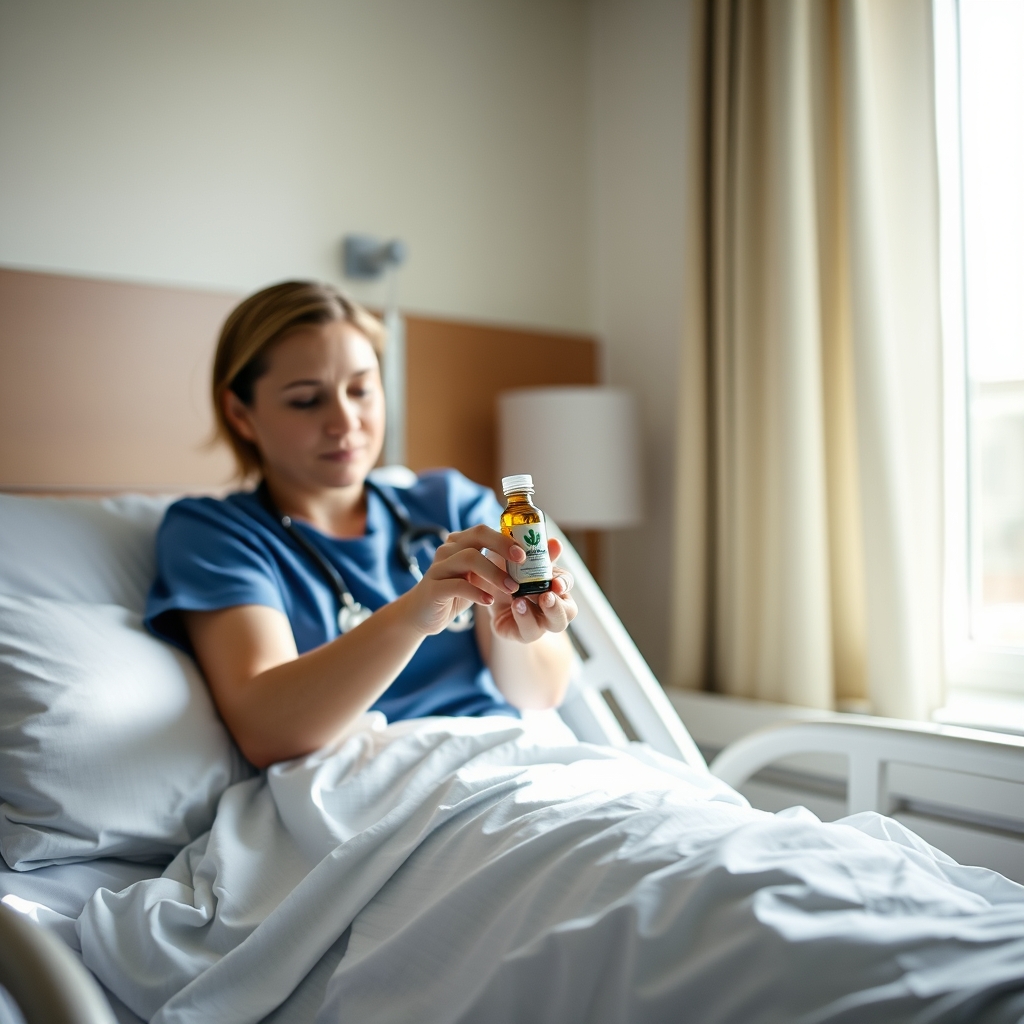

Keeping Your Eyes Safe During Halloween and Bonfire Night
Learn how to protect your eyes from novelty lenses and fireworks this autumn with practical tips and evidence‑based advice.
Read the storyStraight talk on food, sleep, movement and habits — what the evidence supports, what's oversold, and what simply doesn't work.
For adults seeking evidence‑based everyday health guidance
Learn how to protect your eyes from novelty lenses and fireworks this autumn with practical tips and evidence‑based advice.
Read the story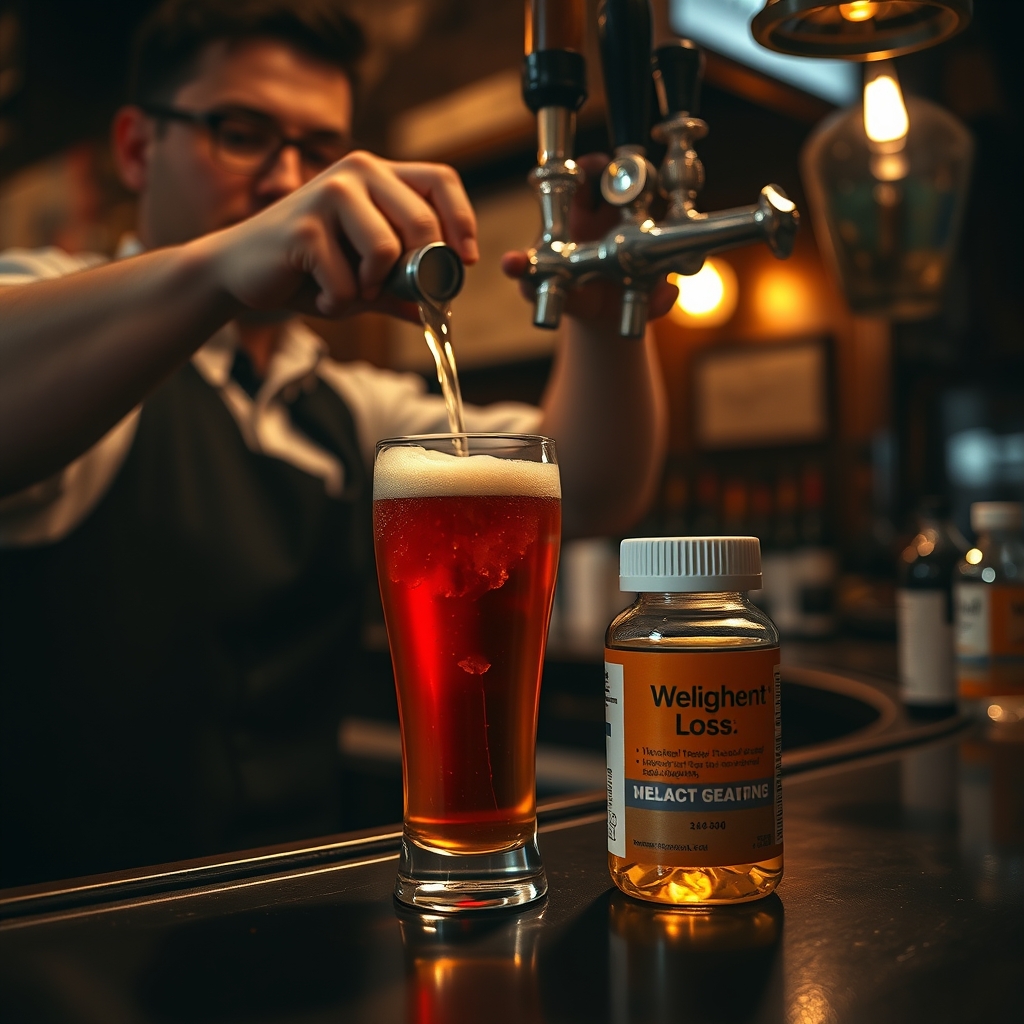
Heineken warns that GLP‑1 weight‑loss drugs may shrink beer sales in UK pubs. We unpack the science, the market impact and what pubs can do this week.
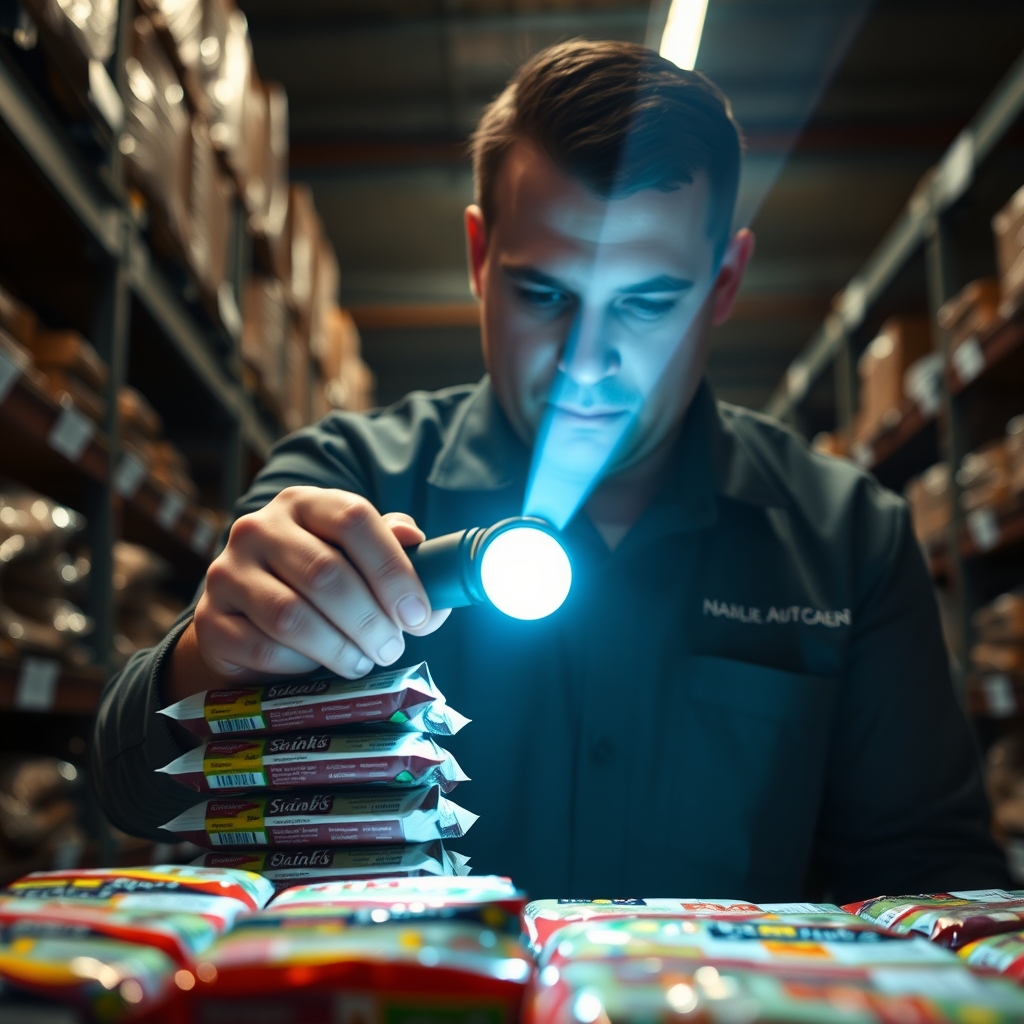
Recent Food Standards Agency raids expose illegal meat, frozen foods and counterfeit wine, highlighting how food crime threatens health and trust.

Losing just 5% of body weight in your 40s‑50s can bring heart health back to the level of lifelong healthy weight, UK research shows.
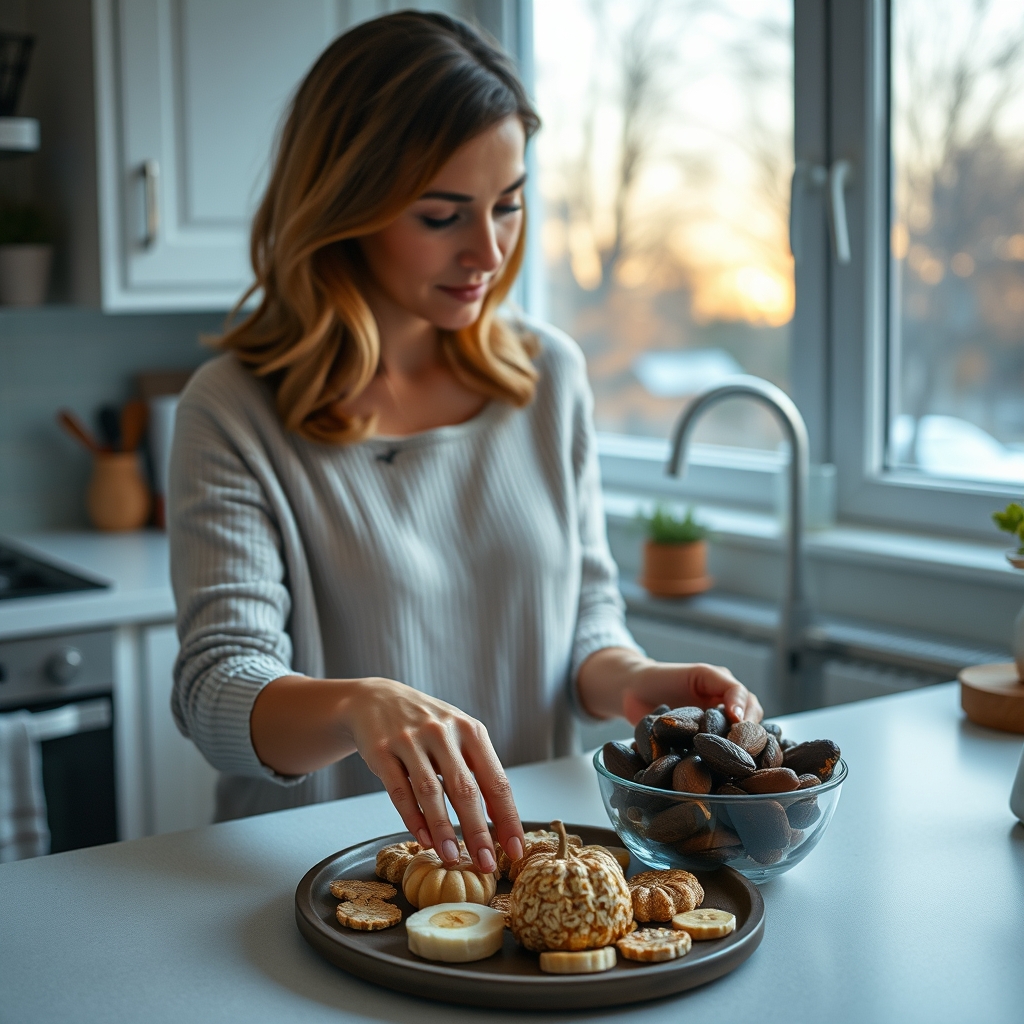
Learn practical, nutrient‑rich Halloween recipes that replace sugary candy, with tips to keep kids happy and families healthy.
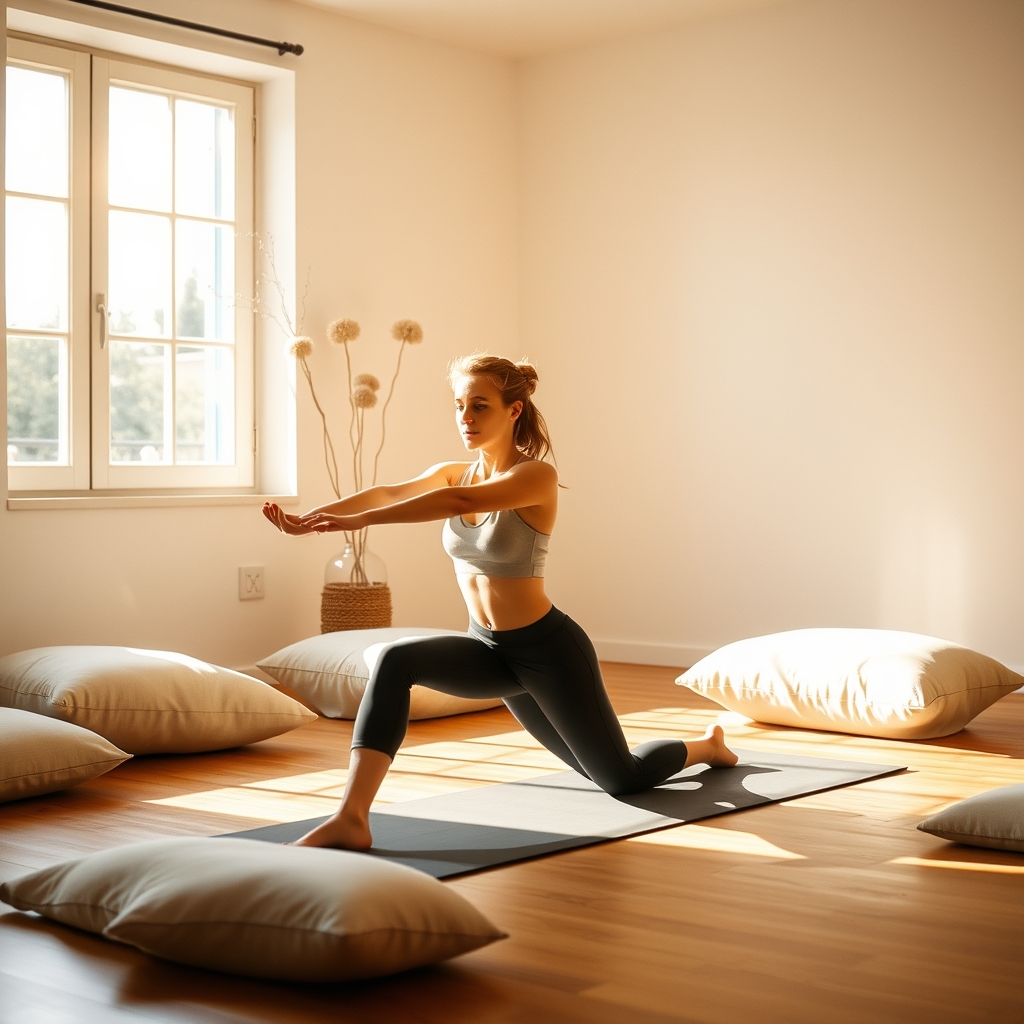
Explore how gentle Pilates may shift the autonomic balance, how it stacks up against other movement options, and a simple plan to try this week.
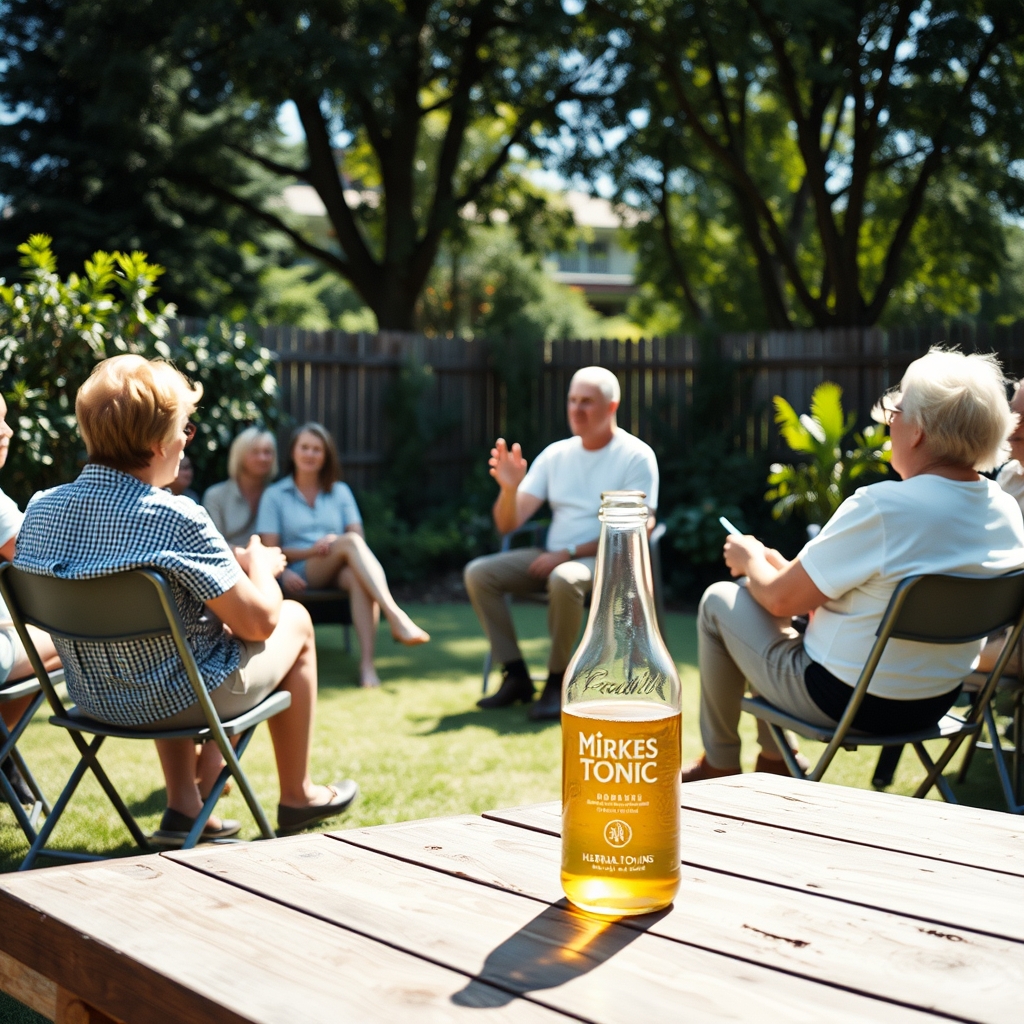
A look at Barbara O’Neill’s UK wellness conference, why her medical claims clash with evidence, and what readers can do to stay safe.

A practical look at ankle weights: how they affect muscle, balance and joint strain, and who should consider using them in a UK routine.

The evidence on blue‑light filters, eye strain and sleep is mixed. Find out how they work, what alternatives exist and a simple step to try this week.
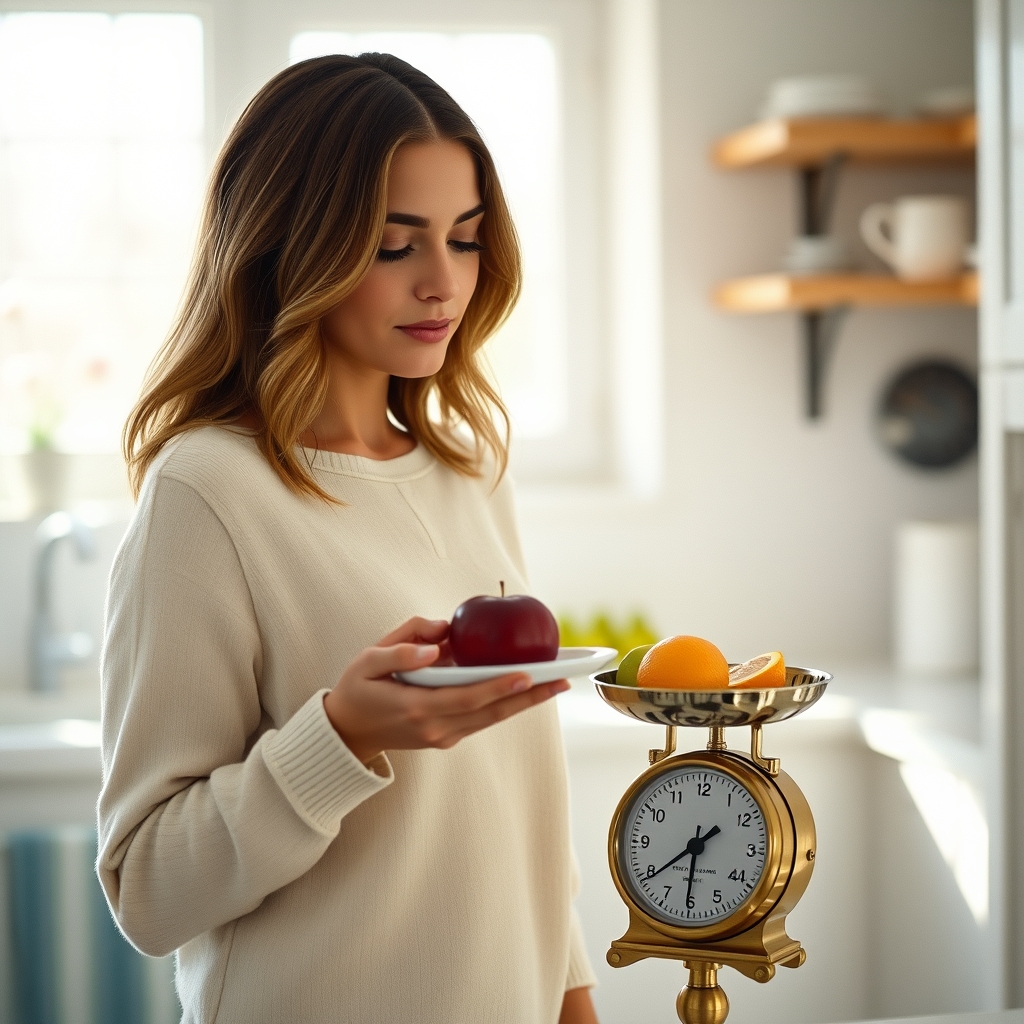
The evidence suggests weight regain is driven by hormones, adaptive thermogenesis and set‑point mechanisms – not just willpower. Learn what you can do this week.
This blog offers evidence‑minded guidance on everyday health for adults without medical training. It covers nutrition, sleep, movement, stress, habit formation and the critique of popular wellness claims. It is aimed at UK readers and uses NHS guidance and metric units. It does not provide medical diagnosis or treatment advice.
It covers evidence‑based information on what we eat, sleep and recovery, movement, stress and burnout, habit formation, and a critical look at popular wellness claims.
It does not provide medical diagnosis, treatment advice, or detailed pharmaceutical guidance; it focuses on everyday lifestyle choices rather than clinical interventions.
Adults without medical training who live in the UK and want clear, evidence‑backed guidance on everyday health decisions, using NHS recommendations as the default reference.
Read the article that answers a specific question, note the actionable tip at the end, and try that tip within the week to see a measurable change.
Readers often think it offers medical advice; in fact it provides lifestyle guidance only and does not replace professional medical care.
Get concise, evidence‑based health tips delivered to your inbox every week.
We count page views without cookies — no identifier, nothing stored on your device. Accept to allow cookies for analytics.