Keeping Your Eyes Safe During Halloween and Bonfire Night
Learn how to protect your eyes from novelty lenses and fireworks this autumn with practical tips and evidence‑based advice.
A spooky season can be a risky season for your sight
Halloween and Bonfire Night sit back‑to‑back in the UK calendar, turning early November into a marathon of costumes, candy and fireworks. The fun is undeniable, but the period also brings two preventable hazards that can damage the delicate structures at the front of the eye. Understanding why these hazards matter, and how simple choices can keep your vision intact, is worth a few minutes of attention before you head out.
According to Patient.info FeatureArticle, ophthalmic surgeon Alex Day highlights novelty coloured contact lenses and fireworks as the main culprits. Below we unpack how each risk works, compare safe alternatives, and point out what the evidence still doesn’t tell us.
Novelty lenses: sparkle that can scar
Coloured lenses sold for costume use are often marketed as "instant" eye‑makeover items. In reality they are still contact lenses that sit directly on the cornea, the clear outer surface of the eye. If a lens does not fit snugly, it can create tiny abrasions that break the epithelium (the protective cell layer). Those micro‑scratches become entry points for bacteria, which can multiply and cause microbial keratitis – a painful infection that, if untreated, can lead to scarring and permanent sight loss.
The legal backdrop in the UK is clear: it is illegal to sell any contact lens, even non‑prescription coloured ones, without a registered eye‑care professional overseeing the fitting. The rule exists because a professional can measure the curvature of your cornea, choose the correct lens diameter, and verify that the material is compatible with your tear film. Skipping this step dramatically raises the odds of a bad fit.
Fireworks: hot sparks, cold consequences
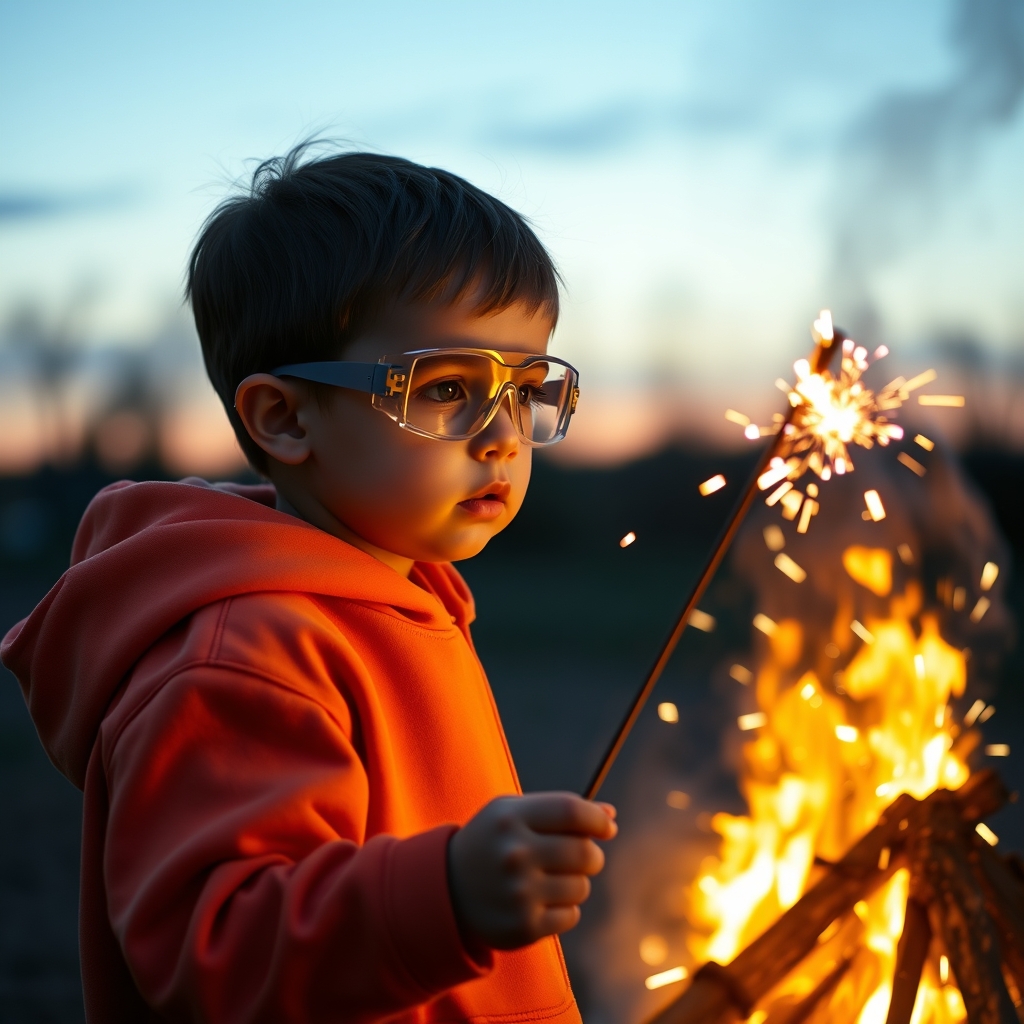
A sparkler may seem harmless, but it can reach temperatures of up to 2,000 °C – roughly twenty times hotter than boiling water. When a sparkler or any pyrotechnic device contacts the eye, the thermal energy can melt the corneal epithelium and damage deeper structures such as the lens or retina. The British Ophthalmological Surveillance Unit (BOSU) found that among serious firework‑related eye injuries in the UK, just over half resulted in very poor vision and one in six led to complete loss of the eye. Crucially, three‑quarters of those injured were adults, showing that the risk is not confined to mischievous teenagers.
The most common mechanisms are:
- Direct impact from an exploding shell or sparkler fragment.
- Thermal burn from the flame or hot gases.
- Secondary injury from rubbing the eye, which can embed particles further.
Prompt treatment – ideally within hours – improves the chance of full recovery, but the window for effective care can close quickly as inflammation and infection set in.
Safe versus risky choices
| What you’re doing | Typical source or setting | Estimated risk of eye injury* | Key precaution |
|---|---|---|---|
| Wearing coloured lenses | Optician‑fitted prescription lenses | Low (fit checked, sterile handling) | Get a professional fitting, follow cleaning rules, remove if eye becomes red or painful |
| Wearing coloured lenses | Market stall or unverified online retailer | Moderate‑high (fit unknown, possible poor hygiene) | Avoid buying outside a registered provider |
| Watching fireworks at a public display | Organized event with safety barriers | Low (distance enforced, professionals handling) | Keep a safe viewing distance, no need for personal protective eyewear |
| Setting off fireworks at home | Backyard or private garden | High (close range, uncontrolled devices) | Use only licensed fireworks, wear approved protective goggles, keep children away |
| Lighting a sparkler | Child’s hand, unsupervised | Moderate (high temperature, hand‑to‑eye proximity) | Supervise children >5 years, keep sparkler away from face |
*Risk levels are based on NHS and BOSU data; exact probabilities are not published.
Who stands to gain, and who might lose out?
- Families with young children gain peace of mind by opting for organised displays and by keeping sparklers out of the hands of kids under five. The trade‑off is a modest travel cost or ticket price, but the reduction in injury risk is substantial.
- Costume enthusiasts can still achieve dramatic eye effects if they visit an optician. The extra appointment may feel inconvenient, yet it prevents the downstream costs of an eye infection, which can include specialist treatment and time off work.
- DIY firework fans may lose the thrill of lighting their own show, but they avoid the steep odds of a serious eye injury – a risk that, according to the Department of Health and Social Care, contributes to more than 100 hospital admissions each year in England alone.
- Retailers of novelty lenses risk losing sales if stricter enforcement of the existing law is pursued. The public health benefit, however, outweighs any commercial loss.
In practice this usually means prioritising professional eye‑care visits over the impulse to buy cheap lenses at a market, and choosing community fireworks over a backyard barrage.
Gaps in the guidance and what could go wrong
The source provides clear advice on lens fitting and firework safety, but a few areas remain fuzzy:
- Long‑term outcomes for mild keratitis: The article mentions “serious sight‑threatening infection” but does not quantify how often a mild infection resolves without lasting damage.
- Effectiveness of over‑the‑counter protective eyewear: While Day recommends “suitable protective eyewear,” there is no discussion of standards (e.g., EN 166) or how to verify that a pair meets them.
- Risk for people with pre‑existing eye conditions: Individuals with dry eye, glaucoma or a history of corneal surgery may be more vulnerable, yet the article does not tailor advice for them.
- Impact of weather: Wind can carry spark fragments further than expected, potentially increasing risk at organised events as well.
These uncertainties suggest that anyone with an eye condition should discuss specific precautions with their optometrist before the season starts.
A simple step you can take this week
Schedule a 10‑minute phone call or quick visit to your local optician to ask whether they offer a fitting for coloured lenses, even if you only need them for a one‑off costume. If the answer is no, plan to skip the lenses altogether and focus on a striking costume that doesn’t rely on contact lenses. The call takes less than ten minutes and removes a major preventable risk from your Halloween checklist.