Are high‑price electric toothbrushes worth it?
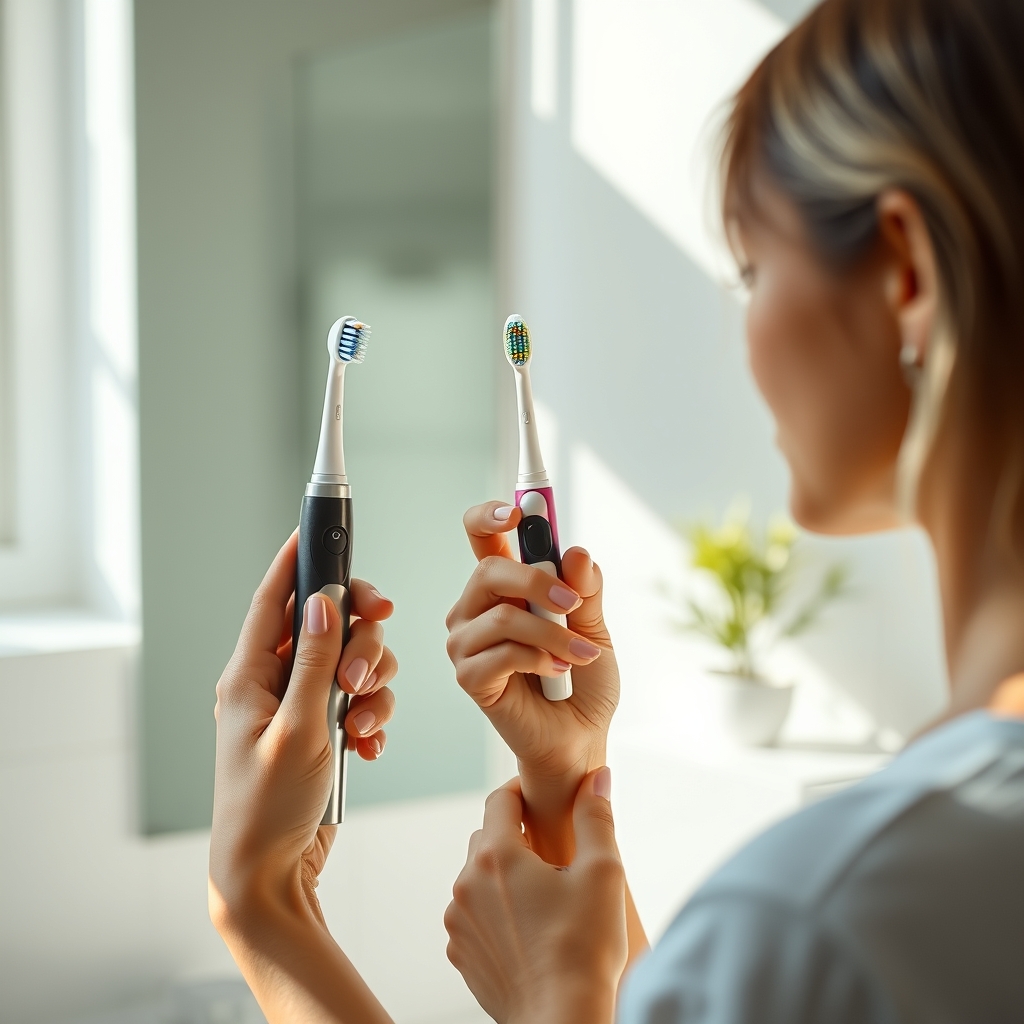
A look at the rise of premium electric toothbrushes, the evidence behind their performance, who benefits and what to consider before spending hundreds on a brush.
The Guardian recently reported that the UK market for electric toothbrushes now includes models costing up to £600, while 59 % of adults already use a powered brush. The surge in price and tech features raises the question: does a pricier toothbrush translate into better oral health, or is it mostly a status symbol?
The market’s evolution
In 1969, Which? described the electric toothbrush as a simple motor‑driven brush, predicting it would become a popular gift. Six decades later, brands such as Philips Sonicare, Oral‑B and Dyson offer multi‑speed heads, pressure sensors, AI‑driven cameras and even built‑in water jets. Mintel data show sales—including replacement heads—reached £361 million last year, with a market share of roughly 60 % held by Oral‑B. New entrants like the eco‑focused Suri (from £65) aim to curb the billions of discarded brushes ending up in landfill.
How the technology is supposed to work
Modern powered brushes claim three core benefits:
- Higher plaque removal – oscillating, sonic or ultrasonic motions create rapid brush‑head vibrations that dislodge biofilm more effectively than manual scrubbing.
- Real‑time feedback – pressure sensors warn when you’re brushing too hard, while apps map coverage to encourage thoroughness.
- Adjunct cleaning – water jets or camera systems promise to reach inter‑proximal spaces without floss.
The underlying mechanism is mechanical: rapid micro‑movements increase shear forces on the tooth surface, loosening plaque. Sensors translate force into an audible or visual cue, helping users avoid over‑brushing that can wear enamel. Cameras aim to visualise gaps, but require a clear field of view, which is compromised by foam toothpaste and saliva.
What the evidence actually says
A 2014 Cochrane review—still the most comprehensive analysis—found powered brushes removed 11 % more plaque in the short term and 21 % more after three months, with a modest reduction in gingivitis. Most trials were small, industry‑funded (mainly by Oral‑B), and measured technique under supervised conditions. The review did not differentiate between basic and premium models, so the extra cost of features like AI cameras is not backed by robust data.
Dentists interviewed for the article, including Dr Zaeem Jafri and Dr Reena Wadia, both recommend rechargeable electric brushes over manual ones but stop short of endorsing high‑end models. Jafri notes, “There’s no robust research that says a certain kind of electric brush removes plaque at a better rate than others.”
Comparing the options
| Feature | Basic (£25‑£40) | Mid‑range (£100‑£250) | Premium (£400‑£600) |
|---|---|---|---|
| Motion type | Oscillating‑rotating | Sonic or oscillating‑rotating + pressure sensor | Sonic + AI camera + water jet |
| Plaque removal (evidence) | 10‑12 % better than manual (Cochrane) | Same as basic (no extra studies) | No independent data; anecdotal mixed results |
| Battery life | 1‑2 weeks | 1‑2 weeks (fast‑charge) | 1‑2 weeks (fast‑charge) |
| App integration | Rare | Common (usage stats) | Full‑screen live video, cloud storage |
| Cost of replacement heads | £5‑£10 | £15‑£30 | £30‑£80 |
| Typical user | Budget‑conscious, occasional brushers | Tech‑savvy, health‑focused | Status‑seekers, early adopters |
Who gains and who loses?
Consumers with good baseline habits—brushing twice daily, using fluoride toothpaste, and flossing—are the primary buyers of premium brushes. For them, the extra features may feel like a luxury rather than a health necessity. Low‑income groups are less likely to own any electric brush (47 % vs 76 % in the highest income bracket) and also face the greatest barriers to NHS dental care; for them, the cost‑effectiveness argument is moot.
Manufacturers gain from “up‑selling” the affluent market, especially when a brand like Dyson creates media buzz that lifts consumer expectations across the sector. Dental clinics may see a modest increase in product sales, but as Jafri points out, dentists do not earn commissions, and most patients already receive free sample brushes in training sessions.
The NHS stands to lose if public perception equates oral health with high‑tech gadgets. The current crisis—60 % of English adults haven’t seen an NHS dentist in two years—means resources are already stretched. Emphasising expensive devices could divert attention from fundamental preventive measures such as fluoride use, regular check‑ups and proper brushing technique.
What could go wrong?
- Over‑reliance on gadgets – The Dyson water jet, for example, may give users the impression that flossing is unnecessary, yet research shows interdental cleaning still reduces plaque in hard‑to‑reach areas.
- Technical failures – Early batches of the CameraJet reported overheating and charging issues, leading to temporary stock shortages. Faulty brushes could damage enamel if the motor runs unchecked.
- Fluoride loss – Water jets rinse away the fluoride‑rich toothpaste layer, shortening the contact time that helps remineralise enamel.
- Data privacy – Live‑stream video to a phone app stores images of the mouth; the Guardian article does not detail how this data is protected, leaving a potential privacy gap.
- Environmental impact – Premium brushes use more electronics and batteries, and their replacement heads are costly, potentially increasing plastic waste despite claims of sustainability.
Where the source leaves gaps is in long‑term cost‑benefit analysis. No independent study has measured whether spending £400‑£600 on a brush reduces dental treatment costs over a year or more. Likewise, the environmental trade‑off between a durable premium device and a recyclable low‑cost model remains unquantified.
Practical take‑away for this week
If you already brush twice a day, use a fluoride toothpaste and floss or use interdental brushes, a basic rechargeable electric brush will give you the plaque‑removal benefit documented by research. Before splurging on a premium model, try a mid‑range brush for a month and compare how it feels, whether the app data actually changes your routine, and whether you still floss. Record any changes in gum comfort or plaque perception, then decide if the extra cost adds real value for you.