The Science of Autumn Nesting: Why We Crave Cosiness and How to Use It
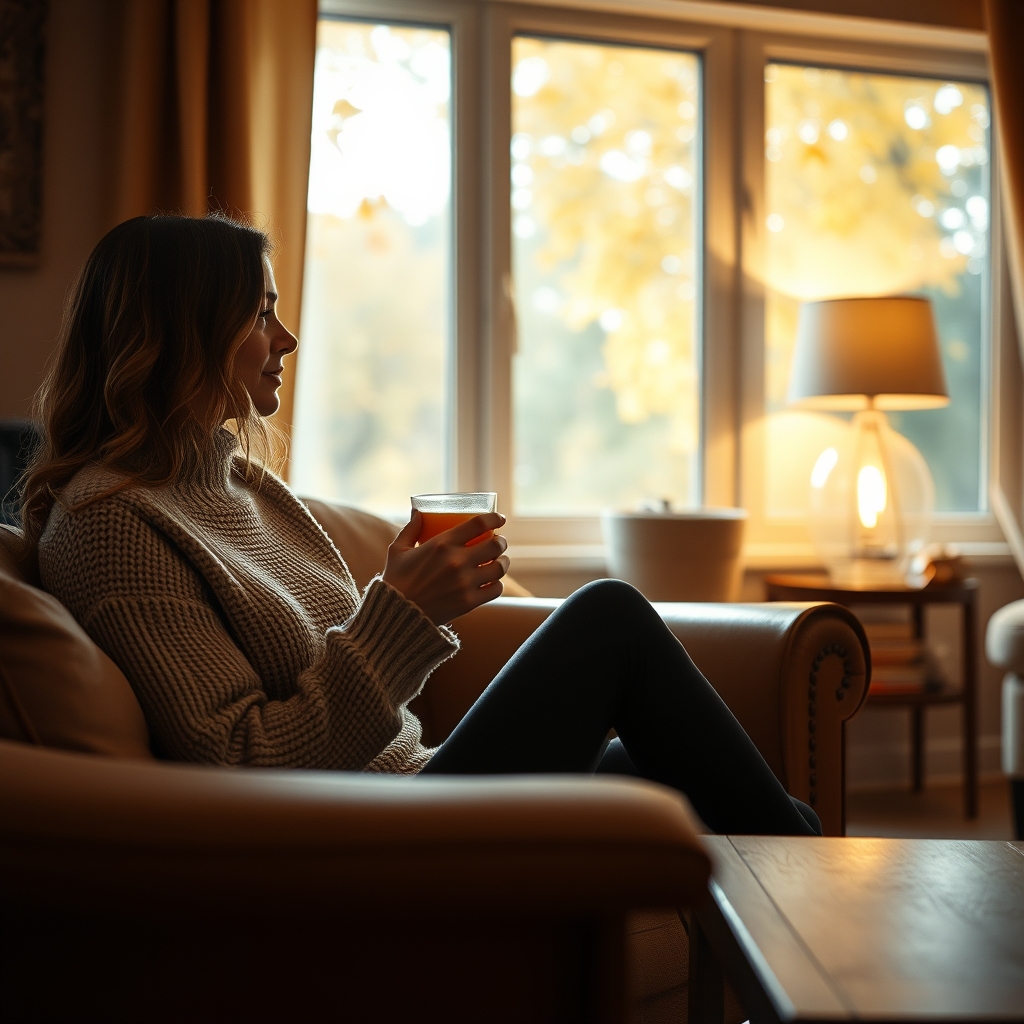
Explore why cooler evenings make us want to nest, the biology behind it, practical cosy tips and what to watch out for.
According to Patient.info FeatureArticle, the urge to "nest" as temperatures fall is more than a cultural habit – it is anchored in measurable physiological changes. Understanding those changes helps you decide whether to lean into the season or keep your routine unchanged.
The seasonal cue: why autumn feels different
When daylight shortens and the air cools, the body receives a cascade of signals that tip the internal balance toward conservation. Light is the strongest external cue for the suprachiasmatic nucleus – the brain’s master clock – which coordinates hormone release, body temperature and sleep‑wake timing. In autumn the reduced blue‑light exposure accelerates melatonin production, nudging us toward earlier evenings. At the same time, the drop in ambient temperature triggers a natural drive for warmth, prompting behaviours that protect core temperature. The combination of earlier melatonin and a thermal reward system explains why many people feel a sudden desire for soft blankets, warm drinks and low‑stimulus environments.
Neuro‑physiological mechanisms behind the cosy feeling
Two linked pathways dominate the autumn response.
- Thermal reward and cortisol – Moving from a cool room to a heated space activates thermoreceptors in the skin. These receptors send signals to brain regions that release dopamine, creating a mild pleasure response. Simultaneously the hypothalamic‑pituitary‑adrenal (HPA) axis dampens cortisol, the stress hormone, which can lower anxiety and improve mood.
- Vagus nerve activation via breathing – Cooler air encourages slower, deeper breaths. The vagus nerve, a key component of the parasympathetic nervous system, senses this change and reduces heart rate and blood pressure. The net effect is a shift from a "fight‑or‑flight" state to a "rest‑and‑restore" mode.
Both pathways converge on the parasympathetic system, which the evidence suggests promotes relaxation, better digestion and more restorative sleep. The article also notes that warm light (2700–3000 K) reduces blue‑light exposure, supporting melatonin release and stabilising the sleep‑wake rhythm.
Turning the science into home tweaks
The same mechanisms can be nudged deliberately.
- Lighting – Swap overhead fluorescents for warm‑tone LED bulbs (2700–3000 K) or low‑wattage lamps. Dim the lights at least two hours before bedtime to avoid suppressing melatonin.
- Texture – Soft, heavy fabrics (weighted blankets, wool throws, fleece socks) stimulate thermo‑receptors and can increase oxytocin, a hormone linked to bonding and anxiety reduction.
- Scent – Aromas such as vanilla, amber, sandalwood, cinnamon or clove have shown modest effects on amygdala activity and can raise oxytocin levels. A single candle or a few drops of essential oil on a cloth may be sufficient.
- Sound – Continuous low‑frequency noises like crackling fire, rain or wind help regularise breathing patterns. A 10‑minute soundscape played while you sit in a comfortable chair can lower heart rate by a few beats per minute.
- Morning daylight – Even on overcast days, stepping outside for 15 minutes after waking boosts serotonin, improves mood and strengthens the immune response.
These adjustments are inexpensive, low‑risk and align with NHS advice on sleep hygiene and stress management.
Autumn nesting compared with other seasonal habits
| Habit | Primary cue | Typical physiological effect | Ease of implementation | When it might backfire |
|---|---|---|---|---|
| Autumn nesting (warm light, textures, scents) | Shorter daylight, cooler temperature | ↑ parasympathetic tone, ↓ cortisol, earlier melatonin | Simple (bulbs, blankets, candles) | Over‑warming can disrupt sleep if bedroom stays too hot |
| Summer cooling (air‑conditioning, light fabrics) | Longer daylight, higher temperature | ↑ sympathetic tone, potential dehydration | Requires electricity, may increase energy bills | Cold rooms can raise blood pressure in vulnerable people |
| Winter hibernation‑style (very low light, heavy blankets) | Very short days, very low temperature | Strong parasympathetic drive, risk of vitamin D deficiency | May need specialised heating, blackout curtains | Excessive darkness can worsen Seasonal Affective Disorder |
The table shows that autumn nesting occupies a middle ground: it harnesses natural cues without the extremes of heat or darkness, making it broadly suitable for most adults.
Who benefits, where the evidence is thin, and what could go wrong
Most healthy adults will find modest improvements in sleep quality and perceived stress by adopting the nesting tweaks. People with chronic anxiety, mild insomnia or a tendency toward evening cortisol spikes may notice the biggest gains.
However, the research cited in the source is largely observational or based on small experimental groups. For instance, the claim that specific scents raise oxytocin comes from limited laboratory studies; real‑world effects may be subtler. Likewise, the 2025 Hong Kong neuroscience study demonstrated heart‑rate synchronisation to fire sounds in a lab, but it did not assess long‑term mental‑health outcomes.
Potential downsides include:
- Over‑reliance on ambient changes – If cosy rituals replace core habits such as regular exercise, balanced diet or consistent sleep‑wake times, overall health may stagnate.
- Allergy or sensitivity – scented candles or essential oils can trigger asthma or contact dermatitis in susceptible individuals.
- Fire safety – open flames must never be left unattended; improper use can lead to burns or household fires.
- Temperature mis‑management – a bedroom that stays above 20 °C can impair the drop in core body temperature needed for deep sleep, paradoxically increasing night‑time awakenings.
The source itself notes that Seasonal Affective Disorder (SAD) is a distinct clinical condition. Nesting strategies are unlikely to replace professional treatment for SAD; persistent low mood still requires medical review.
A simple nesting ritual to try this week
- Set the scene (5 minutes) – Switch all overhead lights to a 2700 K lamp, dim the brightness, and light a single unscented candle.
- Add texture (2 minutes) – Wrap yourself in a fleece throw or place a weighted blanket on your favourite chair.
- Breathe (3 minutes) – Sit upright, inhale through the nose for a count of four, exhale through the mouth for a count of six. Repeat for three minutes, focusing on the warmth of the blanket.
- Soundscape (optional, 5 minutes) – Play a low‑volume recording of a crackling fire or gentle rain while you read or journal.
- Close the ritual – Turn off the lamp, leave the candle to burn out safely, and head to bed within an hour of dimming the lights.
Doing this routine once each evening for a week should give you a tangible sense of the autumn‑nesting effect and a measurable improvement in how quickly you fall asleep.