Do Bananas Really Cancel Out Blueberries’ Antioxidants?
We unpack the claim that bananas destroy blueberry antioxidants, explain the science, and give practical tips for your smoothies.
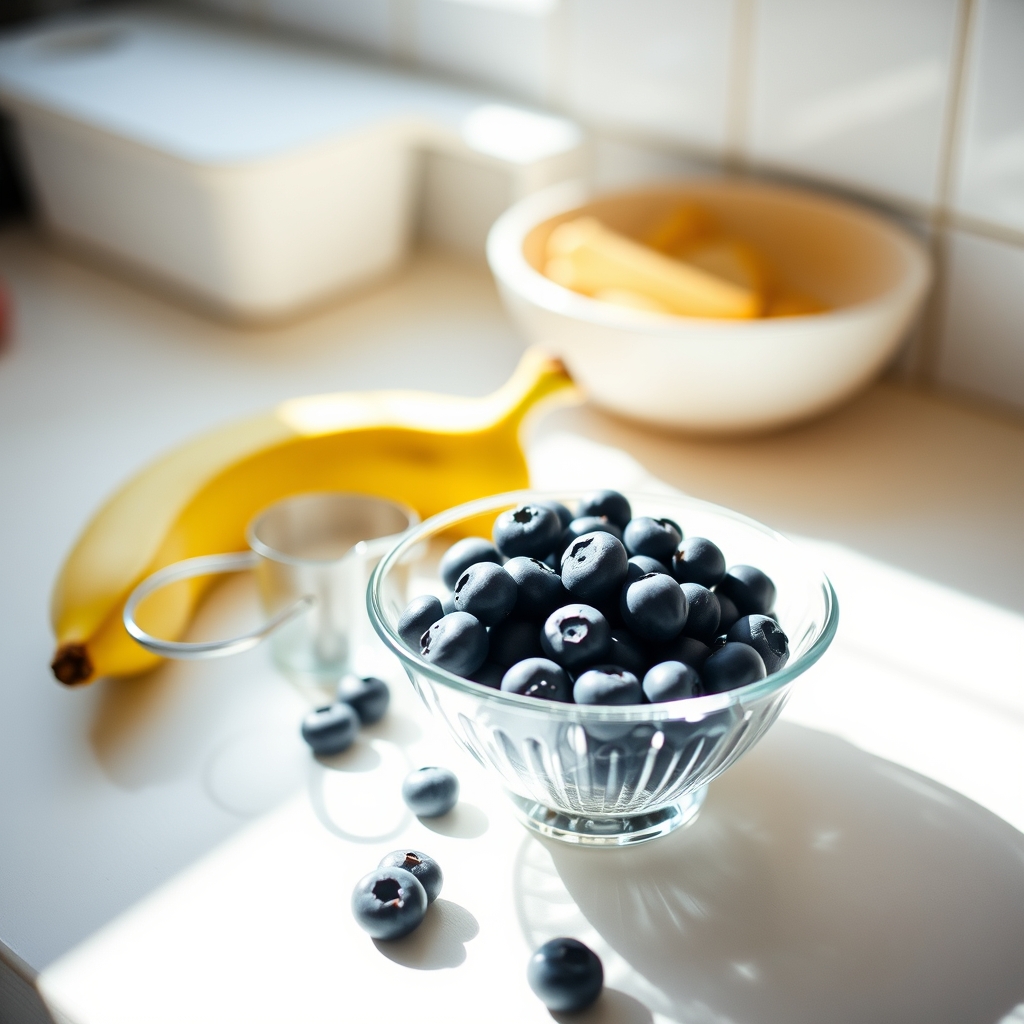
A banana in a blueberry smoothie – why the fuss?
A recent podcast clip claimed that adding a banana to a blueberry smoothie "kills" the berries' antioxidant benefit. The idea caught headlines, sparked social media debate and left many wondering whether their favourite fruit blend is actually doing more harm than good.
The evidence suggests the picture is far more nuanced than a headline‑grabbing sound bite. Below we break down the chemistry, look at the research that sparked the claim, compare alternative ingredients, and end with a simple step you can try this week.
The enzyme at the centre of the story
Bananas contain polyphenol oxidase (PPO), an enzyme that catalyses the oxidation of polyphenols – a broad family of plant compounds that include flavanols and anthocyanins. When PPO contacts polyphenols, it can convert them into quinones, which are less colourful and often less bioavailable. In practical terms, this is the same reaction that turns a sliced apple brown.
Blueberries are rich in polyphenols, especially anthocyanins (the pigments that give them their deep blue colour) and, to a lesser extent, flavanols. The 2023 study that fed the current controversy measured flavanols, not anthocyanins. That distinction matters because anthocyanins are the dominant antioxidant in blueberries, while flavanols make up a smaller proportion.
What the 2023 study actually did
According to Health, the study recruited eight healthy volunteers who consumed two types of smoothie: one with a banana plus an added flavanol extract, and another with mixed berries plus the same flavanol extract. Blood levels of flavanols were lower after the banana drink.
Key limitations noted by experts:
- No banana‑blueberry mix – the researchers never blended bananas and blueberries together, so the specific interaction in a typical smoothie was not tested.
- Very small sample – eight participants provide insufficient statistical power to draw firm conclusions about the general population.
- Funding source – the trial was funded by Mars, a company that sells flavanol‑rich chocolate products, raising the possibility of a conflict of interest.
- Focus on flavanols only – anthocyanins, the main blueberry polyphenols, were not measured, so the study does not tell us whether banana PPO affects the compounds most likely to drive health benefits.
In practice this usually means we should treat the result as a hint rather than a verdict.
How big a difference does PPO make?
Polyphenol oxidase does reduce measurable polyphenols in laboratory assays, but the magnitude varies by fruit, the amount of enzyme present, and how the food is processed. For example, cutting a banana and letting it sit for an hour will increase oxidation, yet most smoothies are consumed within minutes of blending, limiting the window for PPO activity.
A broader body of research shows that PPO can diminish the in vitro antioxidant capacity of certain foods, but translating that to actual health outcomes is difficult. Polyphenols are not essential nutrients; there is no established daily intake recommendation, and the human body can compensate through gut microbiota metabolism.
Alternatives for a thick, tasty smoothie
If you prefer to avoid any potential PPO‑driven loss of flavanols, several other ingredients can provide creaminess without the enzyme:
| Ingredient | Approx. fibre (g per 100 g) | Typical cost (GBP) per 100 g | Effect on polyphenol content |
|---|---|---|---|
| Banana (ripe) | 2.6 | £0.15 | Contains PPO, may oxidise flavanols |
| Mango (frozen) | 1.8 | £0.30 | Low PPO, adds sweetness |
| Pineapple (frozen) | 1.4 | £0.25 | Low PPO, adds acidity |
| Oats (rolled) | 10 | £0.10 | No PPO, adds fibre and thickness |
| Silken tofu | 5 | £0.40 | No PPO, adds protein and creaminess |
| Avocado | 6.7 | £0.50 | No PPO, adds healthy fats |
The table shows that non‑banana options can match or exceed banana’s fibre contribution while avoiding the PPO variable. Cost differences are modest, and all options remain affordable under NHS guidance for a balanced diet.
Who gains and who loses from the debate?
- Consumers – The headline that “bananas kill blueberry benefits” can discourage people from adding a nutrient‑dense fruit that supplies potassium, vitamin B6 and fibre. If the fear leads to reduced fruit intake, the net effect may be negative.
- Food industry – Companies that market “banana‑free” berry blends may benefit from the controversy, while banana producers could see a dip in sales if the story gains traction.
- Researchers – The buzz highlights the need for larger, real‑world studies that test common food pairings rather than isolated extracts.
In practice, the trade‑off is between a marginal, theoretically plausible reduction in a specific flavanol fraction and the practical advantage of a more palatable, nutrient‑rich smoothie that encourages higher overall fruit consumption.
What could still go wrong?
The source leaves several questions open:
- Long‑term health impact – No trial has linked the modest flavanol reduction observed in an eight‑person study to measurable changes in cardiovascular or metabolic health.
- Individual variability – Genetic differences in gut microbiota can alter how each person metabolises polyphenols, meaning the effect of PPO may be negligible for some and more pronounced for others.
- Processing conditions – Temperature, blending speed and the presence of antioxidants like vitamin C (often added via citrus juice) can inhibit PPO activity. Without controlling these factors, real‑world smoothies may behave differently from laboratory mixes.
Until larger trials address these gaps, the safest stance is to treat the PPO effect as a minor consideration rather than a decisive factor.
Practical tip for the week ahead
Try making two versions of your favourite berry smoothie:
- Classic – 100 g frozen blueberries, 1 medium banana, 150 ml low‑fat milk.
- Swap – Replace the banana with 50 g frozen mango and 30 g rolled oats for thickness.
Track how you feel, note any differences in taste, and count your fruit servings. If the banana version encourages you to drink more fruit overall, that win outweighs a theoretical flavanol loss.