Beyond the Scale: How Weight Relates to Metabolic Health
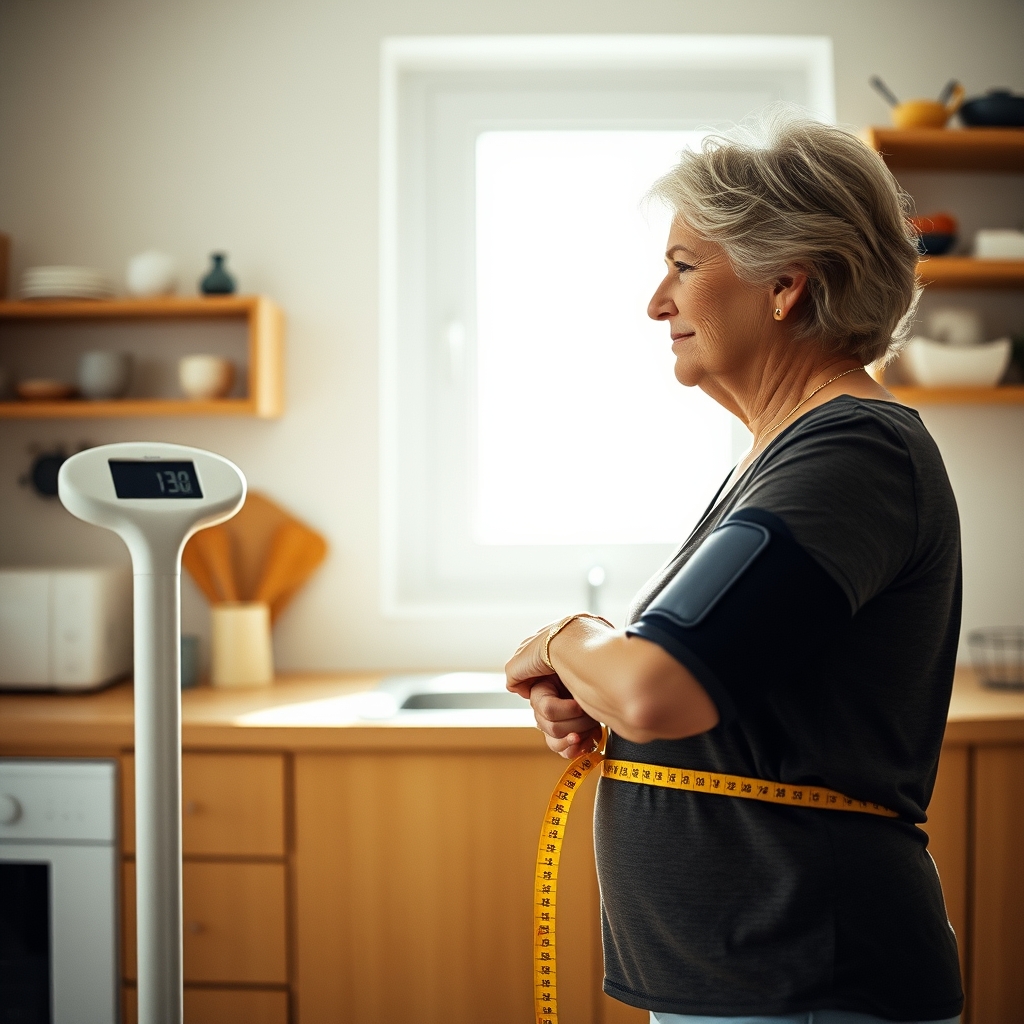
Weight alone misses the bigger picture; learn how BMI, waist‑to‑height ratio and metabolic markers together reveal true health.
A quick look at the issue
The number you see on the bathroom scale can feel like a health report card, but the evidence suggests it tells only part of the story. Understanding whether you are truly metabolically healthy requires looking at body composition, fat distribution and a handful of blood tests alongside weight.
Weight as a starting point, not a verdict
Weight is easy to measure and has long been used to estimate health risk. The body mass index (BMI) – weight in kilograms divided by height in metres squared – classifies adults into underweight, healthy weight, overweight and obese. For public health surveys BMI works well because it is cheap and can be applied to thousands of people.
For an individual, however, BMI is a screening tool rather than a diagnosis. It cannot tell you how much of your mass is fat versus muscle, nor where that fat sits. A muscular 30‑year‑old may have a BMI of 28 kg/m² and still carry very little body fat, while a sedentary peer with the same BMI could have a high proportion of adipose tissue. Because muscle is a major site for glucose uptake, the former person is likely to have better insulin sensitivity despite a ‘high‑normal’ BMI.
What metabolic health really means
Metabolic health describes how efficiently the body regulates four key systems: blood glucose, blood lipids (fats), blood pressure and energy use. When these systems work together, the risk of type 2 diabetes, cardiovascular disease, fatty liver and several cancers falls.
The evidence suggests that metabolic health can be good, poor or somewhere in between, regardless of weight. Two people of identical height and weight can have very different blood‑pressure readings, cholesterol levels or HbA1c values (a measure of average blood sugar). Conversely, someone with a BMI in the "healthy" range can still show insulin resistance or elevated triglycerides.
Muscle, fat and where the body stores it
Muscle tissue is a primary sink for glucose. During and after exercise, muscle cells pull glucose from the bloodstream, lowering the demand on insulin. Therefore, preserving or building muscle can improve metabolic health even without weight loss.
Fat is not homogeneous. Subcutaneous fat sits just under the skin and is relatively inert. Visceral fat surrounds internal organs deep in the abdomen; it releases inflammatory molecules that promote insulin resistance, raise blood pressure and disturb lipid metabolism. Research cited in the source links higher visceral fat to metabolic risk independently of BMI.
Because visceral fat is hidden, waist‑to‑height ratio (WHtR) is a practical proxy. NICE advises adults to keep waist circumference below half their height. For a person 170 cm tall, that translates to a waist under 85 cm. A WHtR above 0.5 signals higher visceral fat and, consequently, higher metabolic risk.
Practical ways to assess risk
Below is a concise comparison of three common approaches used in NHS primary care and public health.
| Measure | What it tells you | Main limitation |
|---|---|---|
| BMI (kg/m²) | General population risk categories; easy to calculate | No insight into muscle vs fat, no data on fat location |
| Waist‑to‑height ratio | Approximation of visceral fat; easy with a tape measure | Does not capture overall adiposity or muscle mass |
| Metabolic blood panel (HbA1c, fasting glucose, lipids, blood pressure, liver enzymes) | Direct view of glucose control, lipid balance, blood‑pressure status | Requires a clinic visit or NHS test; not all markers are repeat‑tested routinely |
In practice, clinicians start with BMI, then add a waist measurement if the BMI is near a risk threshold or if the patient belongs to an ethnic group known to develop metabolic disease at lower BMI. The source notes that NICE recommends lower BMI cut‑offs for South Asian, Chinese, other Asian, Middle‑Eastern, Black African and African‑Caribbean people because metabolic complications appear earlier in these groups.
If the combined picture suggests elevated risk, the NHS will typically order a metabolic blood panel. For people with a strong family history, gestational diabetes or polycystic ovary syndrome, the threshold for testing may be lower.
Who gains by looking beyond weight?
People who are already active and have a strong muscular build often find BMI misleading; they may be labelled "overweight" despite low body fat. Using waist‑to‑height ratio and metabolic markers prevents unnecessary stigma and directs attention to lifestyle factors that truly matter.
Conversely, individuals whose BMI falls in the "healthy" range but who carry excess visceral fat – a common scenario in some ethnic groups – benefit from the extra screening. Detecting early insulin resistance can prompt diet and activity changes before diabetes develops.
The trade‑off is that adding measurements costs time and, in the case of blood tests, resources. For the NHS, the balance is to reserve full metabolic panels for those whose BMI or waist measurement crosses a risk threshold, or who have additional risk factors such as smoking, age over 45, or a family history of cardiovascular disease.
What could go wrong or remains uncertain
The source highlights that some tests, like the Homeostatic Model Assessment of Insulin Resistance (HOMA‑IR), are common in research but not routinely offered in NHS primary care. Relying solely on standard panels may miss early insulin resistance in people whose pancreas compensates with higher insulin output.
Another gap is the long‑term predictive value of waist‑to‑height ratio versus newer imaging methods (e.g., MRI‑derived visceral fat quantification). While WHtR is practical, it cannot differentiate between subcutaneous and visceral compartments with the precision of imaging. Future research may refine risk thresholds or introduce affordable bedside tools.
Finally, lifestyle advice based on weight alone can overlook the psychological impact of weight‑focused messaging. Encouraging people to track waist size or metabolic markers may shift focus to health behaviours, but clinicians need to ensure that patients do not feel judged for a number they cannot readily change.
A small step you can take this week
Measure your waist with a flexible tape, then divide that number by your height (both in centimetres). If the resulting ratio is above 0.5, note it and book a routine blood‑pressure check or request a cholesterol test at your local GP surgery. Even without a full metabolic panel, knowing these two numbers gives a clearer picture than weight alone.