What your tailbone does for you – and how to protect it
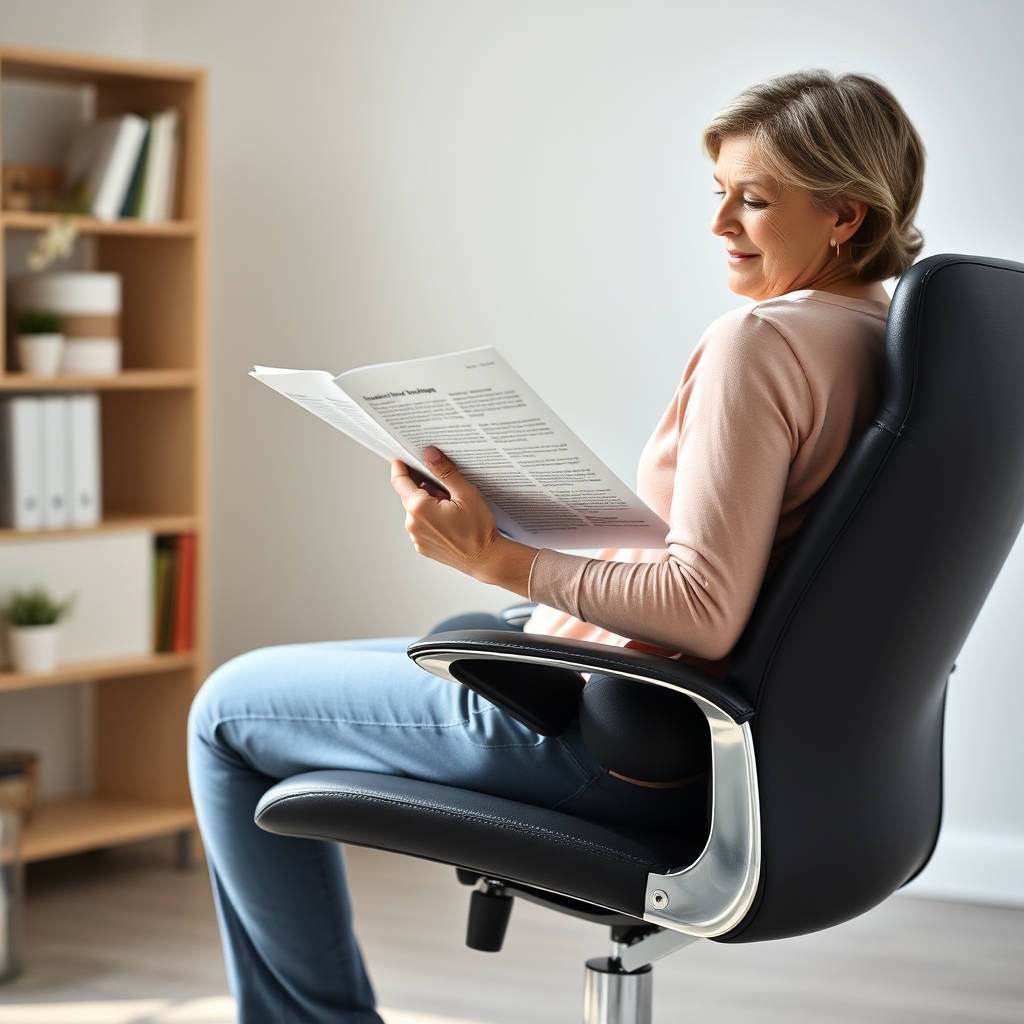
Learn why the coccyx matters, common causes of tailbone pain and practical steps you can take this week to keep it healthy.
Lead
Your coccyx, the small bone at the base of your spine, often feels like an after‑thought until it hurts. Recent commentary in The Guardian highlighted how a cycling accident left broadcaster Adrian Chiles with lasting pain, prompting a look at what that tiny bone actually does and how you can guard it.
What the coccyx is and why it matters
The coccyx is formed from three to five tiny vertebrae that fuse together in adulthood. It sits at the very bottom of the vertebral column and serves as the attachment point for the levator ani and other pelvic floor muscles. Those muscles support the bladder, bowel and, in women, the uterus. Without a stable anchor at the back, the pelvic floor would have to rely on weaker connections, increasing the risk of prolapse – a condition where pelvic organs descend. In short, the coccyx is a structural keystone for core stability, not a vestigial tail.
How the coccyx gets injured
In Chiles’ story the injury came from an extreme cycling challenge almost two decades ago. The most common ways people damage their coccyx are:
- Direct trauma – falls onto a hard surface, a hard bicycle seat, or a slip while dancing, as Prof Alice Roberts described from her own experience.
- Repetitive pressure – long periods of sitting on hard chairs, especially without a cut‑out cushion.
- Sudden hyperextension – a jolt that forces the lower spine backward, sometimes during sports or a car accident.
Symptoms typically include a sharp, electric‑like pain when sitting, standing up, or bending forward. The pain may be constant or flare only with pressure on the tailbone.
How the body responds – the healing trade‑off
When the coccyx is bruised or fractured, the body initiates an inflammatory response to repair damaged tissue. Because the bone is small and surrounded by limited blood supply, healing can be slow. The surrounding ligaments may tighten to stabilise the area, which can in turn restrict pelvic floor mobility. That trade‑off means you might feel less pain but at the cost of reduced flexibility, potentially affecting activities that require deep squatting or prolonged sitting.
Managing coccyx pain: options and what they involve
Below is a concise comparison of the most common approaches, drawn from standard NHS guidance on low back and pelvic pain.
| Approach | What it entails | Typical benefit | Typical downsides |
|---|---|---|---|
| Activity modification | Avoid prolonged sitting, use a doughnut or wedge cushion, break up sitting time with standing | Reduces pressure on the coccyx, often enough for mild cases | May be inconvenient; does not address underlying muscle tightness |
| Physiotherapy | Targeted pelvic floor exercises, gentle stretching, manual therapy to improve alignment | Improves muscle balance, can speed functional recovery | Requires regular appointments; progress depends on adherence |
| Medication | Short‑term NSAIDs (e.g., ibuprofen) for pain and inflammation, as per NHS prescribing advice | Quick pain relief, easy to access | Potential gastrointestinal side‑effects; does not treat the mechanical issue |
| Coccygeal manipulation | Manual adjustment by a qualified practitioner, sometimes used in specialised clinics | May relieve pain when other measures fail | Evidence is limited; risk of temporary soreness |
| Surgical excision (coccygectomy) | Removal of part or all of the coccyx under anaesthetic | Considered for chronic, severe pain unresponsive to conservative care | Invasive, carries infection risk, long recovery, and not always successful |
The evidence suggests that most people improve with conservative measures – cushions, activity tweaks and physiotherapy – before considering surgery. The NHS pathway typically recommends trying these first.
Who stands to gain – and who may be left out
Cyclists, long‑hour office workers and anyone who spends a lot of time on hard seats are at higher risk of coccyx irritation. For them, a simple change like a well‑shaped cushion can make a noticeable difference. Conversely, people with acute fractures may need imaging and possibly specialist referral; they won’t find relief from a cushion alone.
People with underlying pelvic floor dysfunction – for example, postpartum women experiencing urinary leakage – may gain extra benefit from strengthening the levator ani, because a stable coccyx gives the muscles a firm point of pull. On the other hand, individuals with severe osteoporosis might be more prone to a coccygeal fracture from a fall, and the standard advice of “just rest” may be insufficient; they need medical assessment to avoid non‑union.
What the current evidence leaves unanswered
The Guardian piece draws on anecdote and the authority of an anatomist, but robust clinical trials on coccyx‑specific interventions are scarce. Key gaps include:
- Long‑term outcomes of coccygectomy – existing studies are small and often lack control groups, making it hard to predict who will truly benefit.
- Effectiveness of different cushion designs – while many NHS clinicians recommend a cut‑out cushion, comparative data on foam versus gel versus inflatable models is limited.
- Role of pelvic‑floor physiotherapy – the precise contribution of targeted exercises versus general core work remains to be quantified.
Until larger, well‑controlled studies emerge, clinicians must rely on individual response and the principle of starting with the least invasive option.
Practical step for this week
If you notice a twinge when you sit, try swapping your chair for one with a soft, contoured cushion that leaves a gap at the centre of the seat. Pair that with a five‑minute stretch – sit on the edge of a firm chair, gently lean forward, and let your tailbone relax for a few breaths. Notice whether the discomfort eases over the next few days; if it persists, book a physiotherapy appointment through your GP.