Cortisol Face: Separating the Social Media Buzz from Medical Reality
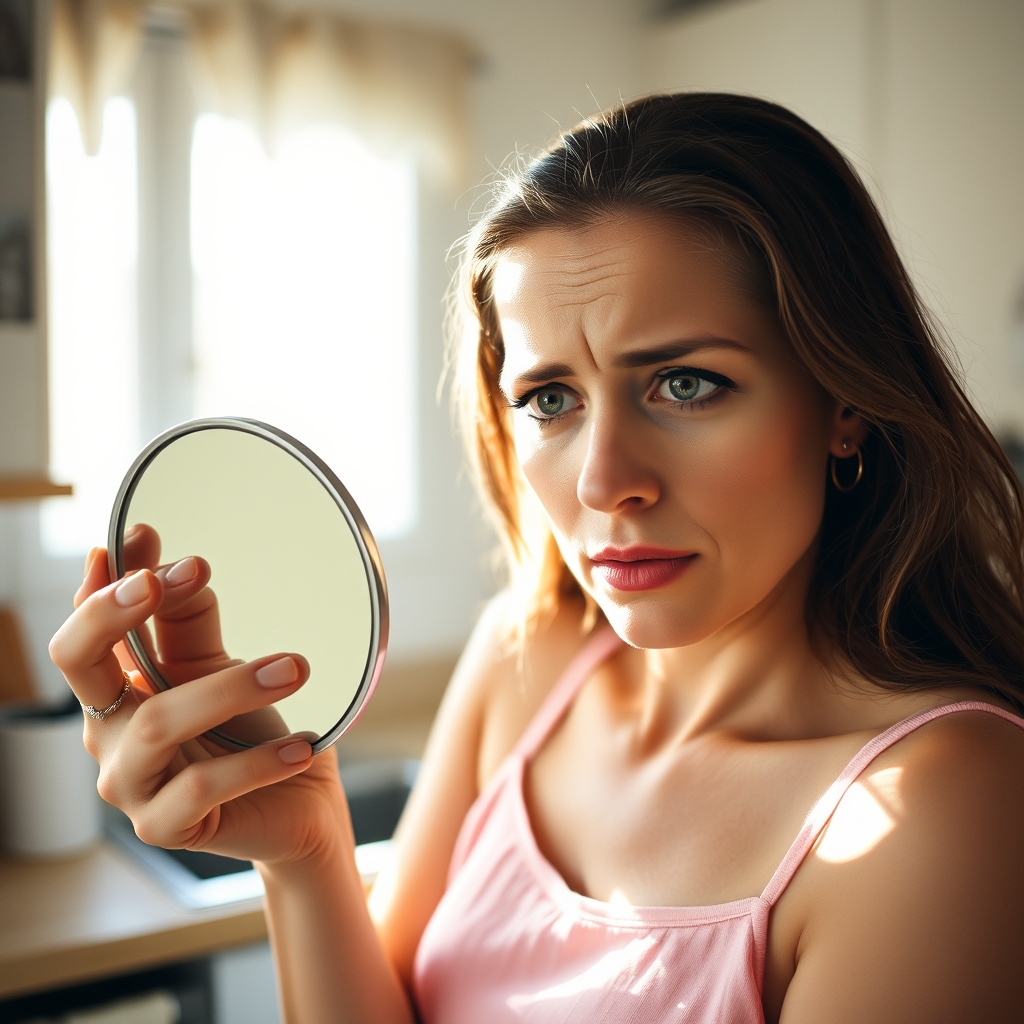
Explore what ‘cortisol face’ really means, the science behind facial puffiness, and practical steps you can take this week.
A viral phrase, a medical question
The phrase cortisol face has exploded across TikTok and Instagram, promising a quick visual clue to chronic stress. Understanding whether a rounder, puffier visage signals a hormone problem matters because it influences how people manage sleep, diet, and even medication.
According to Patient.info FeatureArticle, the term is a social‑media shorthand rather than a recognised medical diagnosis. Below we unpack the hormone, the real causes of facial puffiness, and what the NHS recommends if you’re worried.
What the term “cortisol face” actually describes
On platforms the label is used to explain a temporarily fuller‑looking face that some people attribute to high stress. In clinical practice the closest analogue is moon face, a classic sign of prolonged cortisol excess seen in Cushing's syndrome or long‑term high‑dose steroid therapy. The article makes clear that most users of “cortisol face” have neither condition. In short, the phrase mixes a legitimate sign of severe endocrine disease with everyday variations that have other explanations.
How cortisol works in the body and why short‑term spikes don’t reshape cheeks
Cortisol is produced by the adrenal glands, the small triangle‑shaped organs perched atop the kidneys. It follows a circadian rhythm, peaking about 30–45 minutes after waking to help you rise, then falling through the day and reaching its nadir around midnight. In response to acute stress – a deadline, a heated argument, or a sudden illness – cortisol surges for minutes to a few hours before returning to baseline.
These transient rises are essential; they mobilise glucose, maintain blood pressure and modulate inflammation. They do not sit in facial tissue. Only when cortisol remains chronically elevated, as in Cushing's syndrome, does it drive fat redistribution to the face, trunk and neck. The evidence suggests that everyday stress, which produces brief spikes, is insufficient to cause a lasting change in facial shape.
Common reasons for a puffy face – lifestyle versus medical causes
The article lists the everyday culprits that most readers will encounter:
| Cause | How it leads to puffiness | Typical duration |
|---|---|---|
| Poor sleep | Fluid balances shift when you lie still for long periods; waking up often restores the normal contour. | Hours to a day |
| High salt intake | Sodium prompts the kidneys to retain water, which can accumulate in soft tissue, especially around the eyes and cheeks. | Up to 24 hours after the meal |
| Alcohol | Acts as a diuretic then a rebound retain‑water phase, plus vasodilation that makes the face look flushed. | Several hours after drinking |
| Allergies / sinus congestion | Inflammatory mediators increase vascular permeability, allowing fluid to leak into tissues. | While exposure persists |
| Certain medications (e.g., oral steroids, some antihypertensives) | Directly influence fluid retention or mimic cortisol's effects. | As long as the drug is taken |
| Underactive thyroid (hypothyroidism) | Slows metabolism and reduces clearance of extracellular fluid. | Weeks to months until thyroid function normalises |
| Cushing's syndrome | Persistent cortisol excess drives adipose deposition in the face and other classic sites. | Months to years; progressive |
The pattern is clear: most puffiness is fluid‑related and reversible, whereas true cortisol‑driven facial change is slow and tied to a specific endocrine disorder.
Comparing self‑managed approaches with medical testing
When someone suspects a hormonal issue, the temptation is to buy a home‑test kit or rely on a single saliva sample. The source warns that a one‑off blood cortisol level is rarely useful because of the hormone's daily rhythm. Below is a concise comparison of the main diagnostic pathways recognised by the NHS.
| Test | What it measures | When it is appropriate | Practical considerations |
|---|---|---|---|
| Late‑night saliva cortisol | Cortisol concentration around 11 pm when levels should be low. | Screening when Cushing's syndrome is a clinical suspicion (e.g., characteristic facial rounding plus other signs). | Easy to collect at home, but must be done correctly and repeated for reliability. |
| 24‑hour urine free cortisol | Total cortisol excreted over a full day. | Confirmation of abnormal saliva or when symptoms are intermittent. | Requires a full day of urine collection; less convenient but more robust for fluctuating levels. |
| Overnight dexamethasone suppression test | Checks whether cortisol production is suppressible after a synthetic steroid dose. | Gold‑standard for diagnosing Cushing's syndrome. | Conducted in a clinic; involves taking dexamethasone at night and a morning blood draw. |
| No test – watchful waiting with lifestyle review | Observation of symptoms while adjusting sleep, diet, and stress management. | Most people with occasional puffiness and no other red‑flag features. | No cost, but may delay identification of rare endocrine disease if symptoms are subtle. |
The trade‑off is clear: self‑managed testing can give a false sense of certainty, while formal medical tests are more accurate but require clinician referral and follow‑up.
What could go wrong: pitfalls of DIY tests and unproven products
The article highlights several red flags:
- Home cortisol kits often provide a single snapshot. Without correlating the result to the time of day, medication, or acute stress, the reading can be misleading.
- Supplements marketed to “lower cortisol” – such as herbal blends containing ashwagandha – may modestly reduce perceived stress in small trials, but the evidence does not extend to reshaping the face or treating true cortisol excess. Quality control of herbal products is variable, and dosage is rarely standardised.
- “Cortisol cocktails” that mix orange juice, coconut water, salt and magnesium function mainly as electrolyte drinks. They rehydrate but do not reset adrenal function. Relying on them as a cure may postpone seeking proper medical advice.
- Self‑diagnosis based on selfies ignores the broader clinical picture. A rounded face could be a normal variation, a side‑effect of medication, or an early sign of hypothyroidism. Jumping to conclusions risks unnecessary anxiety or inappropriate medication changes.
In practice this usually means consulting a GP before buying a kit or starting a new supplement, especially if you have other symptoms such as unexplained weight gain, bruising, or menstrual changes.
Practical steps to try this week
Even if you’re not dealing with Cushing's syndrome, the lifestyle tweaks recommended by the GP in the source can reduce everyday facial puffiness and improve overall wellbeing:
- Aim for 7–9 hours of sleep – a consistent bedtime helps normalise the cortisol rhythm.
- Limit salty meals after 6 pm – a quick audit of processed foods and snack choices often reveals hidden sodium.
- Reduce evening alcohol – swapping a nightcap for a herbal tea can prevent the rebound fluid‑retention phase.
- Stay hydrated – drinking 1.5‑2 litres of water spread throughout the day supports fluid balance.
- Move a little each day – 30 minutes of moderate activity (a brisk walk, cycling, or home‑based strength routine) lowers stress‑induced cortisol spikes.
- Check your medications – if you’re on inhaled steroids, certain blood pressure drugs, or long‑term oral steroids, discuss potential side‑effects with your pharmacist or GP.
- Allergy control – an over‑the‑counter antihistamine or a prescribed nasal spray can clear sinus‑related swelling.
If after two weeks the puffiness persists, or you notice other signs such as a widening of the neck, easy bruising, or unexplained weight changes, book an appointment. A thyroid function test is often a sensible first step; it’s cheap, widely available on NHS labs, and can explain many facial changes that are wrongly blamed on cortisol.