Do blue‑light filters actually protect your eyes and sleep?
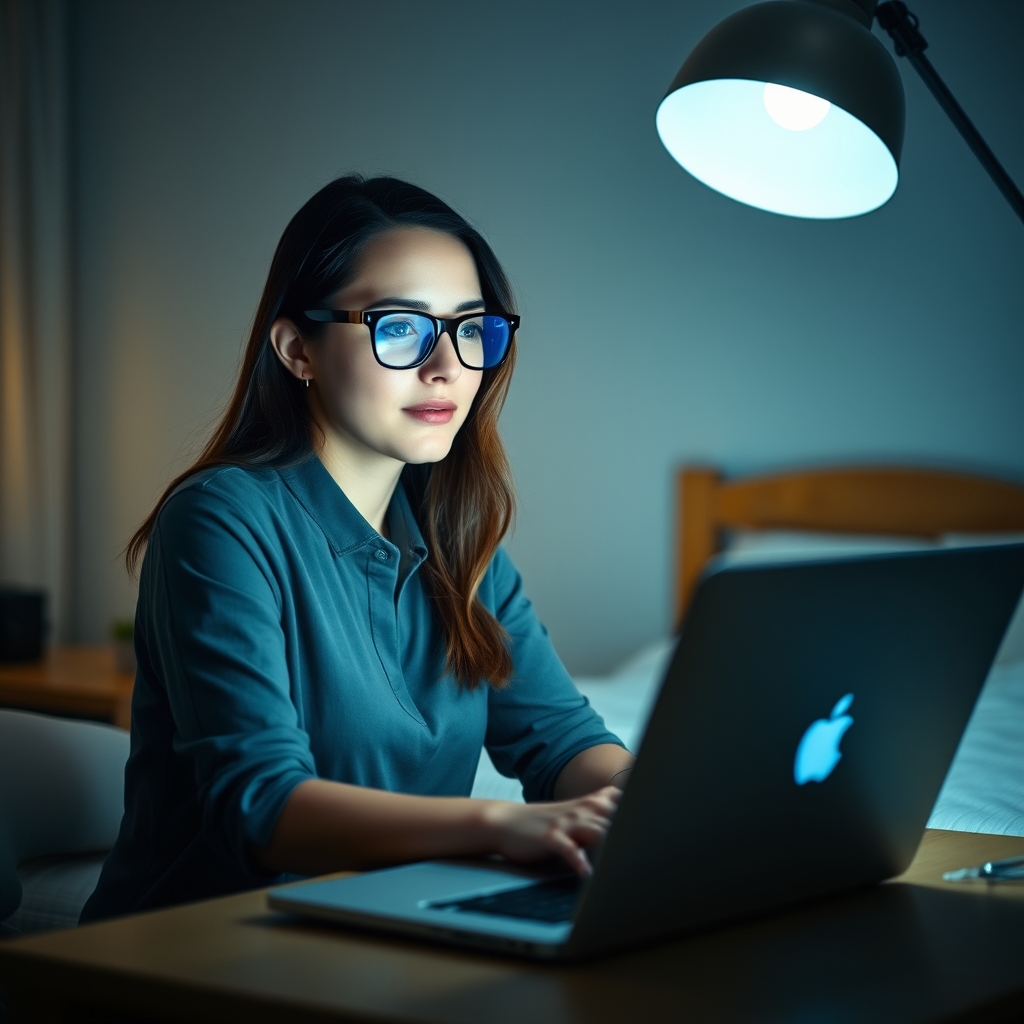
The evidence on blue‑light filters, eye strain and sleep is mixed. Find out how they work, what alternatives exist and a simple step to try this week.
Most of us now spend seven‑plus hours a day staring at phones, laptops or TV screens. All of those devices emit high‑energy visible (HEV) light, commonly called blue light, and a raft of products now claim to block it. The promise sounds reassuring – fewer headaches, better sleep and a lower risk of retinal damage – but the science is far from settled. Understanding what blue light does, how filters interact with our eyes, and what alternatives exist helps you decide whether the extra cost of specialised glasses or screen protectors is worthwhile.
According to Patient.info FeatureArticle, the article outlines the current debate, noting that around one‑third of visible light is blue and that the eye cannot filter it naturally. It also points out that the evidence for retinal protection is limited, while the link to digital eye strain and sleep disruption is clearer but still nuanced.
Background: sources of blue light and why it matters
Blue light is a short‑wavelength part of the visible spectrum (approximately 400‑500 nm). The sun is the dominant source, delivering far more blue photons than any artificial device. Modern screens add a small, steady trickle of blue light that can be measured in lux (lumens per square metre). Because the eye’s lens transmits blue wavelengths relatively unimpeded, this light reaches the retina – the light‑sensitive layer at the back of the eye.
The concern stems from two biological pathways. First, laboratory studies using very high intensities of blue light have shown oxidative stress that can damage retinal cells. Second, blue light is a potent regulator of the circadian system: specialised retinal ganglion cells contain the photopigment melanopsin, which signals the brain’s suprachiasmatic nucleus to suppress melatonin, the hormone that promotes sleep. In everyday life the exposure is far lower than the experimental doses that cause retinal injury, but the signalling effect on sleep is real.
The eye’s response: retina exposure versus digital eye strain
Retinal damage from blue light would require prolonged, intense exposure – for example, staring at a bright source for many hours a day over years. The Patient.info piece cites a study suggesting that blue‑light‑blocking glasses could prevent up to 80 % of such damage, but that figure comes from an in‑vitro model, not from long‑term human trials. Consequently, the claim that everyday screen use puts you at a high risk of permanent vision loss is not supported by current epidemiology.
A more immediate problem is digital eye strain, also called computer vision syndrome. When we focus on a screen we blink less, reducing the tear film that keeps the cornea moist. The resulting dryness can cause irritation, headaches, neck pain and occasional nausea. The source notes that there is no evidence that blue‑light filters alleviate these symptoms; instead, adjusting screen brightness, taking regular breaks and using lubricating eye drops are the interventions with proven benefit.
Evidence on filters protecting vision
The scientific literature on blue‑light filters can be split into three categories:
- Laboratory studies – expose retinal cells or animal eyes to high‑intensity blue light and observe oxidative damage. These studies provide a mechanistic rationale but use light levels far above everyday screen emission.
- Short‑term human trials – compare comfort, visual acuity or sleep quality while participants wear filtered glasses for a few days. Results are mixed; some report marginally reduced eye‑fatigue scores, others find no difference.
- Epidemiological data – large‑scale population studies tracking eye disease over decades. No robust association between regular screen use and age‑related macular degeneration has emerged, suggesting that any retinal risk from typical device use is minimal.
The trade‑off is therefore one of cost versus uncertain benefit. Premium blue‑light glasses can run £30‑£80, while inexpensive screen‑protecting films cost under £10. In practice, the evidence suggests you are unlikely to prevent a clinically significant eye disease by purchasing them, but you may experience a small subjective improvement in visual comfort – a placebo effect or a genuine reduction in glare, which is not specific to blue wavelengths.
Sleep and circadian rhythm: where filters can help
The link between evening screen exposure and delayed sleep onset is well‑documented. Blue wavelengths suppress melatonin more effectively than longer (red) wavelengths. A 2021 review found that using software night‑mode settings (which shift colour temperature toward the red end of the spectrum) reduced self‑reported sleep latency by about 15 minutes compared with unadjusted screens.
Physical filters – either clip‑on lenses or screen protectors that claim to block 30‑50 % of blue light – can achieve a similar spectral shift. However, the magnitude of melatonin suppression is dose‑dependent; a modest reduction in blue light may not be enough for heavy night‑owl users. The most reliable approach remains behavioural: dim ambient lighting, keep screens at least a metre away, and switch off devices at least 30 minutes before bedtime. If you must use a screen late, a combination of software night‑mode and a modest physical filter can provide an extra safety net.
Practical ways to limit blue light (and a quick comparison)
Below is a concise overview of the most common strategies, their typical effectiveness and any notable drawbacks.
| Strategy | How it works | Approx. blue‑light reduction* | Cost (UK) | Main pros | Main cons |
|---|---|---|---|---|---|
| Software night‑mode / ‘dark‑mode’ | Shifts display colour temperature to warmer tones (e.g., 3400 K) | 30‑40 % | Free (built‑in) | Easy to enable, no extra hardware | Reduces colour accuracy for work that needs true colours |
| Screen‑protecting film | Physical coating that absorbs part of the blue spectrum | 15‑25 % | £5‑£15 | No need to change settings, works for all apps | May affect screen clarity, can be scratched |
| Clip‑on blue‑light glasses | Lenses with a specialised coating that blocks blue photons | 20‑30 % | £20‑£40 | Portable, works with any device | Effect limited to visual comfort, not proven for eye‑health |
| Prescription blue‑light lenses | Integrated into glasses you already wear | 20‑35 % | £50‑£150 (incl. exam) | No extra device, useful if you already need glasses | Higher cost, must be ordered via optician |
| Behavioural changes (screen‑time limits, dim lighting) | Reduces total exposure and improves melatonin rhythm | Variable (depends on adherence) | Free | Addresses root cause, benefits overall health | Requires habit change, may be inconvenient |
*Reductions are based on manufacturer claims and independent lab measurements; real‑world values vary.
For most people, the simplest high‑impact step is to activate night‑mode on all devices after sunset and to keep the bedroom light dim. If you find the warmer hue uncomfortable for reading, a low‑cost screen film can be added without compromising clarity too much.
Gaps and cautions: what the research still doesn’t answer
The source itself admits that the effects of day‑to‑day blue‑light exposure are “not yet fully understood”. Several unanswered questions remain:
- Long‑term retinal outcomes – No prospective cohort has followed screen‑heavy users with and without filters for decades, so we cannot definitively say whether modest reductions in blue light alter the risk of age‑related macular degeneration.
- Individual susceptibility – Some people report heightened photophobia (light sensitivity) or migraine triggers from blue light. Whether filters provide a clinically meaningful benefit for these sub‑groups is unclear.
- Placebo and expectation effects – Studies that do not blind participants often show subjective improvements simply because users expect relief. Proper double‑blind trials are scarce.
- Impact on colour perception – Over‑filtering can distort colour rendering, which may be problematic for artists, designers or anyone who relies on accurate hues.
- Potential for over‑reliance – Believing that a filter alone solves eye‑strain may discourage healthier habits such as regular breaks (the 20‑20‑20 rule: every 20 minutes look at something 20 feet away for 20 seconds).
In practice, the safest stance is to view blue‑light filters as a modest aid rather than a cure‑all. Keep an eye on emerging research – a large‑scale, multi‑year trial funded by the NHS is slated to begin in 2027, which should clarify whether routine filter use has measurable health benefits.
What you can try this week
- Turn on the built‑in night‑mode or a reputable third‑party app (e.g., f.lux) on every device you use after 7 pm.
- Dim any overhead lights and replace bright bulbs with warm‑white (≈2700 K) LEDs.
- Set a timer to remind yourself to look away from the screen for 20 seconds every 20 minutes.
- If you still experience dry‑eye symptoms, buy a cheap screen‑film or clip‑on glasses and see whether comfort improves – note the difference for future decisions.
By adjusting habits first, you’ll know whether a filter adds any extra benefit before you spend money on specialised eyewear.