How Sleep Affects Your Skin – What the Evidence Actually Says
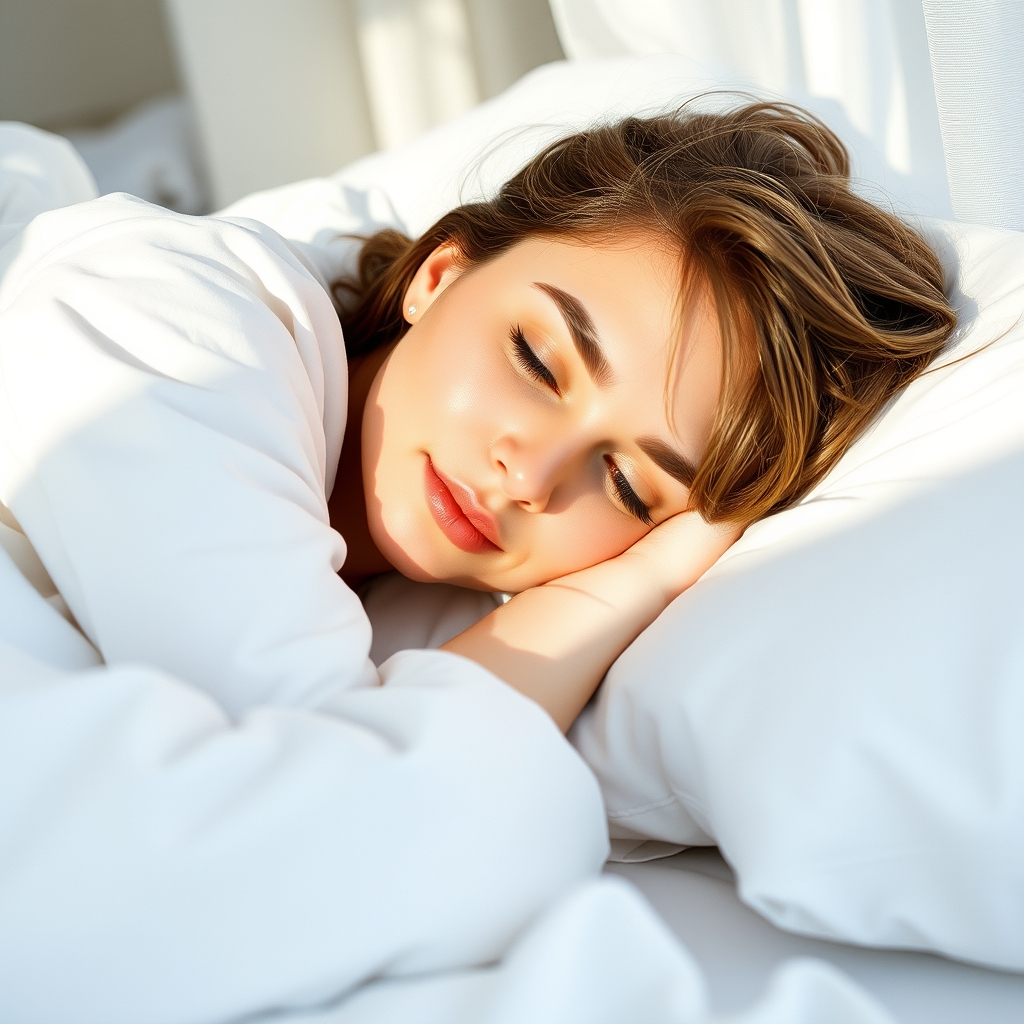
The evidence suggests good-quality sleep supports skin repair, barrier function and appearance. Learn the mechanisms, compare to creams and get practical tips.
Sleep isn’t just a nightly break – it’s a physiological process that can change how your skin looks and works. If you’ve ever heard the term “beauty sleep”, the science behind it is more than a marketing tagline. Understanding the link helps you decide whether a new serum or a better bedtime routine will give you the biggest benefit.
What the research says about sleep and skin
According to Patient.info FeatureArticle, good-quality sleep (about 7‑9 hours, one brief awakening at most, falling asleep within 20 minutes and waking feeling rested) is associated with stronger skin barrier recovery, less visible ageing and a better perception of attractiveness. In a study of good versus poor sleepers, the well‑rested group showed a 30 % greater recovery of the skin barrier and faster healing from UV‑induced erythema after 24 hours. One night of disrupted sleep was enough to raise signs of skin ageing, and chronic poor sleep correlated with higher inflammation and reduced elasticity.
How sleep supports skin at a cellular level
During the night the body cycles through distinct stages, each driven by the circadian clock – the internal time‑keeping system that regulates hormone release, metabolism and skin turnover.
- Somatotropin (human growth hormone) is released primarily in the first few hours of deep, slow‑wave sleep. It stimulates the production of new skin cells and repairs damage from daily UV exposure. Low levels of this hormone have been linked to dry, thin and pale skin.
- Melatonin peaks a couple of hours later. Though best known for signalling night to the brain, melatonin also acts as an antioxidant, neutralising free radicals that otherwise accelerate collagen breakdown and pigmentation.
- Collagen synthesis is most active during REM sleep, the stage characterised by rapid eye movements and vivid dreaming. Collagen provides structural support, smoothing fine lines and maintaining firmness. Studies show a strong correlation between reduced nighttime collagen production and aged‑looking skin.
These hormonal waves are interdependent: insufficient slow‑wave sleep blunts growth‑hormone release, which in turn can dampen melatonin’s antioxidant capacity, creating a cascade that weakens the skin’s repair machinery.
Sleep versus topical treatments – where does it fit?
The UK skincare market exceeds £3 billion, with most consumers spending on creams, serums and exfoliants. While a well‑formulated product can deliver ingredients like niacinamide or retinoids directly to the epidermis, they cannot replace the systemic processes that occur during sleep. In practice, good sleep enhances the skin’s ability to absorb and utilise these actives, whereas poor sleep can undermine even the most potent formulas.
| Aspect | Good sleep (7‑9 h, uninterrupted) | Poor sleep (<6 h or fragmented) |
|---|---|---|
| Skin‑barrier recovery | 30 % greater restoration after UV exposure | Slower repair, higher transepidermal water loss |
| Collagen production | Peak during REM, supports firmness | Diminished REM time → less collagen |
| Inflammation markers | Lower cortisol rise, reduced erythema | Higher cortisol, increased IL‑6, more redness |
| Perceived attractiveness | Higher self‑rating in surveys | Lower self‑rating, more visible ageing |
| Interaction with topicals | Improved penetration and efficacy | Barrier dysfunction limits absorption |
The trade‑off is clear: without the nightly hormonal surge, topical actives have a weaker foundation to work on. That doesn’t mean you should abandon creams, but prioritising sleep offers a cost‑free boost that many products try to mimic with expensive ingredients.
Who benefits most from prioritising sleep?
- Everyone – the average adult gains measurable improvements in barrier function and reduces long‑term ageing risk.
- People with eczema or atopic dermatitis – their skin barrier is already compromised. Better sleep can break the vicious cycle where itch leads to sleeplessness, which in turn worsens inflammation.
- Those with acne or rosacea – research shows poor sleep aggravates these conditions, likely via cortisol‑driven inflammation and altered sebum production.
- Night‑shift workers – irregular circadian rhythms blunt hormone spikes. Strategic sleep hygiene (consistent bedtime, blackout curtains) can partially restore the hormonal profile.
In practice, a patient with chronic eczema who adds a regular 8‑hour sleep window often reports fewer flare‑ups and a reduced need for topical steroids, although individual responses vary.
Potential downsides and unanswered questions
The evidence base is still developing. Most studies cited are short‑term laboratory experiments or small observational cohorts; large‑scale, long‑duration trials are scarce. Consequently, we cannot definitively claim that extra sleep will reverse deep‑line wrinkles or replace professional dermatological treatment.
Another gap is the role of sleep quality versus quantity. Some people achieve 8 hours but spend much of that time in light sleep, which may blunt hormone release. Wearable sleep trackers promise to quantify deep‑sleep phases, but their accuracy is debated, and relying on them could create anxiety – a paradoxical sleep‑disruptor.
Finally, the advice to “turn off phones” assumes that blue‑light exposure is the main culprit. For some, the mental stimulation of scrolling, not the light itself, drives insomnia. Research has yet to separate these mechanisms clearly.
Practical steps you can try this week
- Set a consistent bedtime – aim for 23:00 – 07:00, giving your body a regular cue for hormone release.
- Create a dark, quiet bedroom – use blackout curtains, earplugs or a white‑noise app.
- Ban screens 30 minutes before sleep – dim the lights, switch your phone to “night mode” or keep it in another room.
- Limit caffeine after 14:00 – the half‑life of caffeine is about 5 hours, so an afternoon coffee can linger into the night.
- Move during the day – moderate exercise (e.g., a 30‑minute walk) boosts deep‑sleep proportion, but avoid vigorous activity within two hours of bedtime.
- If you can’t sleep, get up – read a paperback or practice slow breathing (inhale 4 seconds, exhale 6 seconds) until you feel drowsy.
Implementing any two of these changes for the next seven nights will give you a measurable sense of whether your skin feels less tight, looks brighter, or simply feels more comfortable.