How to boost your veg intake without extra hassle
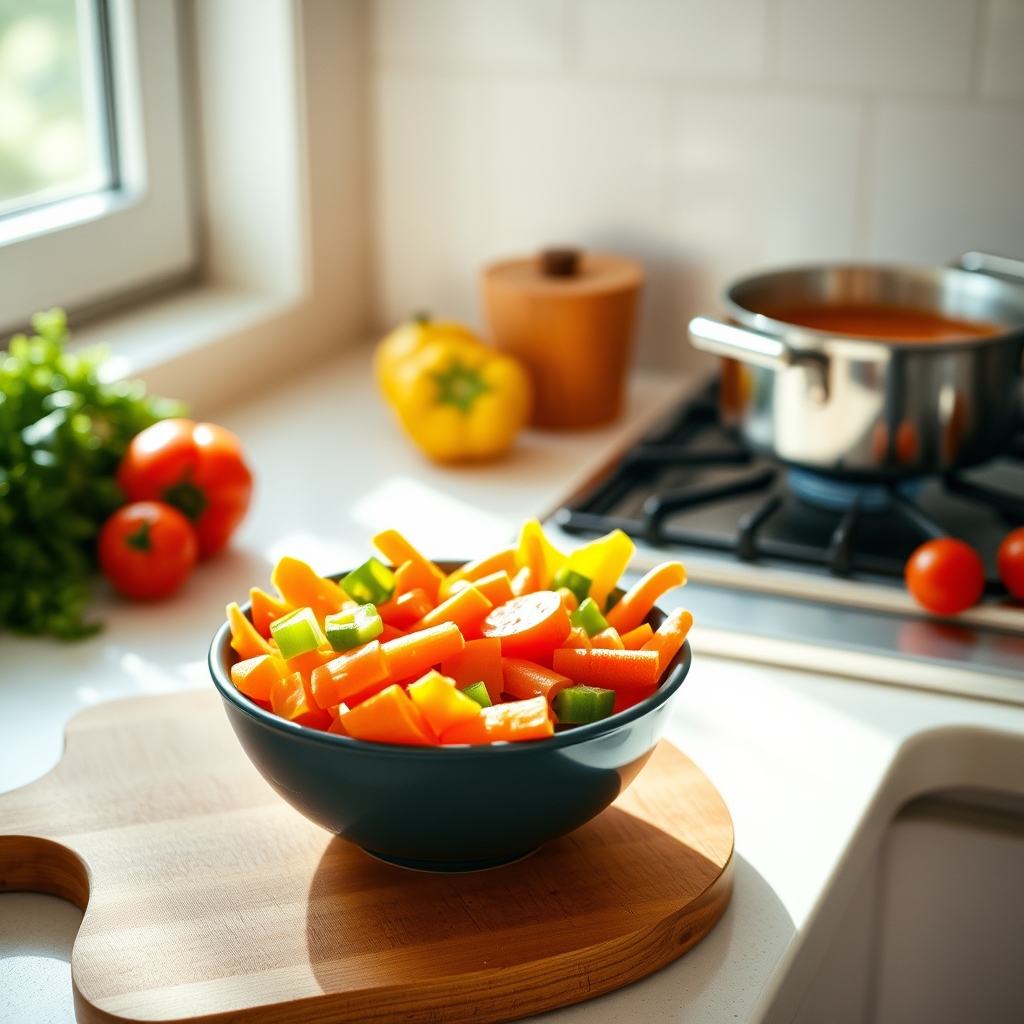
Practical, evidence‑based tips to add more fruit, veg and plant foods to your meals, even as crops lose nutrients, with a simple weekly action plan.
According to Health, a new report finds that crops such as carrots, apples and peas contain 20‑50 % fewer nutrients than in the 1960s, prompting calls for higher plant intake. The evidence suggests that eating more vegetables can offset the loss, but many people feel the goal of ten portions a day is out of reach. Below is a calm, step‑by‑step guide that translates the research into everyday actions.
Why the nutrient drop matters and what we already know
The decline in soil quality means each bite delivers fewer vitamins and minerals, yet the overall dietary pattern in the UK has not improved. The 2023 National Diet and Nutrition Survey showed only 17 % of adults meet the five‑a‑day recommendation, which already includes beans and pulses. The evidence suggests that even a modest increase – say from five to seven portions – can provide a measurable boost in micronutrient intake, especially for leafy greens that are naturally dense in vitamin K, folate and iron.
The biological logic of “more veg, better health”
Plants supply essential micronutrients, fibre and phytochemicals that support gut health, blood‑pressure regulation and insulin sensitivity. When the nutrient concentration per gram falls, the absolute amount of each vitamin a person receives can be maintained by simply eating a larger volume. For example, if a carrot now contains 30 % less beta‑carotene, eating two carrots instead of one restores the original vitamin A provision. This trade‑off is straightforward: higher quantity compensates for lower density, provided the extra food is not displacing other healthy choices.
Practical ways to reach half‑plate veg without overhauling meals
| Strategy | Typical cost (per week) | Nutrient retention | Convenience |
|---|---|---|---|
| Fresh leafy greens (e.g., spinach, kale) | £3‑£5 | High when eaten raw or lightly steamed | Requires washing and chopping |
| Frozen mixed veg (e.g., peas, broccoli) | £2‑£4 | Comparable to fresh; freezing locks in nutrients | Ready‑to‑heat, long shelf‑life |
| Canned beans (standard) | £1‑£2 | Good, but some B‑vitamins leach into liquid | Quick, but needs draining |
| Pre‑soaked, slow‑cooked beans (premium brand) | £4‑£5 | Very high – phytates reduced | Higher price, ready‑to‑use |
| Dried seaweed (nori sheets) | £2‑£3 | Excellent source of iodine, iron, calcium | Small portions, easy storage |
- Half‑plate rule – At each main meal, aim for 50 % of the plate to be veg. This can be achieved by adding a generous spoonful of frozen peas to a stir‑fry, or topping a pasta dish with a quick sofrito of onions, carrots and celery.
- Swap protein sources – Replace half the meat in a chilli with lentils or black beans. The protein contribution remains, while the fibre and mineral content rise.
- Soup and stew as veg catch‑all – Throw any wilted leaves, carrots or courgettes into a pot of soup; the cooking liquid retains leached vitamins, especially when the broth is consumed.
- Herb bursts – Fresh parsley, watercress or basil add micronutrients and flavour with minimal volume. A handful of chopped herbs per serving delivers measurable vitamin C and K.
- Seaweed sprinkle – A single nori sheet in a rice bowl or a pinch of dulse powder in a smoothie supplies iodine, a mineral that has become scarcer in UK soils.
- Soak beans – Soaking dried beans overnight reduces phytates, which otherwise bind zinc and iron. Rinse and cook slowly for maximal mineral absorption. If time is short, keep a jar of pre‑soaked beans from a specialist supplier, acknowledging the higher price.
- Choose whole grains – Switch white rice or pasta for brown varieties; the extra fibre supports nutrient uptake and stabilises blood sugar.
Who gains and who may struggle
The approach benefits most adults, particularly those with borderline hypertension, elevated cholesterol or pre‑diabetes, because the extra fibre and potassium help lower blood pressure and improve insulin response. Young, active people already meeting five‑a‑day may see marginal gains but still benefit from increased variety, which broadens the spectrum of phytonutrients. Conversely, low‑income households face the price gap highlighted by the Food Foundation: healthier foods can cost up to 85 % of disposable income for the poorest families. Frozen veg and bulk dried beans provide a cheaper route, but the upfront cost of pre‑soaked beans or specialty seaweed may be prohibitive. The evidence suggests that policy changes – such as subsidising frozen veg or improving shelf‑stable options – would help close this gap.
What could go wrong or remains uncertain
- Cooking losses – Boiling can destroy up to 30 % of vitamin C and many B‑vitamins, which leach into the water. The guidance here is to use minimal water, steam, or stir‑fry whenever possible. However, some nutrients (e.g., iron in spinach) become more bioavailable after cooking, so a mixed approach is sensible.
- Anti‑nutrients in beans – Soaking reduces phytates, yet not all commercial canned beans are pre‑soaked. The trade‑off is convenience versus maximal mineral uptake; the practical advice is to drain and rinse canned beans, then add a splash of lemon juice to aid iron absorption.
- Organic vs conventional – Current research does not show a consistent nutrient advantage for organic produce, though pesticide residues may affect the body’s detox pathways. The uncertainty means organic is a personal choice rather than a nutritional necessity.
- Over‑reliance on processed veg – Ready‑made vegetable mixes often contain added salt or sugar. Selecting low‑sodium or unsweetened versions is essential to avoid negating the cardiovascular benefits of higher veg intake.
- Seasonality and freshness – Nutrient degradation accelerates after harvest. While frozen veg can retain nutrients better than long‑stored fresh produce, the exact loss rates vary by type and storage conditions, an area where more data would be valuable.
A simple weekly challenge
- Monday‑Friday: At dinner, fill half the plate with veg. Use frozen peas, spinach or a quick sofrito to meet the target without extra prep.
- Saturday: Make a large batch of bean soup using soaked lentils, a handful of chopped herbs and any leftover veg. Freeze portions for later in the week.
- Sunday: Add a seaweed snack (e.g., nori) to a salad or rice dish, and swap one meat portion for beans in a favourite recipe.
- Every day: Keep a bowl of mixed frozen veg in the freezer and a tin of beans in the pantry. When a meal feels short on veg, toss a handful into the pan. By the end of the week you will have added at least two extra portions of fruit or veg to your diet, without spending more than £5‑£7 on additional ingredients.