How to Keep Your Hearing Safe on Bonfire Night
Practical steps to protect your hearing this Bonfire Night, based on evidence and NHS guidance.
Why firework noise matters
Bonfire Night brings spectacular light shows, but the explosions can reach sound levels that threaten long‑term hearing. A single, very loud blast can cause permanent damage, and repeated exposure over the evening adds up. Protecting your ears now can prevent a gradual decline that might only become noticeable years later.
How loud sounds damage the ear
The inner ear contains delicate hair cells that translate sound‑induced vibrations into electrical signals for the brain. When a sound exceeds the ear's mechanical limits—roughly 120 dB for an instant—the rapid movement can tear or fatigue these cells. Unlike most body cells, hair cells do not regenerate, so loss is permanent. Even sounds that fall below the immediate‑damage threshold can cause metabolic stress; repeated exposure above about 85 dBA leads to oxidative damage and eventual cell death. This explains why a brief, extremely loud blast can produce an instant hearing deficit, while a night of loud music can leave a subtle, cumulative loss.
What the evidence says about safe levels
The source notes several key thresholds:
- 120 dB – CDC cites this as the level at which immediate, irreversible injury can occur; only seven seconds at this intensity is enough to risk permanent loss.
- 70 dB – Below this, the evidence suggests hearing loss is unlikely for typical exposure periods.
- 85 dBA – Prolonged or repeated exposure above this level is associated with gradual loss.
- Legal UK fireworks limit – Set at 120 dB, matching the CDC's immediate‑harm threshold, but many displays exceed this, with peak readings reported up to 160 dB.
- Recovery time – After a loud episode, the ear needs roughly 16 hours before it can tolerate another loud exposure without added risk. These figures line up with NHS guidance that recommends limiting exposure to loud environments and using hearing protection when limits are approached.
Practical ways to protect your hearing
- Keep your distance – Standing 15‑20 m away from a public display reduces the sound pressure considerably; for children, aim for 50‑60 m because their auditory system is more vulnerable.
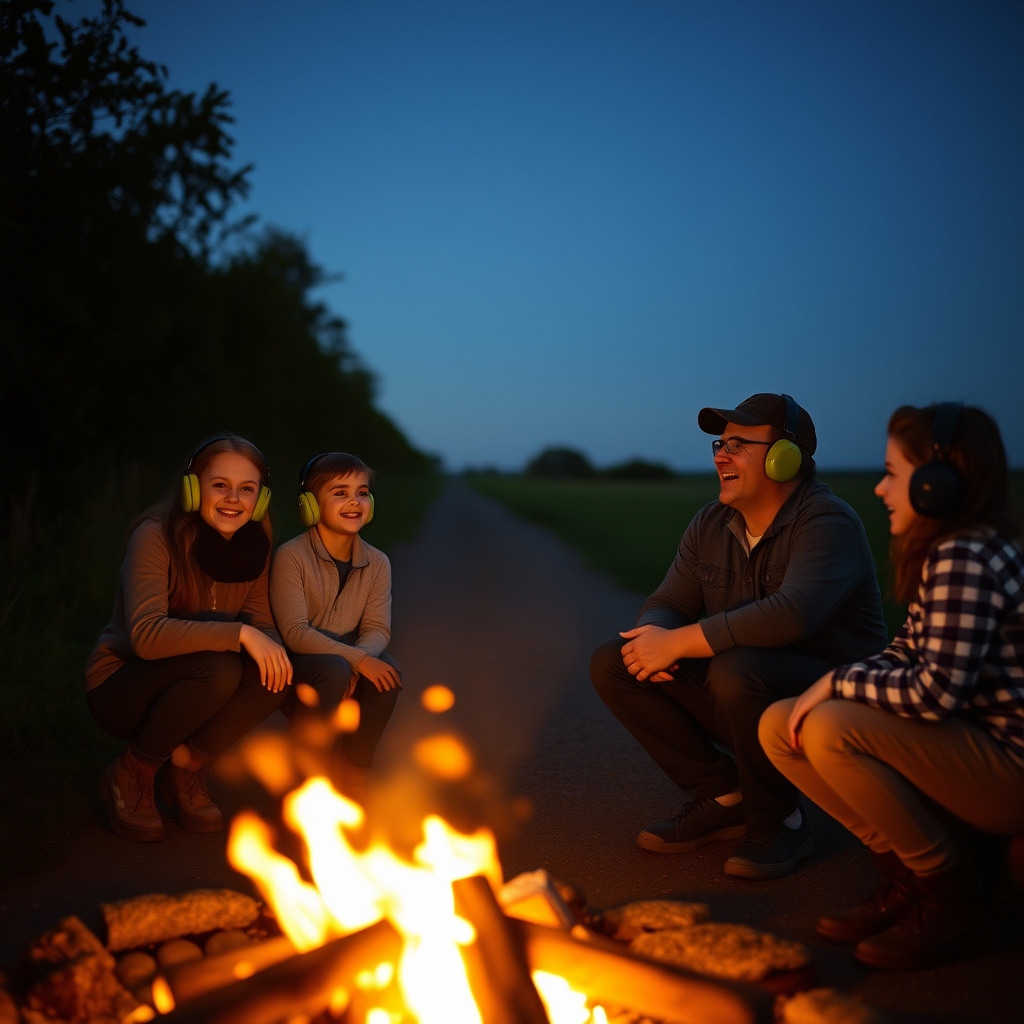
- Wear appropriate protection – Earplugs, earmuffs, or noise‑cancelling headphones can lower the received level by 15‑30 dB if fitted correctly. The protection must stay on for the whole duration of the fireworks.
- Use child‑specific defenders – Small‑size earplugs or earmuffs designed for infants and toddlers provide the right fit and attenuation.
- Create a buffer – If you find yourself too close, cup your hands over your ears and move away as quickly as possible.
- Consider quieter alternatives – Some suppliers now offer “low‑noise” fireworks that stay under 100 dB, and indoor firework simulations can deliver visual excitement without the acoustic risk.
- Plan post‑event recovery – After a night of loud exposure, avoid other noisy activities (e.g., concerts, loud gyms) for at least 16 hours to give the inner ear a chance to recuperate.
Comparing ear‑protection options
| Option | Typical attenuation (dB) | Ease of use | Cost (UK) | Best for |
|---|---|---|---|---|
| Disposable foam earplugs | 15‑25 | Very easy, single‑use | £0.10‑£0.30 each | Quick outdoor use, children |
| Pre‑shaped silicone earplugs | 20‑30 | Moderate (requires insertion) | £1‑£3 per pair | Adults who want reusable protection |
| Over‑the‑ear earmuffs | 20‑30 | Easy, covers whole ear | £5‑£20 | Long exposure, people with glasses |
| Noise‑cancelling headphones | 15‑25 (active) + passive | Requires battery, fit important | £30‑£200 | Music lovers who also want hearing protection |
| No protection | 0 | None | £0 | Not recommended for any close display |
The trade‑off is mainly between attenuation and convenience. Foam plugs are cheap and portable but can be uncomfortable if inserted incorrectly. Earmuffs provide consistent coverage but may be hot in cold November weather. Noise‑cancelling headphones offer dual benefits (music and protection) but rely on batteries and proper seal.
What could still go wrong
Even with the right gear, several pitfalls remain:
- Incorrect fit – An earplug that is too shallow or an earmuff that sits loosely will let in more sound than advertised, reducing the protective effect.
- False sense of safety – Wearing protection may lead some to linger closer to the fireworks than advisable, thinking the plugs are enough. Distance still matters because extremely high peaks (up to 160 dB) can overload even the best consumer‑grade protectors.
- Underlying ear conditions – People with pre‑existing otologic issues (e.g., otitis media, previous perforated eardrum) are at higher risk; they should consult a GP before attending any loud event.
- Post‑event exposure – The 16‑hour recovery window is often overlooked; returning to a noisy pub or a home with a high‑volume TV can compound damage.
- Children’s compliance – Young kids may remove plugs out of curiosity, so adult supervision is essential throughout the display.
These gaps mean the advice in the source is a starting point, not a guarantee of safety. Monitoring your own hearing and staying aware of the environment are still key.
A simple action for this week
Buy a pack of high‑attenuation foam earplugs (or reusable silicone ones) and keep them in your bag. The next time you hear a firework or attend a noisy gathering, make a habit of inserting them before you get within 20 m of the source. Over a month, you’ll notice the habit reduces the need to shout to be heard and protects your hearing long term.