What continuous blood pressure wearables mean for everyday monitoring
Explore how cuffless wearables like Hilo track blood pressure day and night, and what the evidence suggests for UK adults.
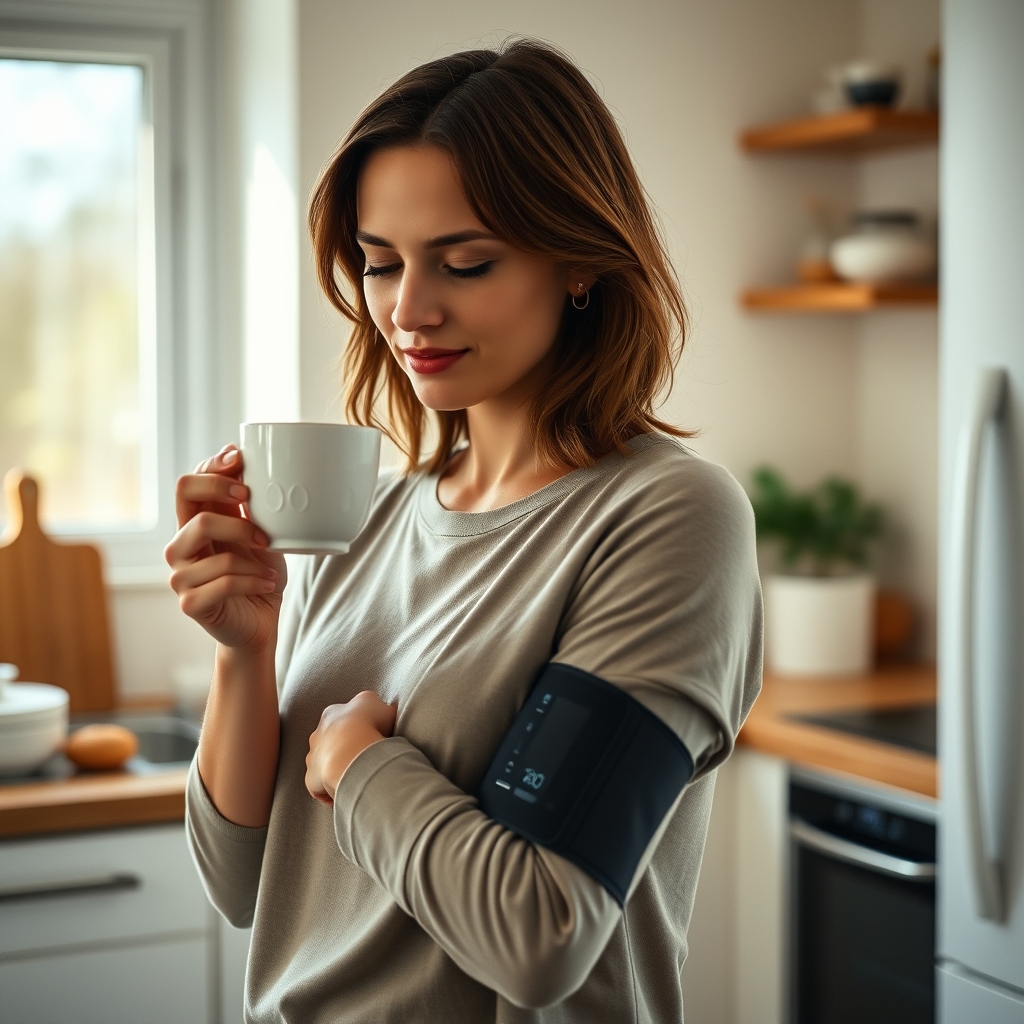
According to Patient.info FeatureArticle, a new cuffless wearable called Hilo can record blood pressure automatically throughout the day and night, delivering around 35 readings each 24‑hour period. The evidence suggests that having a fuller picture of how pressure moves could help people and clinicians spot patterns that a single clinic measurement would miss.
Why blood pressure isn’t a single number
Blood pressure fluctuates in response to posture, activity, stress, caffeine, sleep and many other everyday factors. A reading taken while you sit quietly in a GP’s surgery reflects only the moment you are measured. Some people experience higher numbers at the clinic – the classic "white‑coat hypertension" – while others show normal clinic values but elevated pressures at home, a pattern called "masked hypertension". Both patterns are associated with higher cardiovascular risk because they hide periods of sustained pressure elevation.
During a typical night, most healthy adults experience a 10–20 % drop in systolic and diastolic pressure, a phenomenon known as nocturnal dipping. The drop is part of the body’s circadian rhythm and is thought to give the cardiovascular system a chance to recover. When the dip is blunted or reversed (so‑called "non‑dipping" or "rising" night‑time pressure), research has linked the pattern to increased risk of stroke and heart attack. In practice this means that a single daytime reading cannot tell you whether you are a dipper, a non‑dipper, or a night‑time hypertensive.
How cuffless wearables try to measure pressure
Hilo’s wrist‑band uses optical sensors to detect pulse wave characteristics – essentially the shape of the pressure wave that travels through your arteries with each heartbeat. By analysing the time it takes for the wave to travel between two points (pulse transit time) and combining that with a calibration from a traditional upper‑arm cuff, the device estimates systolic and diastolic values. The manufacturer states that the band recalibrates every 30 days using the cuff, a step needed because the relationship between pulse transit time and actual pressure can shift with changes in arterial stiffness, skin temperature or sensor position.
The underlying assumption is that once calibrated, the optical signal provides a reliable proxy for cuff pressure. The evidence suggests that such proxy methods work reasonably well in controlled studies, but accuracy can degrade outside the laboratory – for example when the band moves during exercise or when the wearer’s wrist is very cold. The algorithm also excludes readings taken when conditions are unsuitable (e.g., rapid movement), which reduces the number of usable data points but helps keep error rates lower.
Comparing the main ways to monitor blood pressure
| Method | Typical setting | Frequency of readings | Main advantages | Main disadvantages |
|---|---|---|---|---|
| Clinic (office) cuff | GP surgery, pharmacy | One‑off or occasional | Professional oversight, standardised technique | White‑coat effect, infrequent, snapshot only |
| Home manual cuff | Living room, bedroom | Daily or several times a week | Familiar environment, can track trends | Requires user to sit still, manual operation |
| 24‑hour ambulatory monitor | Portable cuff worn for 24 h | Automatic every 15–30 min (day), 30–60 min (night) | Captures day‑night pattern, gold‑standard for dipping | Bulky cuff inflates periodically, may disturb sleep |
| Cuffless wearable (e.g., Hilo) | Wrist band, everyday wear | Up to 35 times a day, including sleep | No cuff inflation, comfortable, long‑term data | Needs periodic cuff calibration, accuracy still under review |
The table shows that each method balances convenience against measurement fidelity. The wearable fills a niche between the convenience of a home cuff and the comprehensive data of a 24‑hour ambulatory monitor, but it does not yet replace the clinical validation of the latter.
Who stands to benefit and who might be left out
For patients who struggle with regular cuff use – for example older adults with arthritis or people who find the cuff inflations uncomfortable – a lightweight wearable could increase adherence to monitoring. The NHS already recommends a five‑yearly check for adults over 40; having more granular data could help GPs decide whether a patient needs medication sooner, potentially preventing heart attacks or strokes.
Clinicians may welcome richer data, but they also face the challenge of interpreting large streams of numbers. Without clear guidelines on what constitutes a clinically significant variation in wearable‑derived readings, doctors could be inundated with information that does not change management. The trade‑off here is between patient empowerment and the risk of over‑medicalising normal fluctuations.
From a system perspective, the NHS could see cost savings if earlier detection reduces hospital admissions, but only if the devices prove accurate enough to avoid false positives that lead to unnecessary medication. Manufacturers gain a market for a product that sits at the intersection of consumer tech and medical device, but they also bear the regulatory burden of demonstrating safety and efficacy.
Potential pitfalls and unanswered questions
The biggest open question is accuracy in real‑world use. The source notes that Hilo is "clinically validated", yet it does not provide the specific validation study, sample size or comparison metrics. Without that detail, the evidence remains thin about how the device performs across different skin tones, wrist sizes, or in people with arrhythmias.
Calibration drift is another concern. Recalibrating every 30 days assumes users will have access to a validated cuff and will follow the schedule. Missed recalibrations could cause systematic bias that the user would not notice because the device continues to display numbers that appear plausible.
Data privacy is mentioned only briefly. Continuous health data are sensitive, and the pathway from the wrist band to the smartphone app and then to any cloud server needs robust encryption and clear consent. If privacy safeguards are weak, the very people the device aims to help could become vulnerable.
Finally, there is the behavioural aspect. Seeing many numbers each day might prompt some users to become obsessive, checking the app repeatedly and experiencing anxiety over normal variation. Conversely, users might develop a false sense of security if the device shows "good" numbers while an undetected calibration error hides true hypertension.
A simple step you can take this week
If you currently use a home cuff, try recording the time of each reading for three consecutive days and note any activities that preceded the measurement (e.g., after coffee, after a walk, before bed). Bring the log to your next GP appointment and ask whether the pattern suggests you might benefit from a 24‑hour monitor or a wearable. This small habit adds context to the numbers without any extra cost.