How to Strengthen Your Core at Home: What Works, What to Watch Out For
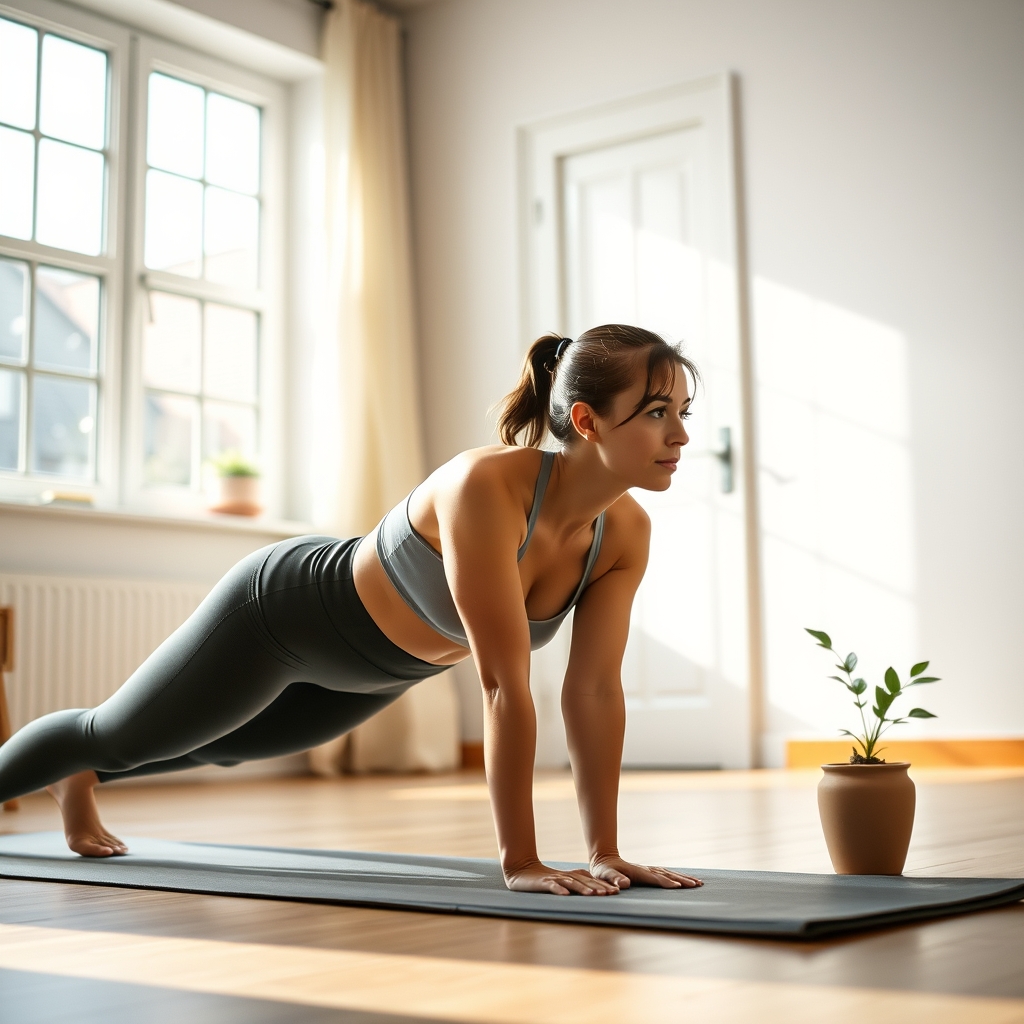
Learn evidence‑based ways to build core strength at home, compare exercises, and avoid common pitfalls – plus a simple plan you can try this week.
When you hear "core training" you might picture six‑pack abs, but the reality is broader: a strong core underpins balance, posture and everyday movements. Strengthening it at home can reduce back pain, improve stability and make daily tasks feel easier.
What the core actually is
The core is not just the front of the stomach. It is a network of muscles that surround the trunk, including the transverse abdominis, multifidus, external and internal obliques, erector spinae, diaphragm, pelvic floor, rectus abdominis and supporting muscles such as the glutes, lats and trapezius. These muscles keep the spine stable, protect internal organs and transfer force between the upper and lower body. When they work together, you can lift, twist, bend and stand without over‑loading any single joint.
How core muscles work together
Think of the core as a scaffolding system. The deepest layer – the transverse abdominis – acts like a natural corset, tightening around the waist to stabilise the lumbar spine and pelvis. The multifidus runs alongside the spine, providing segmental stability. The obliques and rectus abdominis generate flexion and rotation, while the erector spinae extends the back. The diaphragm and pelvic floor link breathing to movement, creating intra‑abdominal pressure that stiffens the torso during heavy lifts or sudden shifts. When one part is weak, the others compensate, often leading to poor posture or low‑back pain.
Choosing the right exercises
A balanced programme hits all these muscle groups. Below is a quick comparison of the most commonly recommended home moves, drawn from the Patient.info feature.
| Exercise | Primary muscles targeted | Typical load (no equipment) | Difficulty progression | Why it matters |
|---|---|---|---|---|
| Sit‑up | Rectus abdominis, hip flexors, lower back | Body weight | Add dumbbell, increase reps, slower tempo | Engages the full front chain, but stresses the lumbar spine if form lapses |
| Crunch | Upper rectus abdominis | Body weight | Add weighted plate, longer hold | Isolates upper abs; less spinal load than sit‑ups |
| Plank | Transverse abdominis, multifidus, shoulders | Body weight | Extend time, lift a leg, use a balance board | Static hold that trains spinal stabilisers and improves endurance |
| Leg raise | Lower rectus abdominis, hip flexors | Body weight | Add ankle weight, raise higher, slower descent | Directly challenges lower abdominal control and hip mobility |
| Russian twist | Obliques, transverse abdominis, hip rotators | Body weight | Hold a kettlebell, increase angle, slower twist | Improves rotational stability important for sports and daily reaching |
| Pilates (e.g., hundred) | Whole core, especially deep stabilisers | Body weight, small props | Increase tempo, add resistance bands | Emphasises breath‑linked control and spinal alignment |
The evidence suggests that mixing static holds (plank) with dynamic moves (sit‑up, leg raise) gives the most comprehensive stimulus. Static holds develop endurance of the deep stabilisers, while dynamic exercises build strength and coordination.
Adding load and equipment: trade‑offs
The Patient.info article notes that a dumbbell in a sit‑up or a balance board under a plank "increases difficulty". Adding weight does raise the mechanical demand on the targeted muscles, which can accelerate strength gains. However, the trade‑off is a higher risk of lumbar strain, especially for beginners who lack baseline stability.
In practice this usually means:
- Start with body‑weight versions until you can hold a plank for at least 45 seconds with a neutral spine.
- Introduce light dumbbells (1–2 kg) for sit‑ups only after mastering the movement pattern.
- Use a balance board or BOSU ball once you can maintain a plank without sagging or rotating the hips.
The NHS recommends progressing gradually and listening to pain signals – a sharp ache in the lower back is a warning sign to reduce load or return to a simpler variation.
What could go wrong or where the evidence is thin
The article lists several red‑flag symptoms of a weak core – lower‑back pain, poor posture, shortness of breath and imbalance. While these associations are plausible, the source does not provide quantitative data linking a specific core‑strength test to reduced injury risk. Moreover, many studies on core training focus on athletes; evidence for the general adult population is less robust.
Potential pitfalls include:
- Over‑reliance on abdominal isolation – doing endless crunches without addressing the back extensors or glutes can create muscular imbalances.
- Neglecting breathing – the diaphragm is part of the core, yet most home guides ignore coordinated breath work, which can limit intra‑abdominal pressure benefits.
- Progression too fast – adding weight before mastering form often leads to lumbar hyperextension or hip flexor overuse.
- One‑size‑fits‑all programmes – individuals with pre‑existing spinal conditions may need modified movements (e.g., bird‑dog instead of leg raises).
Until larger, community‑based trials compare different home programmes, the claim that core training "reduces falls" remains a reasonable hypothesis rather than a proven fact.
A simple plan for this week
Pick three days (e.g., Monday, Wednesday, Friday) and follow the routine below. All moves are body‑weight; you only need a yoga mat.
- Warm‑up (5 min) – brisk walk or marching in place, plus gentle trunk rotations.
- Plank – 3 × 30 s – keep a straight line from head to heels; if you can’t hold 30 s, aim for 15 s and build.
- Sit‑up – 2 × 10 – focus on smooth movement; avoid pulling on the neck.
- Leg raise – 2 × 8 – keep lower back pressed to the mat; bend knees if needed.
- Russian twist – 2 × 12 (each side) – sit upright, feet on the floor, rotate torso.
- Cool‑down (3 min) – deep diaphragmatic breaths, gentle cat‑cow spinal mobilisations.
If any exercise causes sharp pain, stop and replace it with a gentler alternative (e.g., bird‑dog for core stability). Over the next week, note how your posture feels when you sit at a desk or lift groceries – small improvements often appear before you see visual changes.