Can Pilates Calm Your Nervous System? What the Evidence Suggests
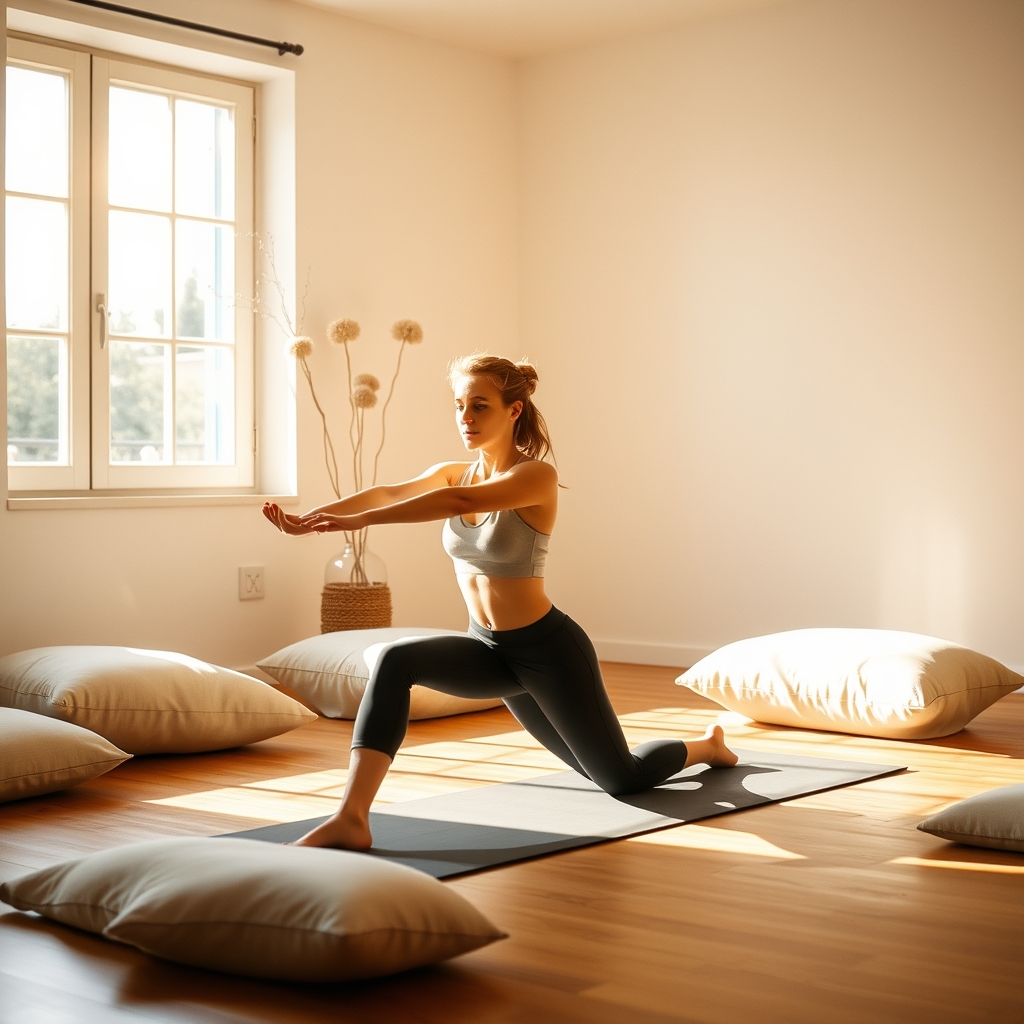
Explore how gentle Pilates may shift the autonomic balance, how it stacks up against other movement options, and a simple plan to try this week.
According to Patient.info FeatureArticle, Pilates is promoted as a way to move the body out of a chronic "fight‑or‑flight" state and toward a calmer, more regulated condition. The claim matters because many of us spend hours each day in a heightened sympathetic mode –‑ from demanding jobs to constant screen time –‑ and the downstream effects on sleep, digestion and mood are increasingly recognised by the NHS.
How the autonomic nervous system works
The autonomic nervous system (ANS) has two branches. The sympathetic side fires the "fight‑or‑flight" alarm: heart rate rises, breathing becomes shallow, and muscles tighten. The parasympathetic side, often called "rest‑and‑digest", does the opposite –‑ slowing the heart, deepening breaths and promoting digestion. A healthy nervous system shifts fluidly between the two; chronic sympathetic dominance can keep cortisol and adrenaline elevated, leading to fatigue, jaw tension, and disrupted sleep.
Why Pilates might tip the balance
Pilates combines three core elements that the source highlights as nervous‑system regulators:
- Gentle stretching – lengthens tight muscle fibres, reducing proprioceptive signals that the brain interprets as threat.
- Mindful movement – encourages slow, purposeful actions that keep the brain focused on present‑body cues rather than imagined dangers.
- Controlled breathing – especially a prolonged exhale, stimulates the vagus nerve, the main parasympathetic conduit, which can lower heart rate and signal safety to the brain.
The vagus nerve is a long cranial nerve that runs from the brainstem to the abdomen. When we exhale slowly, mechanoreceptors in the lungs send afferent signals via the vagus, prompting the nucleus tractus solitarius in the brainstem to increase parasympathetic outflow. In practice, this means a measurable reduction in heart rate variability (HRV) – a marker of stress resilience.
How Pilates stacks up against other movement choices
| Activity | Typical intensity | Primary mechanism for nervous‑system regulation | Typical session length | NHS recommendation for stress reduction |
|---|---|---|---|---|
| Gentle Pilates (mat or floor) | Low (≈30 % VO₂ max) | Slow breath, spinal articulation, proprioceptive focus | 20–45 min | Supported by NHS "Move More, Stress Less" guidance |
| High‑intensity interval training (HIIT) | High (≈80 % VO₂ max) | Post‑exercise parasympathetic rebound, endorphin release | 15–30 min | Effective for cardiovascular health, but may add acute stress |
| Static stretching / yoga | Low‑moderate | Lengthening of muscle‑tendon units, breath‑guided relaxation | 10–60 min | Recommended for flexibility and mindfulness |
The table shows that while HIIT can improve overall fitness, it may initially amplify sympathetic activation –‑ a potential problem for someone already feeling "wired". Pilates, by contrast, offers a built‑in down‑regulation cue through the breath‑exhale‑vagus pathway, aligning more directly with the goal of shifting toward parasympathetic dominance.
Who stands to gain – and who may see limited benefit?
- People with chronic tension, poor sleep, or anxiety – the evidence suggests that the combination of gentle movement and extended exhalation can reduce muscle guarding and improve HRV, making Pilates a low‑risk entry point.
- Athletes or those who thrive on high‑intensity workouts – they may still benefit from Pilates for mobility and recovery, but the calming effect will be secondary to performance gains.
- Individuals with specific musculoskeletal injuries – a physiotherapist‑led Pilates programme can provide safe loading, yet those with severe spinal instability should seek professional clearance before starting.
- Those hoping for rapid weight loss – Pilates alone burns fewer calories than cardio or strength circuits; the source mentions weight loss only in the context of regular practice combined with diet, so expectations need to be realistic.
What could go wrong or remains uncertain?
The source is clear that symptoms such as jaw pain or bloating are not exclusive to nervous‑system imbalance; they can stem from dental issues, food intolerances or unrelated medical conditions. Without a proper assessment, a person might misattribute these signs to stress and overlook a treatable cause.
Another gap is the lack of long‑term, randomised trials directly comparing Pilates to other mind‑body modalities for autonomic regulation. Most of the supporting data are short‑term observational studies or expert opinion. Therefore, while the mechanism is plausible, the magnitude of benefit remains uncertain.
Finally, practising Pilates without guidance can lead to poor form, especially in the pelvic‑tilt and spinal‑arch exercises described. Misalignment may increase low‑back strain rather than relieve it, counteracting the intended calming effect.
Putting it into practice this week
- Find a qualified instructor – look for a physiotherapy‑backed Pilates studio or a certified teacher who can cue breath and alignment.
- Start with the three moves highlighted in the source (pelvic tilts, side‑lying twist, and cat‑cow on all fours). Perform each for 5‑6 slow breaths, aiming for a 4‑second inhale and a 6‑second exhale.
- Track a simple metric – after each session, note heart rate (or a quick pulse check) and how relaxed your shoulders feel on a 1‑10 scale. Over a week you’ll see whether the practice is nudging you toward a calmer baseline.
- Pair with a sleep hygiene habit – dim lights 30 minutes before bed and avoid caffeine after 14:00. The combined effect on parasympathetic tone is stronger than either alone.
By integrating a short, guided Pilates routine into your daily schedule, you give your nervous system a concrete cue to shift away from constant alertness. The aim isn’t to eradicate stress, but to create a reliable "circuit breaker" you can flip whenever the body feels overloaded.