How to Safeguard Your Hearing: Practical Steps and Hidden Risks
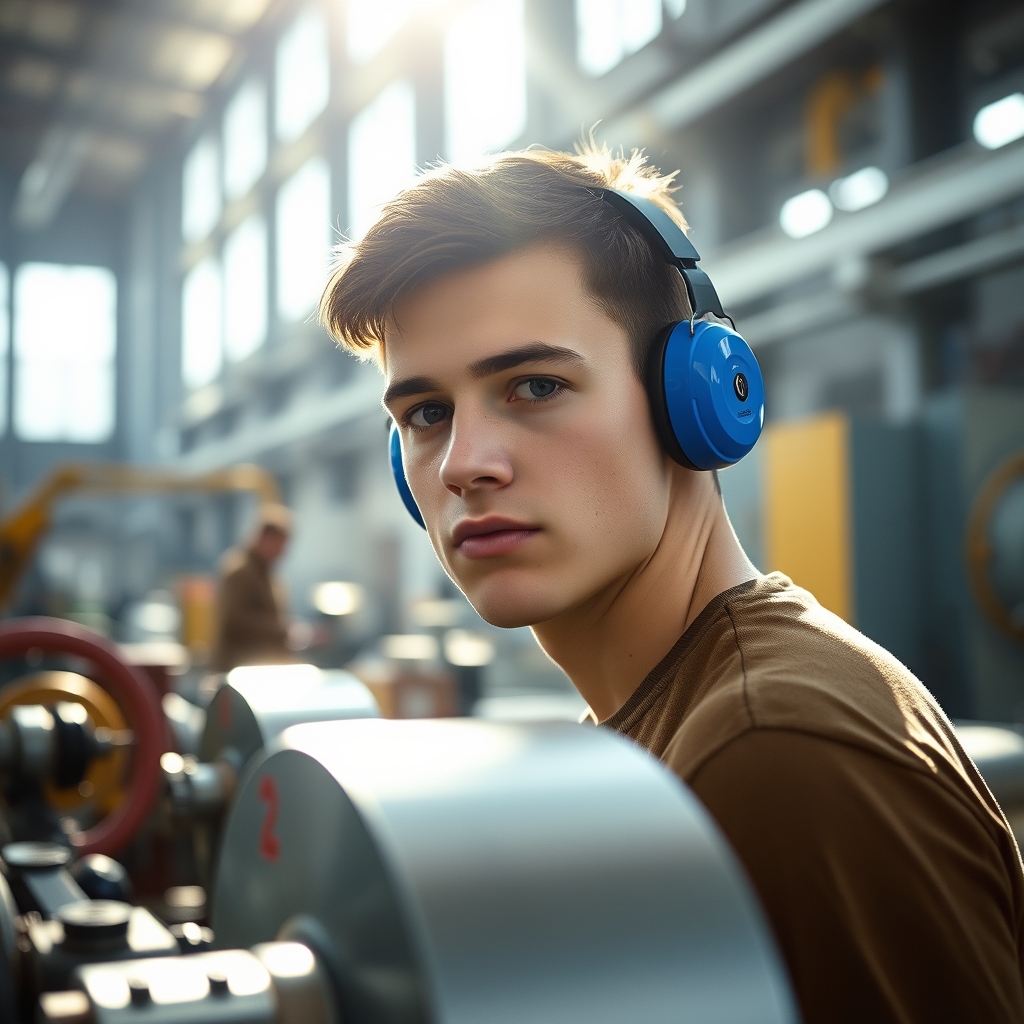
Learn the science behind hearing loss, compare ear protection options, and discover practical steps to keep your ears healthy.
Lead
According to Patient.info FeatureArticle, everyday noises—from headphones to concert speakers—can wear down hearing over time. Understanding why the damage occurs and what really works can help you keep your ears functional for the long haul.
Why the Ear Is Vulnerable
The inner ear contains delicate hair cells that translate sound vibrations into electrical signals for the brain. These cells cannot regenerate; once they are damaged, the loss is permanent. Loud sound creates excessive movement of the hair cells, stretching or breaking them, which is why prolonged exposure to high volume leads to irreversible hearing loss.
Smoking adds a second insult. Nicotine narrows the tiny blood vessels that feed the inner ear, reducing oxygen and nutrient delivery. The article notes a "dose‑dependent relationship"—the more you smoke, the higher the risk of hearing impairment.
Everyday Culprits and How They Act
| Source of risk | How it harms the ear | Common misconception |
|---|---|---|
| Loud music or TV | Over‑stimulates hair cells, causing mechanical fatigue | Turning the volume up improves clarity (it doesn’t) |
| Proximity to speakers | Sound intensity rises dramatically when you are close, accelerating damage | Standing right in front of a stage is harmless |
| Ear‑defenders vs noise‑cancelling headphones | Ear‑defenders block sound pressure; noise‑cancelling headphones merely mask sound and do not protect against harmful levels | Assuming any “headphone” is protective |
| Ear wax buildup | Hard wax can block the canal, muffling sound and mimicking loss | Pulling wax out with a cotton bud is safe |
| Smoking | Reduces blood flow to the inner ear, starving hair cells | A few cigarettes a day are negligible |
| High‑dose aspirin/NSAIDs | May affect the cochlea’s chemistry, potentially leading to loss | Over‑the‑counter painkillers are harmless for ears |
Understanding the mechanism helps you target the right prevention strategy. For example, reducing volume cuts the mechanical strain on hair cells, while quitting smoking restores blood flow.
Comparing Protective Gear
| Protection type | How it works | When to use | Limitations |
|---|---|---|---|
| Standard earplugs (foam or silicone) | Physically block sound waves, lowering decibel level reaching the ear | Concerts, noisy work sites, loud DIY projects | Must be inserted correctly; can muffle speech |
| Custom‑moulded earplugs | Tailored fit provides consistent attenuation and comfort | Frequent musicians, industrial workers | Higher cost, need a professional fitting |
| Ear defenders (over‑the‑ear) | Large cushions absorb sound pressure, ideal for very loud environments | Construction sites, factories where noise >85 dB | Bulky, may interfere with communication |
| Noise‑cancelling headphones | Use electronic circuitry to generate opposite sound waves, reducing ambient noise | Office or travel where background hum is the issue | Do not lower harmful peaks; ineffective against sudden loud bursts |
The key trade‑off is comfort versus attenuation. Foam plugs are cheap but can be uncomfortable for long events; custom plugs cost more but stay in place. Ear defenders offer the highest protection but are impractical for social settings.
Lifestyle Choices That Matter
Beyond gear, everyday habits shape hearing health. The article highlights three non‑technical factors:
- Wax management – Softening wax with olive‑oil drops or bicarbonate‑based solutions can clear blockages without the risk of puncturing the eardrum. Professional suction remains the safest option if at‑home methods fail.
- Medication awareness – Large doses of aspirin and possibly ibuprofen have been linked to loss. Keep to recommended doses and discuss long‑term use with a doctor.
- Vaccination – Certain viral infections (e.g., mumps, measles) can cause sudden hearing loss. Staying up to date on immunisations removes that risk.
Analysis: What Actually Changes When You Act
Implementing these steps does not magically reverse existing loss, but it does alter the risk trajectory. Reducing daily volume by even a few decibels can halve the cumulative strain over a decade. Swapping cotton buds for oil drops removes the chance of puncturing the canal lining, a complication that can itself lead to infection and further hearing loss.
The trade‑off of frequent hearing‑test appointments is modest— a quick audiogram costs little and can catch early high‑frequency loss that you may not notice. Early detection opens the door to hearing‑aid fitting or counseling that can preserve communication abilities, especially after age 50 when loss accelerates.
Who benefits? Young adults who listen to personal audio devices and workers in noisy trades see the biggest gains from proper ear protection and regular testing. Smokers and chronic pain patients who rely on high‑dose NSAIDs face a compounded risk; quitting smoking and reviewing medication regimens can reduce two independent damage pathways at once.
Who might lose out? People who rely on the convenience of noise‑cancelling headphones for office work may mistakenly think they are protected and continue to expose themselves to hazardous levels in loud cafés or public transport. The false sense of security can lead to unnoticed damage.
What Could Go Wrong or Remains Unclear
The source warns against self‑removal of ear wax but does not quantify the success rate of oil‑drop regimens versus professional suction. Without that data, readers may over‑estimate the effectiveness of home treatment. Likewise, the link between ibuprofen and hearing loss is described as “suggested” without a firm causal proof; patients might over‑react or, conversely, ignore a real risk.
Another blind spot is the variability in individual susceptibility. Some people develop loss after relatively modest exposure, while others tolerate louder environments longer. Genetic factors, underlying health conditions, and prior ear trauma could modify risk, but the article does not address them.
Finally, the recommendation for hearing‑test frequency relies on age brackets (under 50: every 5‑10 years; over 50: every 1‑2 years). This schedule assumes a linear progression of risk with age, yet sudden sensorineural loss can occur at any time, especially after viral infections. Readers should treat the schedule as a baseline, not a guarantee.
Putting It All Together
Protecting hearing is a layered approach: reduce exposure, use appropriate protection, manage wax safely, watch medication dosages, stay vaccinated, and monitor changes with periodic tests. The mechanisms—mechanical fatigue of hair cells, reduced blood flow from smoking, chemical interference from drugs—are straightforward, but the practical choices require balancing convenience, cost, and comfort.
If you enjoy loud music, consider custom‑moulded plugs that let you stay in the crowd without sacrificing safety. If you work in construction, schedule employer‑arranged audiograms and wear ear defenders. And if you’re a regular aspirin taker, ask your doctor whether a lower dose or alternative painkiller could keep your ears out of harm’s way.
The bottom line is that hearing loss is preventable in many cases, but prevention hinges on informed choices rather than assumptions.