What vaccines you really need for a safe trip to Sudan
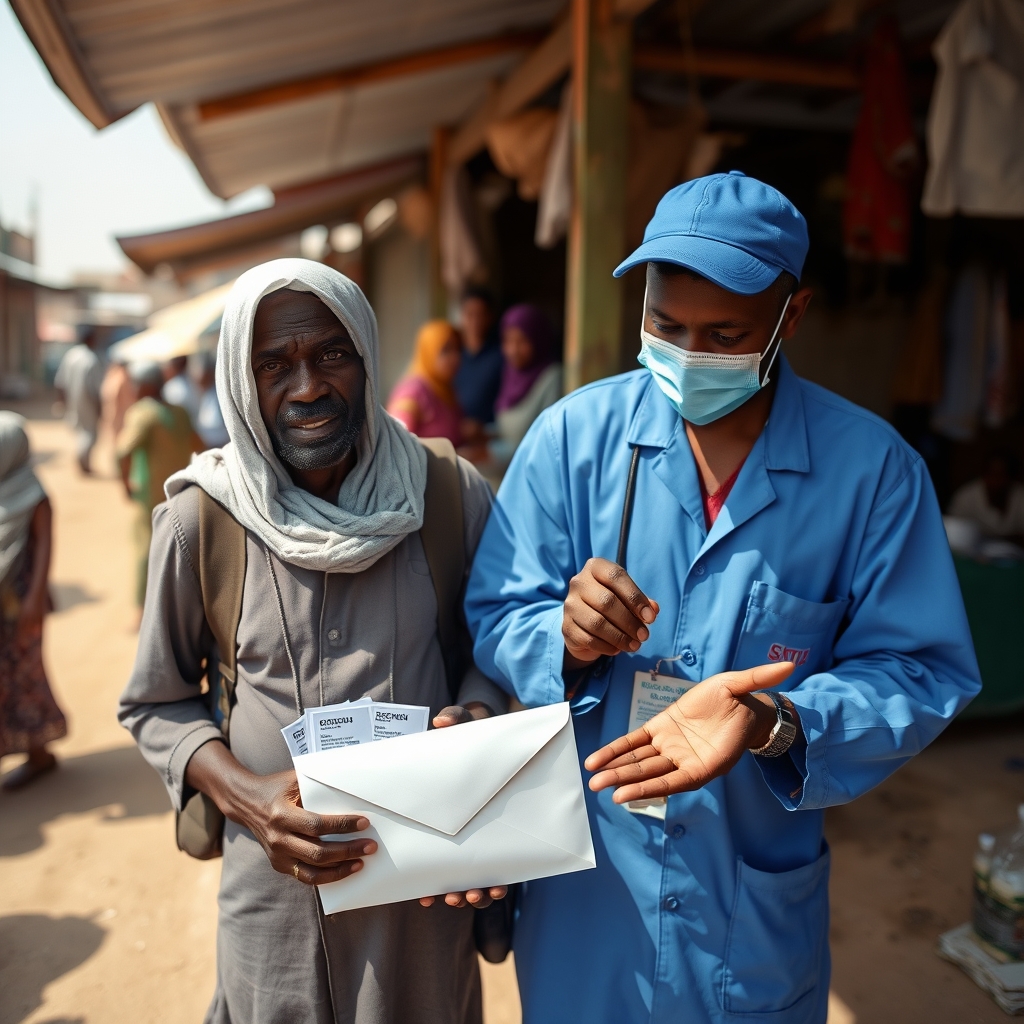
A calm, evidence‑based guide to the vaccines recommended for travellers to Sudan, who should get them and what to watch out for this week.
Travelling to Sudan offers a chance to see the Nubian pyramids, sail the Nile and explore desert towns, but the mix of climate, food‑water risks and mosquito‑borne diseases means a health check is worth the time. Getting the right vaccines before you leave can turn a potentially stressful health issue into a manageable part of your itinerary.
Background: health risks you might face in Sudan
Sudan sits on the Sahel‑Savannah border, with hot dry interiors and humid river valleys. Temperatures can climb above 40 °C in summer, and water supplies are often unreliable outside major cities. These conditions foster food‑ and water‑borne infections such as hepatitis A, typhoid and cholera, while the presence of Aedes and Anopheles mosquitoes adds the threat of chikungunya, dengue and, to a lesser extent, yellow fever. Injuries are also a practical concern – soil‑borne Clostridium tetani can cause tetanus if wounds are not cleaned promptly. Understanding the local disease landscape helps you decide which immunisations are essential and which are optional.
Routine vaccinations: the foundation
The UK’s National Health Service (NHS) recommends a set of routine immunisations for all residents, regardless of travel plans. Before you think about exotic vaccines, check that your childhood schedule – MMR/MMRV, diphtheria‑tetanus‑polio (DTP), and the recent boosters for pertussis and COVID‑19 if relevant – is up to date. The combined tetanus‑diphtheria‑polio (Tdap) booster is given every ten years, but if you’ll be in remote areas where medical care is sparse, a booster within four weeks of departure is prudent even if your last dose was less than ten years ago. The evidence suggests that maintaining these baseline protections reduces the chance of a preventable infection turning into a serious health episode while you’re abroad.
Specific vaccines recommended for Sudan
According to Patient.info, the following vaccines are advised for most travellers to Sudan:
- Hepatitis A – an inactivated virus vaccine that stimulates antibodies against the hepatitis A virus, which is spread via contaminated food or water. A two‑dose schedule (0 and 6 months) provides long‑lasting immunity. The vaccine is well tolerated, and the risk of severe disease rises with age, making it a sensible default for all adult travellers.
- Typhoid – available as an injectable polysaccharide‑conjugate (Vi‑c) or an oral live‑attenuated (Ty21a) formulation. Both protect against Salmonella Typhi acquired from unsafe food or water. The injectable requires a single dose; the oral course spans four capsules taken every other day. Protection lasts about three years for the injectable and five years for the oral version.
- Tetanus booster – a single dose of a tetanus‑containing vaccine (often combined with diphtheria and pertussis) if the last dose was over ten years ago, or sooner if you might encounter soil‑contaminated injuries.
- Hepatitis B – a recombinant protein vaccine given in a three‑dose schedule (0, 1 and 6 months). Sudan is classified as having intermediate to high hepatitis B prevalence, so vaccination is recommended for anyone who may have blood‑to‑blood exposure – for example, health workers, people receiving medical treatment, or anyone engaging in activities such as tattooing.
- Measles, mumps and rubella (MMR) – a live‑attenuated vaccine that prevents measles, a disease that remains endemic in parts of Sudan. Two doses spaced at least four weeks apart give about 97 % protection. The MMRV formulation also covers varicella (chickenpox) and is useful for travellers under 30 years who missed childhood doses.
- Yellow fever – there is a documented risk of transmission in parts of Sudan, but the country does not require an International Health Regulations (IHR) certificate. The live‑attenuated 17D‑based vaccine confers protection within ten days and is usually given a single dose.
- Cholera – an oral killed‑bacteria vaccine (Dukoral, Euvichol‑plus) given in two doses one week apart, with a booster after two years. It is advised for travellers heading to areas with ongoing outbreaks or where safe water is scarce.
- Chikungunya – a newer vaccine is still awaiting full licensure in the UK; the source notes that detailed guidance will appear in the Green Book later. At present, the recommendation is to consider vaccination for long‑term travellers or those visiting outbreak zones, but most will rely on mosquito avoidance.
- Dengue – a live‑attenuated tetravalent vaccine (Dengvaxia) is only approved for individuals who have already had dengue infection, as confirmed by a laboratory test. For most UK travellers, the advice is to focus on bite avoidance rather than vaccination.
Each of these vaccines works by presenting a harmless piece of the pathogen (or a weakened form) to the immune system, prompting it to produce specific antibodies and memory cells. When you later encounter the real germ, your body can neutralise it rapidly, often before symptoms develop.
How Sudan’s recommendations compare to alternative strategies
| Vaccine | Recommended for most travellers? | Primary benefit | Typical schedule | When you might skip it |
|---|---|---|---|---|
| Hepatitis A | Yes | Prevents liver disease from contaminated food/water | 2 doses (0, 6 mo) | If you only stay in high‑standard hotels with safe water (still risky) |
| Typhoid | Yes (especially for long stays) | Stops severe febrile illness & intestinal perforation | Injectable: 1 dose; Oral: 4 capsules over 4 days | Short city trips with reliable food sources |
| Tetanus booster | Yes (if >10 y since last dose) | Avoids life‑threatening muscle spasms after wound | 1 dose | Recent booster within 10 y |
| Hepatitis B | Consider for high‑risk activities | Reduces chronic liver disease risk | 3 doses (0,1,6 mo) | Low‑risk tourists staying in urban centres |
| MMR/MMRV | Yes (all adults) | Prevents measles outbreaks, complications | 2 doses (≥4 wks apart) | Documented immunity from previous vaccination |
| Yellow fever | Yes for risk zones (no certificate needed) | Protects against fatal haemorrhagic fever | 1 dose (≥10 d before travel) | Staying solely in non‑risk areas |
| Cholera | Consider for outbreak zones or poor water access | Prevents severe diarrhoea and dehydration | 2 doses (1 wk apart) | If you have guaranteed safe water |
| Chikungunya | Optional (awaiting full guidance) | May reduce joint pain severity | Pending | Most short‑term tourists |
| Dengue | Optional (only if previously infected) | May lessen severe disease | 3 doses (0,6,12 mo) | No prior infection, rely on bite avoidance |
The trade‑off here is that each additional vaccine adds cost, a clinic visit and a small risk of side‑effects (usually mild soreness or low‑grade fever). For low‑risk itineraries – for example, a week‑long stay in Khartoum staying in reputable hotels – you might decide that good food hygiene and a tetanus booster are sufficient. For longer trips, rural visits or work‑related travel, the broader panel offers a safety net that the evidence suggests outweighs the inconvenience.
Who gains the most and who might not need everything
- Back‑packers and volunteers often stay in remote villages, use communal water sources and may be exposed to soil‑borne injuries. The full suite – hepatitis A, typhoid, tetanus booster, hepatitis B, MMR, yellow‑fever precaution, and cholera – provides the most comprehensive protection.
- Business travellers on short city trips usually have access to hotel‑provided meals and clean water. For them, the biggest gains come from confirming routine shots (tetanus, MMR) and adding hepatitis A if they plan any street‑food meals.
- People with chronic health conditions (e.g., immunosuppression) should be especially diligent about hepatitis B, MMR and tetanus, and discuss any live‑virus vaccines (like yellow fever) with their clinician, as the evidence suggests a higher risk of adverse reactions.
- Pregnant women should avoid live vaccines such as yellow fever unless the risk of infection is very high; they should instead focus on mosquito avoidance and safe food practices.
What could go wrong or remains uncertain
The source leaves several gaps that travellers need to fill on their own:
- Timing – Some vaccines (e.g., hepatitis A, hepatitis B) require a series of doses over months. If you book your appointment late, you may not achieve full protection before departure. A short‑term accelerated schedule exists for hepatitis A (two doses 7 days apart) but offers slightly lower antibody levels.
- Availability – Not all UK pharmacies stock the oral typhoid or cholera vaccines; you may need a travel‑clinic referral, which can delay planning.
- Chikungunya and dengue vaccines – The guidance notes that detailed recommendations are pending. Until the Green Book updates, you must rely on insect‑bite prevention (repellents, clothing, nets) as the primary defence.
- Yellow‑fever certificate – Although Sudan does not demand an IHR certificate, some airlines or neighbouring countries might. Carrying proof of vaccination can avoid unexpected refusals.
- Contra‑indications – Live‑attenuated vaccines (yellow fever, oral typhoid) are not advisable for severely immunocompromised individuals or pregnant women. In such cases, a risk‑benefit discussion with a clinician is essential.
Practical steps you can take this week
- Make a health appointment – Book a travel‑clinic visit or speak to your GP within the next two days. Bring a list of your routine vaccines and your travel dates.
- Check your vaccine records – Verify the dates of your last tetanus, MMR and hepatitis A shots. If any are overdue, arrange the booster now.
- Start a mosquito‑bite plan – Purchase an EPA‑approved repellent (e.g., 20 % DEET) and pack long‑sleeved shirts and trousers for daytime travel.
- Create a water‑safety kit – Buy a portable water filter or chlorine tablets for use in areas where tap water is questionable.
By ticking these boxes before you leave, you’ll turn the vague worry of “getting sick abroad” into a concrete, manageable checklist.