Why the Cost of Your Toothbrush Doesn’t Matter as Much as How You Use It
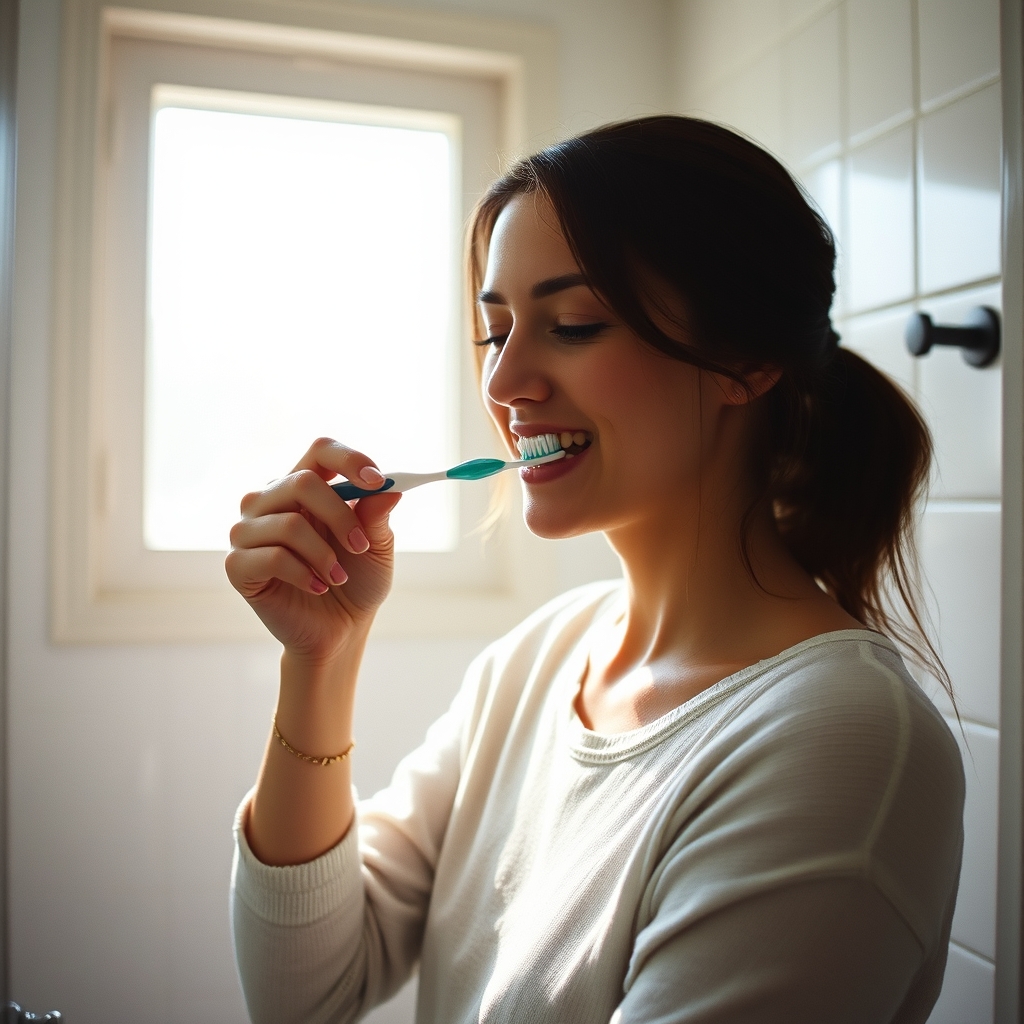
Expensive toothbrushes aren’t a shortcut to better oral health. The evidence suggests brushing time, technique and flossing matter more.
According to The Guardian, a dental hygienist reminded readers that the best way to keep teeth healthy is two minutes of brushing twice a day and daily flossing – regardless of how pricey the brush is. The claim matters because consumers are being courted with smart‑feedback electric brushes that cost as much as a gym membership, yet the core habit remains unchanged.
The basics of plaque removal
Plaque is a sticky film of bacteria that forms on teeth within hours of eating. If it isn’t disrupted, the bacteria produce acids that demineralise enamel, leading to cavities, and they also trigger inflammation of the gums (gingivitis). Brushing works by mechanically dislodging this film; the bristles sweep across the tooth surface, while the motion of the brush head creates shear forces that break the bio‑film matrix. Flossing reaches inter‑proximal spaces where a brush cannot touch, removing plaque that would otherwise accumulate in those hidden gaps.
How brushing time influences effectiveness
Research consistently shows that brushing for at least two minutes removes significantly more plaque than a quick 30‑second swipe. The two‑minute rule gives the bristles enough time to cover all six surfaces of each tooth – outer, inner, and chewing surface – plus the tongue and gum line. A study published in the Journal of Clinical Dentistry found that participants who brushed for two minutes reduced plaque scores by 40 % compared with those who brushed for less than a minute, independent of brush type.
Electric versus manual brushes: what the evidence says
| Feature | Manual (cheap) | Electric (mid‑range) | Premium smart electric |
|---|---|---|---|
| Typical cost (UK) | £1‑£3 per brush | £30‑£70 per set | £150‑£250 per brush |
| Brushing time needed for optimal plaque removal | 2 min (strict) | 2 min (relaxed) | 2 min (often shorter) |
| Plaque reduction (average) | 35‑40 % | 45‑50 % | 55‑60 % |
| Need for technique training | High | Moderate | Low (feedback) |
| Battery/maintenance | None | Replaceable head, occasional charging | Regular software updates, battery replacement |
| Environmental impact | Low (plastic) | Moderate (electronics) | Higher (electronics, packaging) |
| The table shows that even the cheapest manual brush can achieve a respectable plaque reduction if used correctly for the full two minutes. Mid‑range electric brushes give a modest boost – mainly because the oscillating‑rotating action does more strokes per second, which can compensate for a slightly shorter brushing time. Premium smart brushes add a feedback loop (e.g., pressure sensors, coverage maps) that can help users who struggle to maintain proper technique, but the incremental gain is modest compared with the cost. |
The trade‑off: convenience versus habit formation
What the letters in the Guardian piece highlight is a behavioural economics problem. A high‑priced brush can feel like an investment, creating a "sunk‑cost" bias that encourages use – but only if the user actually remembers to brush. In practice, many people buy an expensive gadget and then let it sit unused, much like an unused gym membership. The real benefit of a premium brush lies in its ability to reinforce habit through real‑time feedback; for someone who consistently under‑brushes, a smart timer and pressure alarm can be a useful nudge. For the majority who already brush for two minutes, the extra cost offers little added value.
Who gains and who loses?
- Tech‑savvy early adopters – May appreciate data visualisation and be motivated by gamified scores. They might see a modest improvement in plaque control if they previously brushed too quickly.
- Budget‑conscious families – Saving £150 on a brush and buying a multipack of £2‑bristles will stretch further and still meet NHS guidance on brushing time.
- Dental professionals – May find patients with premium brushes easier to counsel because the device already highlights problem areas; however, they must still stress technique and flossing.
- Manufacturers of high‑price brushes – Stand to profit from the perception that technology equals health, even when the marginal clinical benefit is small.
What could go wrong?
The letters leave a few gaps. First, they assume that everyone can afford a multipack of cheap brushes, but low‑income households may struggle with any dental care costs, let alone replacement heads. Second, the evidence for smart‑feedback brushes mostly comes from short‑term trials; we do not yet know whether the novelty effect persists after six months. Third, relying on a device’s alerts may give a false sense of security – users might think the brush will clean for them, neglecting the need for proper angle and coverage. Finally, electronic brushes require charging; a dead battery could mean missed brushing sessions unless a backup plan is in place.
A practical step for this week
Take a timer – the one on your phone works fine – and set it for two minutes. Brush every morning and night, making sure you spend about 30 seconds on each quadrant of your mouth. After brushing, use a piece of dental floss (or interdental brushes if floss is uncomfortable) for at least one minute. If you already own an electric brush, compare the plaque you see on a disclosing tablet (the pink dye that shows leftover plaque) before and after the two‑minute session. Note any differences; the visual cue will help you decide whether a more expensive brush is worth the extra money for you.