Why the UK should take a page from Australia’s sun‑safety playbook
Melanoma cases have topped 20,000 in the UK. A look at Australia’s long‑standing sun‑protection policies shows what could work at home before summer 2027.
A surge in melanoma and a summer that feels foreign
The Guardian reports that new melanoma diagnoses in the UK have risen above 20,000 for the first time. With hotter, drier summers making outdoor UV exposure more common, the spike matters not only for the NHS but for anyone who enjoys a sunny day.
Why UV risk is now a public‑health priority
Melanoma sits as the fifth most common cancer in England, trailing only prostate, breast, lung and bowel cancers. The rise mirrors an ageing population – a third of all UK cancer patients are over 75 – and a growing number of people spending more time in strong sunlight. The National Cancer Plan already promises to seek further evidence on sunbeds, and MPs have floated a ban on sun‑bed advertising. Those moves hint that the government is beginning to treat UV exposure as a preventable risk, not a niche concern.
How Australia turned sun‑safety into habit
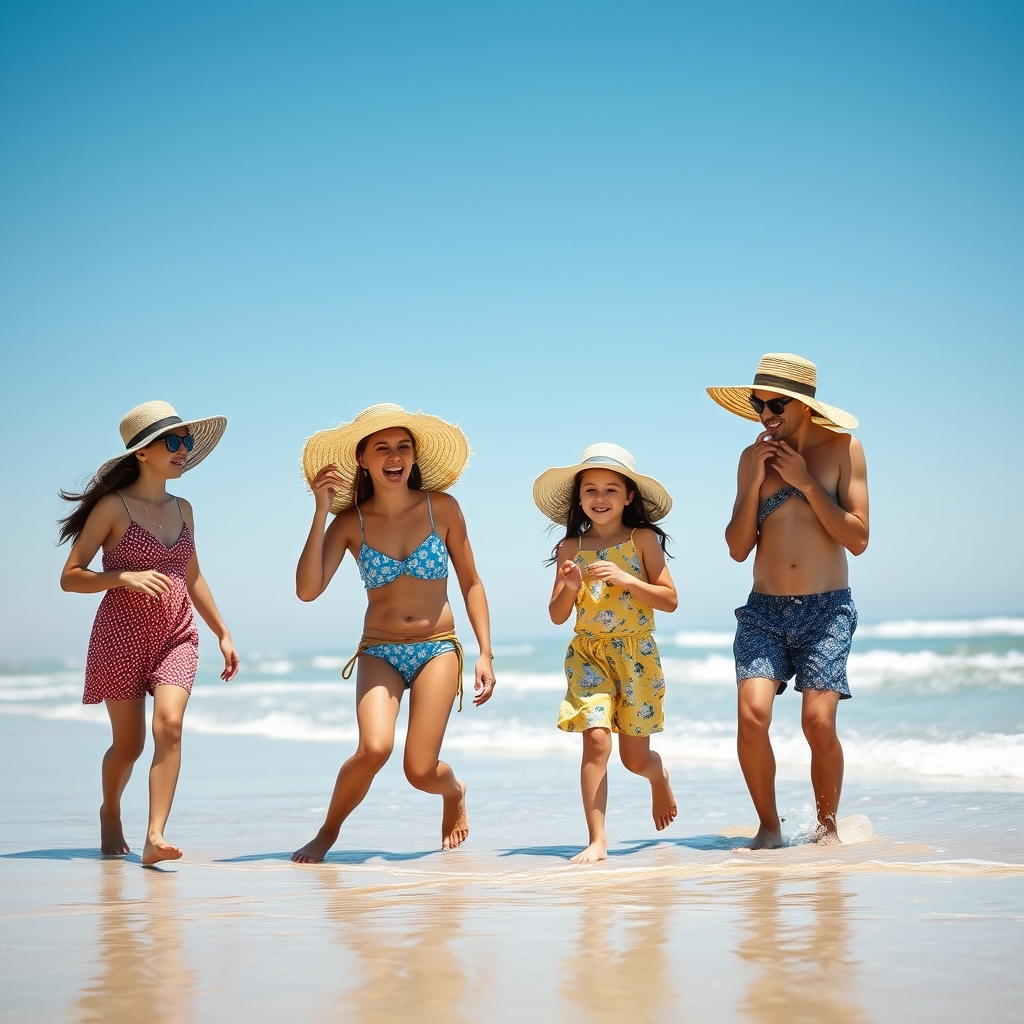
In 1981 Australia launched the iconic “slip, slop, slap” campaign: slip on a shirt, slop on sunscreen, slap on a hat. The message was reinforced in schools with a "no hat, no play" rule, meaning children could not join outdoor games without head protection. Decades of consistent messaging have made sunscreen use and hat‑wear almost reflexive for many Australians.
The mechanism is simple. Repeated visual cues (the cartoon seagull) and clear, actionable steps reduce the mental load of deciding whether to protect skin. When a behaviour is built into a rule – "no hat, no play" – it bypasses the need for personal risk assessment each time a child steps outside. Over time, the habit spreads beyond school, influencing families and workplaces.
What the UK currently does – and where the gaps lie
British nurseries and some schools have adopted similar hat rules, but the coverage is patchy. Public awareness of UV risk remains lower than in Australia, partly because high‑intensity sunshine has historically been a rarity, especially in northern regions and Scotland. Consequently, health authorities have not felt the same pressure to act.
A recent editorial notes two concrete proposals:
- A ban on sun‑bed advertising, mirroring the approach taken in several European countries.
- Consideration of a full commercial ban on sunbeds, as implemented in Australia and Brazil.
Both proposals target artificial UV sources, yet the editorial also flags the rise of "tanning apps" promoted by influencers – a digital analogue of the sun‑bed problem that has not been addressed by legislation.
Comparing the two approaches
| Aspect | United Kingdom (current) | Australia (long‑standing) |
|---|---|---|
| Legislation on sunbeds | Advertising ban proposed; commercial ban under discussion | Commercial sale of tanning devices prohibited since 2010 |
| School‑based rules | Some nurseries/schools use hat rules; no national mandate | Mandatory "no hat, no play" rule in primary schools |
| Public‑health campaigns | Ad‑hoc advice from NHS; no iconic slogan | "Slip, slop, slap" (since 1981) and regular TV/print ads |
| Enforcement | Largely voluntary; no penalties for non‑compliance | Fines for businesses that sell non‑compliant sunscreen; schools monitored |
| Cultural norm | Sun is often welcomed; UV risk under‑communicated | Sun‑safety is part of everyday conversation |
The table shows that Australia pairs legislation, school policy, and sustained media messaging – a three‑pronged strategy that the UK currently lacks.
The trade‑offs and practical considerations
Implementing a comparable programme in the UK would require balancing several factors. A ban on sun‑bed advertising is low‑cost and politically feasible, but it does not stop sales. A full commercial ban would hit the tanning industry hard and could provoke legal challenges, especially where tanning is marketed as a cosmetic service rather than a health risk.
School‑wide hat rules are straightforward to enforce but may clash with outdoor‑play philosophies and require teacher training. Adding a simple slogan akin to "slip, slop, slap" would need funding for national media slots – a budgetary decision the NHS would have to justify against other priorities.
In practice, the biggest hurdle is behaviour change. Even with clear rules, adults often underestimate personal UV exposure, especially on cloudy days when UV can still be strong. The evidence suggests that visible, repeated cues (e.g., posters on public transport, QR codes linking to UV‑index apps) are more effective than one‑off leaflets.
What could go wrong or remains uncertain
The editorial does not provide data on how many UK sun‑bed users would shift to safer alternatives if advertising were banned. It also leaves open how enforcement would work for school hat policies – would inspectors monitor compliance, or would it rely on self‑reporting?
A further blind spot is the digital realm. Tanning apps and influencer‑driven content can reach millions instantly, but the article offers no concrete plan for regulating online promotion. Without a strategy for the internet, any statutory ban may be circumvented.
Finally, the impact of a stricter regime on the tanning industry is unclear. While public‑health benefits are plausible, the economic fallout for small businesses that rely on sun‑bed services could generate political push‑back, potentially slowing legislation.
A practical step for this week
Check the daily UV‑index on the Met Office website before heading outdoors. If it reads 3 or above, make a habit of applying a broad‑spectrum sunscreen (SPF 30 or higher) and wearing a wide‑brimmed hat. Adding this simple check to your routine mirrors the "slip, slop, slap" mindset without waiting for national policy changes.