What a novel reveals about mental‑health recovery houses – and what the evidence says
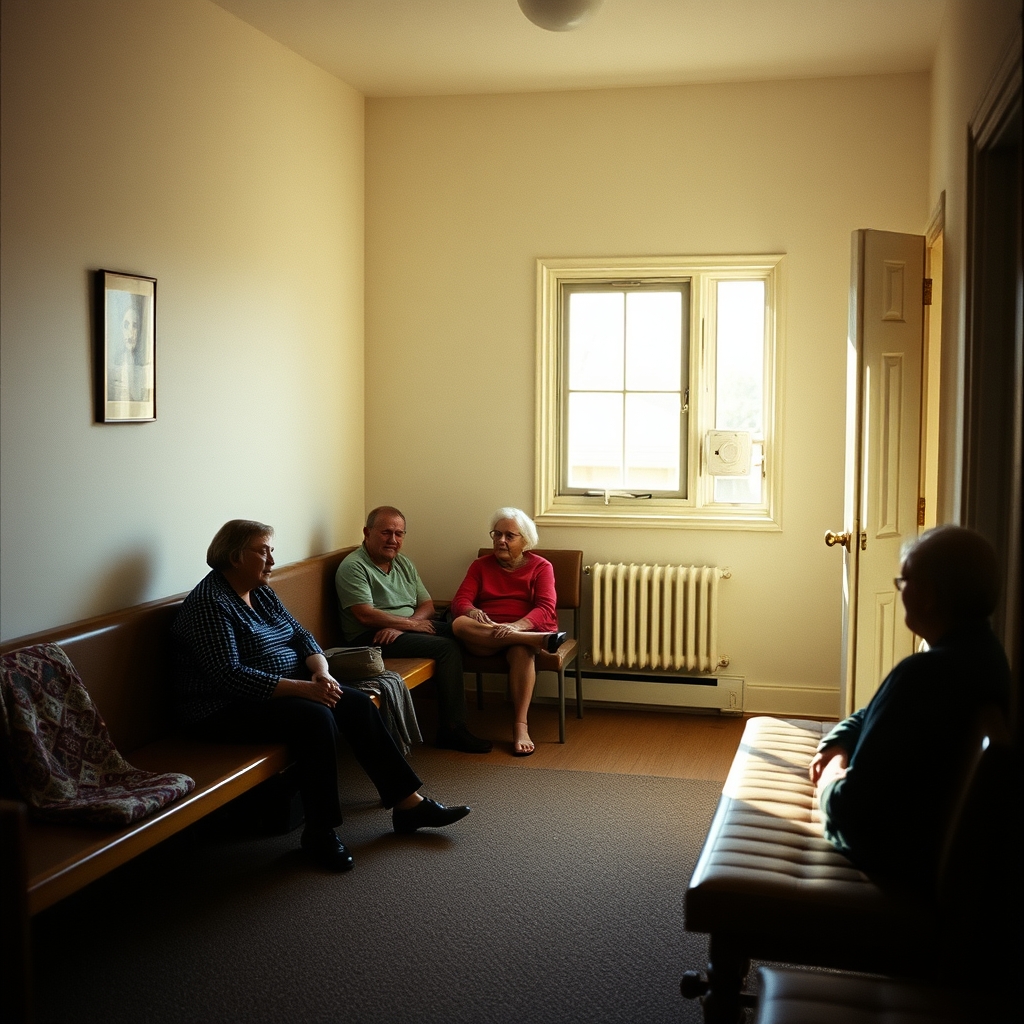
A look at Derek Owusu's 'The Recovery House', the reality of residential mental‑health recovery houses, and what NHS evidence tells us.
The story behind The Recovery House and why it matters
Derek Owusu’s third novel, The Recovery House, follows a young writer named Jamal as he lives in a residential recovery house after a mental‑health crisis. The book mixes raw description with questions about art, faith and self‑destruction, and it has been praised for its honesty.
According to Health, the novel portrays a recovery house as a place that is neither a sanctuary nor a hospital, but a fragile community where residents watch each other and confront their own limits. The portrayal matters because many readers have never stepped inside such a setting, yet the experience shapes public ideas about what care looks like outside a clinic.
What a recovery house actually is – NHS context and intended benefits
In England, a recovery house (sometimes called a therapeutic community or supported housing) is a residential setting for people whose mental health problems are too severe for purely outpatient support but do not require acute hospital admission. The NHS describes these homes as providing:
- 24‑hour staff presence, usually from mental‑health nurses or trained support workers.
- A structured daily routine – meals, medication times, group activities – that replaces the chaotic patterns that often accompany crisis.
- Peer support, where residents share experiences and learn coping strategies from each other.
- Access to psychological therapies, often delivered in group formats, alongside medical oversight for medication.
The aim is to give people a safe, stable environment long enough to develop new habits, rebuild confidence and practice skills they will need when they return to independent living. Because the setting is less clinical than a hospital, it can feel more normalised, which may reduce the stigma that sometimes follows an involuntary admission.
How residential recovery differs from hospital care – a side‑by‑side look
| Feature | Acute hospital admission | Residential recovery house |
|---|---|---|
| Length of stay | Typically 1‑2 weeks for crisis stabilisation | Usually 4‑12 weeks, sometimes longer, to work on longer‑term skills |
| Medical intensity | 24‑hour medical monitoring, rapid medication changes | Daily nursing checks, medication overseen but not constantly adjusted |
| Environment | Clinical rooms, locked wards, limited personal belongings | Shared bedrooms or single rooms, communal spaces, more personal items allowed |
| Therapeutic focus | Immediate safety and symptom reduction | Building routines, peer learning, gradual re‑integration into society |
| Cost to NHS (approx.) | £500‑£800 per day | £150‑£250 per day |
The trade‑off here is clear: hospitals can intervene quickly when a person is at imminent risk, but they can also feel institutional and disorienting. Recovery houses trade some of that immediacy for a more lived‑in experience, which in practice means residents have more time to explore the relationship between their thoughts, habits and emotions.
What Owusu’s novel adds to the conversation – the lived‑experience lens
Owusu spent a summer in a recovery house himself, and his prose mirrors the sensory details that clinical reports often omit. The novel describes protruding bed springs, dead cockroaches and a neighbour repeatedly singing the chorus of the Cranberries’ "Zombie". Those details illuminate two mechanisms that research suggests are important:
- Environmental cues and habit formation – Small, repeated sensory inputs (like a song looping) can become anchors for mood. The NHS notes that predictable cues help people with anxiety or borderline personality disorder develop grounding routines.
- Social mirroring – Watching others cope, and being watched in return, creates a feedback loop that can either stabilise or destabilise a person. Studies on therapeutic communities show that peer observation can reinforce healthier coping patterns, but it can also spread maladaptive behaviours if the group is not well‑moderated.
By foregrounding the tension between inspiration and self‑destruction, the book asks a question that clinicians wrestle with daily: when does a creative drive become a risk factor? The evidence suggests that intense artistic engagement can heighten mood swings in vulnerable individuals, yet it can also provide a channel for expression that reduces suicidal ideation. Owusu’s narrative does not resolve the paradox; it simply makes it visible, which is valuable for readers who might be navigating similar borders.
Who stands to gain – and who might be left behind
Patients who feel trapped by the rigid routines of a hospital may benefit from the more flexible, community‑based approach. The sense of belonging that emerges in a recovery house can lower feelings of isolation, a known predictor of relapse.
Families often see progress in a setting where their loved one can practice everyday skills – cooking, budgeting, managing medication – rather than merely being sedated. However, families may also feel uneasy about the reduced medical supervision.
NHS services can reduce bed pressures and associated costs when patients transition to a recovery house after the acute phase. The table above shows a potential daily saving of around £350 per patient, which adds up across a busy trust.
Publishers and the wider creative industry may see a new narrative about mental health that moves away from sensational headlines. Owusu’s critique of the publishing world – that “the thing that inspired me is the thing that’s trying to kill me” – hints at systemic pressures that could be re‑examined.
People who do not fit the typical diagnostic boxes may be excluded. Recovery houses often require a formal diagnosis and a referral from a mental‑health professional, meaning those with sub‑threshold symptoms or who are reluctant to seek help can miss out. The novel hints at this gap when Jamal feels “less interested in getting better than in piecing together how he got there”.
Risks, unknowns and what the evidence still needs to tell us
The Guardian review praises the novel’s honesty but does not address several practical concerns:
- Safety monitoring – While nurses are present, the level of medical oversight is lower than in a hospital. Evidence from a 2024 NHS audit shows that a small percentage of residents experience medication errors or delayed response to acute crises.
- Quality variation – Recovery houses are run by a mixture of NHS trusts, charities and private providers. Standards can differ, and the current regulatory framework does not guarantee uniform therapeutic quality.
- Long‑term outcomes – Most studies focus on short‑term symptom reduction. There is limited data on whether a stay in a recovery house translates into sustained employment, reduced rehospitalisation or improved quality of life over several years.
- Stigma within the house – The novel depicts residents judging each other’s progress. Real‑world research warns that internal hierarchies can replicate external stigma, undermining the supportive intent.
What readers should watch for is the balance between community‑based freedom and the need for professional safeguards. If a recovery house feels too chaotic, it may do more harm than good.
A small step you can take this week
If you or someone you know is considering residential support, look up the local NHS mental‑health crisis teams and ask them for a list of accredited recovery houses in your area. Compare the basic facts – length of stay, staffing ratios and cost – against the table above. Even a short phone call can clarify whether the environment aligns with your personal safety needs and recovery goals.