Why the buzz matters: how bees protect our food, money and wellbeing
Bees do more than make honey – they pollinate most UK crops, add £690 m of value each year and support health‑linked ecosystems. Find out the evidence and what you can do this week.
Bees are often dismissed as garden nuisances, yet the evidence suggests that their decline could ripple through our plates, wallets and mental health. Understanding how bees work and where the data are thin helps us decide whether to act, and how.
How bees keep the UK’s food on our plates
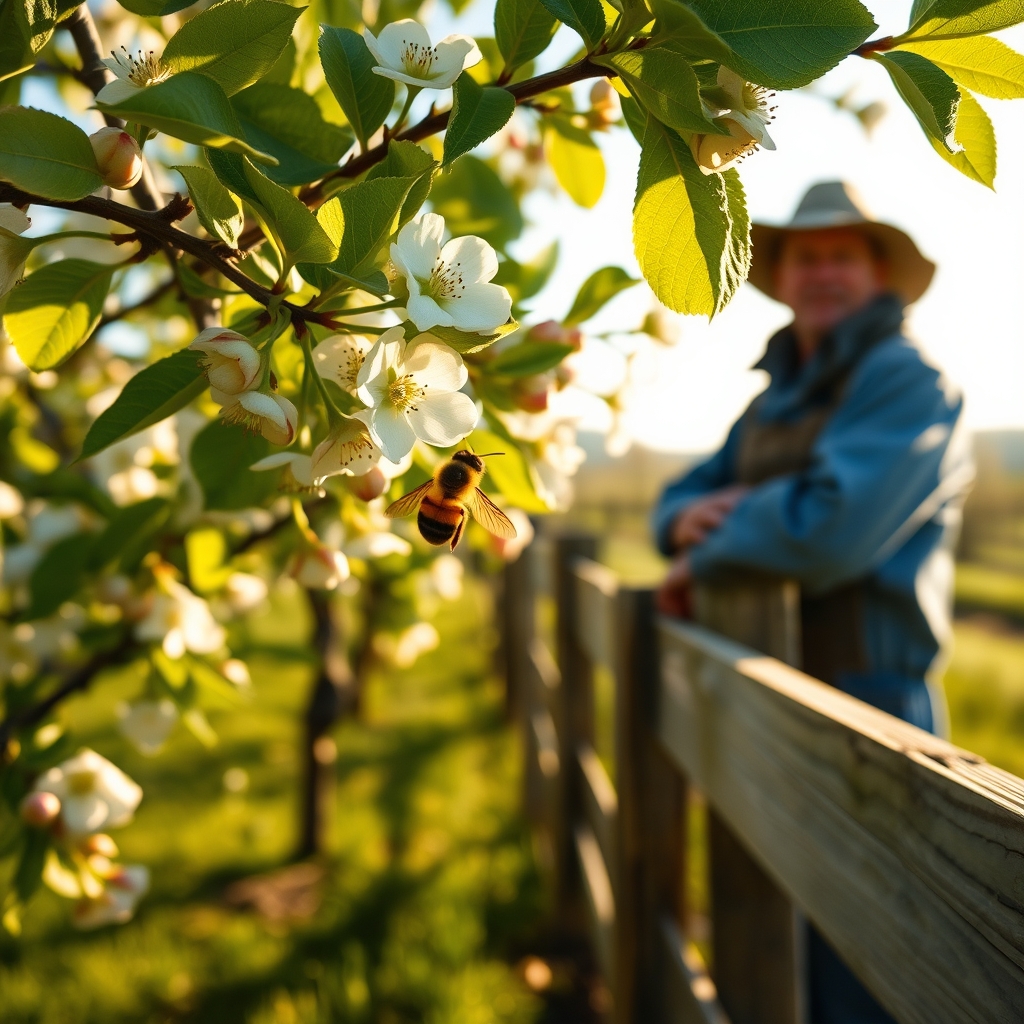
Pollination is the transfer of pollen grains from the male anther of a flower to the female stigma, allowing fertilisation and seed set. Wild bees – bumblebees, solitary bees and leaf‑cutter bees – are the primary vectors for most insect‑pollinated crops in the UK. The article reports that 85–95 % of UK insect‑pollinated crops rely on wild pollinators, with honeybees covering the remaining 5–15 %.
Why does this matter? Crops such as apples, strawberries, oilseed rape, beans and many nuts need a visit from a bee to set fruit. Without that visit, yields fall dramatically, sometimes by more than half. The downstream effect is a reduction in the variety of foods we can afford to buy. Studies cited in the source show that crops visited by pollinators have 32 % more nutritional variation, meaning that a loss of bee activity could tighten dietary micronutrients like vitamin C, folate and antioxidants.
The mechanism is simple: bees forage for nectar and pollen, moving between flowers as they collect food for their colonies. In doing so they brush pollen onto the stigmas of other plants. The efficiency of this process depends on the diversity of floral resources and the length of the foraging season. When habitats are fragmented, bees travel farther, expend more energy and ultimately visit fewer flowers, reducing pollination rates.
Money, manual labour and the cost of losing bees
The financial argument for protecting bees is concrete. The source states that bee‑mediated pollination contributes ≈£690 million to UK crop output each year. Replacing that service with manual pollination – hand‑picking pollen or using mechanical shakers – is estimated to cost £1.8 billion annually.
| Scenario | Approximate annual value (UK) | Main cost drivers |
|---|---|---|
| Natural bee pollination | £690 million | Ecosystem services, low‑cost foraging |
| Manual/mechanical pollination | £1.8 billion | Labour, equipment, fuel, training |
| No pollination (crop failure) | Variable loss, potentially >£2 billion | Lost yields, market price spikes |
The trade‑off here is clear: preserving wild bee populations is far cheaper than attempting to industrialise pollination. In practice this means that agricultural policy that subsidises pesticide‑free margins, or supports flower‑rich hedgerows, saves money downstream. The analysis also reveals a hidden cost – the mental‑health impact of financial insecurity for farming families, which the source hints at but does not quantify.
Beyond food: bees, air, water and medicines
Bee pollination underpins ecosystems that supply other human needs. Trees and shrubs that rely on insect pollination sequester carbon and release oxygen; a healthy canopy improves air quality, especially in urban fringe areas. Wildflowers, sustained by bees, stabilise soil and promote water infiltration, protecting freshwater supplies that the NHS identifies as a determinant of public health.
Medicinal plants such as echinacea, feverfew and certain willow species also depend on pollinators. While the article does not provide a monetary figure for this benefit, the mechanism is straightforward: without bees, the seed set of these plants would decline, limiting the raw material for modern pharmaceuticals.
The mental‑wellbeing link is indirect but supported by research outside the source: exposure to biodiverse green spaces reduces cortisol levels and improves mood. Bees increase the richness of those spaces by enabling flowering plants to thrive.
Direct bee products – honey, pollen and propolis
Honey is the most familiar bee product. The source notes antioxidant, anti‑inflammatory and antimicrobial properties, and cites evidence that honey can soothe children’s night‑time coughs. However, it also cautions that honey is primarily sugar; the American Heart Association recommends no more than two to three tablespoons of sugar per day, a limit that applies equally to honey.
Bee pollen and propolis (bee glue) are marketed as supplements. The article references antioxidant content in bee pollen and potential immune‑modulating effects of propolis, but admits that human research is limited. The mechanism behind these claims involves flavonoids and phenolic acids that can scavenge free radicals in vitro, yet translation to clinical outcomes remains uncertain. For most adults, a balanced diet provides comparable nutrients without the cost or allergy risk of bee‑derived supplements.
What could go wrong – gaps and threats in the evidence
The source identifies three main threats: habitat loss, pesticide exposure (especially neonicotinoids) and climate‑driven phenological mismatches (when plants flower earlier than bees emerge). While the percentages of crop dependence are well documented, the exact contribution of each threat to the 5,000 species lost since 1990 is less clear. Moreover, the financial estimate of £1.8 billion for manual pollination assumes a worst‑case scenario; intermediate solutions such as targeted pollinator‑friendly strips may reduce that figure, but the evidence is still emerging.
Another blind spot is the role of managed honeybee colonies. The article treats them as a supplemental service covering 5–15 % of pollination, yet recent studies suggest that high densities of honeybees can outcompete wild species for floral resources, potentially aggravating declines. This nuance is not explored in the source, so readers should watch upcoming research on competition dynamics.
Finally, the health claims of bee‑derived supplements rely on laboratory data; there is a paucity of large‑scale, peer‑reviewed trials in humans. Until such studies appear, the evidence remains suggestive rather than conclusive.
A simple week‑long plan to support bees
- Plant a bee‑friendly patch – sow a mix of native, nectar‑rich species such as red clover, foxglove and lavender. Aim for at least 1 m² per 10 m² garden space.
- Provide water – a shallow dish with pebbles prevents drowning and gives thirsty foragers a drink.
- Skip the chemicals – avoid any pesticide labelled as an insecticide, especially neonicotinoid‑based products, on flowers and lawn edges.
- Choose peat‑free compost – peat extraction destroys natural habitats used by ground‑nesting bees.
- Support local beekeepers – buying locally produced honey encourages sustainable hive management without over‑reliance on commercial imports.
By completing these steps you help maintain the pollination service that underpins much of the UK food supply, supports a £690 million annual contribution to the economy, and sustains the wider environment that keeps our air and water clean.