Why the UK Should Ban Commercial Sunbeds Now
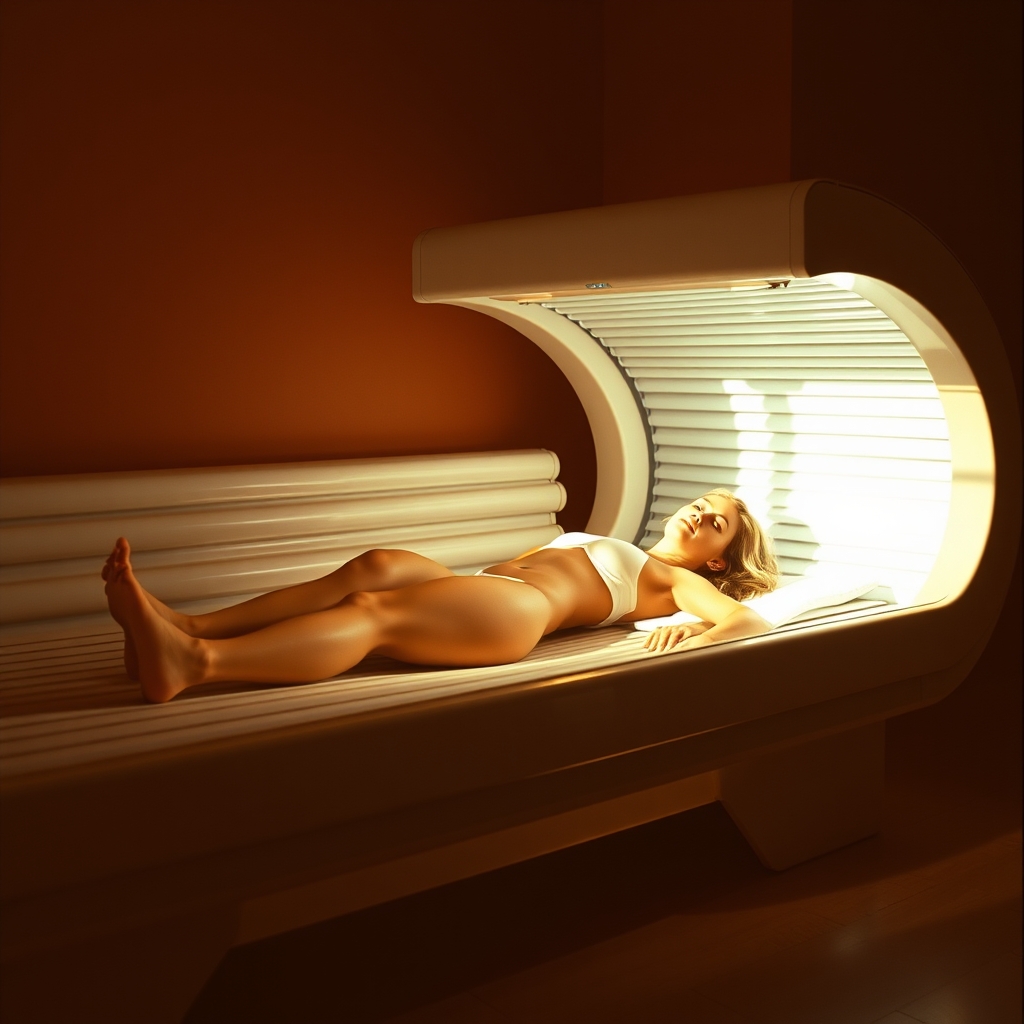
Evidence links sunbeds to melanoma, social media fuels risky attitudes, and bans abroad work. Here’s why the UK needs a ban and what you can do this week.
Melanoma on the rise
Melanoma incidence in the UK has been climbing steadily, with the latest NHS data showing around 16,000 new cases each year. The disease accounts for roughly 1% of all cancer deaths, but its mortality is disproportionately high because it often spreads quickly if not caught early. This upward trend matters because each case brings costly treatment, long‑term health impacts, and emotional strain for families.
The algorithmic boost to risky sun habits
According to Health, a recent letter from consultant dermatologist Dr Amy Perkins points out that social‑media platforms are normalising harmful attitudes towards sun exposure. Algorithms that reward strong emotional reactions tend to amplify extreme tanning routines, dramatic before‑and‑after photos, and dubious health claims. The mechanism is simple: when users linger on a post, the platform shows them more of the same, creating a feedback loop that pushes sensational content ahead of balanced medical advice. For many young people, the constant stream of glossy tanning images becomes a de‑facto norm, even when the posts contain subtle advertising for commercial sunbeds.
Why sunbeds are a carcinogen
UV radiation from sunbeds is classified as a Group 1 carcinogen by the International Agency for Research on Cancer (IARC), meaning there is convincing evidence it causes cancer in humans. The risk is not limited to the occasional session; regular use dramatically increases the odds of melanoma, especially for those who start before the age of 35. The biology is straightforward: UV‑A and UV‑B photons damage DNA in skin cells, creating mutations that can escape normal repair mechanisms. Over time, these mutations accumulate, leading to uncontrolled cell growth.
Lessons from countries that have banned them
Australia, Brazil and Iran have all introduced national bans on commercial sunbeds. In Australia, the ban – introduced in 2016 – coincided with a modest but measurable dip in melanoma rates among 15‑30‑year‑olds, according to the Australian Institute of Health and Welfare. Brazil’s 2009 ban was part of a broader skin‑cancer prevention strategy and has been linked to a reduction in sunbed‑related injuries reported to health authorities. Iran’s ban, despite cultural differences, succeeded in removing sunbeds from public venues altogether, forcing the market underground and limiting easy access. These examples suggest that a ban can curb exposure, particularly among vulnerable youth, and shift public perception of tanning from a harmless pastime to a recognised health risk.
Choosing a path: awareness, regulation, or outright ban
| Policy option | What it does | Evidence of impact | Main trade‑off |
|---|---|---|---|
| Awareness campaigns (e.g., NHS skin‑cancer leaflets) | Improves knowledge, encourages self‑exams | Small increases in early detection, but little change in incidence | Relies on individual behaviour; hard to overcome algorithmic reinforcement |
| Targeted regulation (age limits, mandatory warnings) | Reduces access for minors, forces clearer labelling | Australian age‑restriction (under 18) cut teen usage by ~30% | Still allows adult market; enforcement costs |
| Full commercial ban | Removes sunbeds from all retail and leisure venues | Australia, Brazil, Iran show declines in use and modest incidence drops | Requires legislation, possible black‑market emergence, industry push‑back |
The evidence suggests that an outright ban delivers the strongest population‑level protection, especially for young people who are most susceptible to UV‑induced DNA damage. However, a ban alone does not guarantee cultural change; it must be paired with education and digital‑literacy programmes that help users recognise algorithmic bias and commercial persuasion.
Open questions and possible downsides
The letter does not address how a ban would be enforced across the UK's fragmented retail landscape. Monitoring online sales, pop‑up venues, and private home devices could prove challenging and expensive. There is also the risk that a prohibition drives the market underground, making sunbeds harder to inspect for safety standards. Moreover, the source leaves open the economic impact on small businesses that currently offer tanning as a side service. While the health benefits are clear, policymakers will need to weigh these practical considerations against the potential reduction in melanoma cases.
What you can do this week
Talk to a teenager in your family or circle of friends about the hidden risks of sunbeds and how social‑media feeds can be misleading. Point them to the NHS "SunSmart" resources and encourage a quick check of the Skcin "Sun Safe Schools" programme in local schools. A short conversation can start the digital‑literacy habit that counters algorithmic hype.